The Unprecedented Pause in School Shootings during the COVID-19 Pandemic
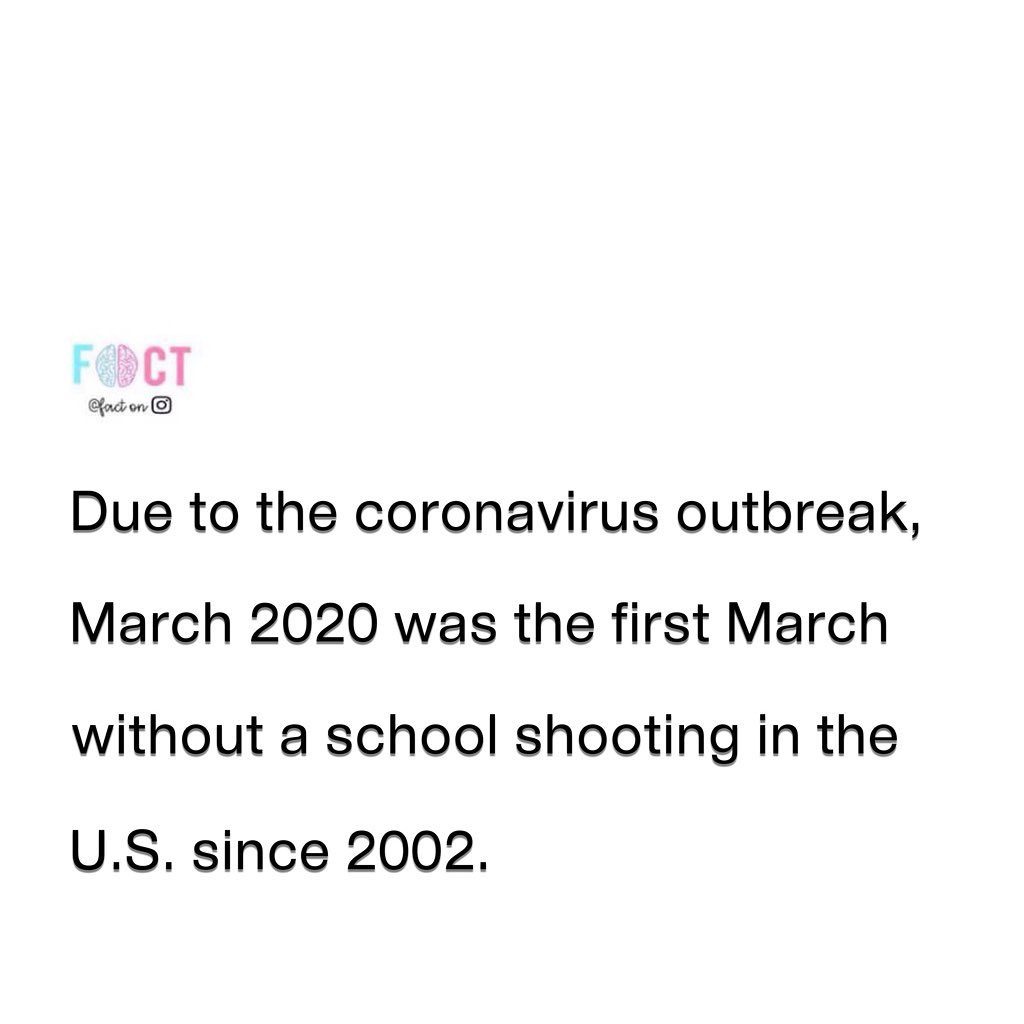
March 2020 marked a historic milestone in U.S. educational safety: it was the first March since 2002 without a single school shooting. This striking statistic is directly linked to the widespread impact of the coronavirus outbreak, which led to unprecedented school closures and lockdowns across the country.
Context: The Intersection of Public Health and School Safety
The COVID-19 Pandemic and School Closures
The coronavirus pandemic, declared by the World Health Organization (WHO) in March 2020, triggered massive disruptions worldwide. Schools in the U.S. were no exception, with many transitioning to remote learning overnight. This shift aimed to curb the virus's spread and protect both students and educators.
School Shootings: A Persistent Issue
School shootings have been a grim reality in the U.S. for decades. According to data from the K-12 School Shooting Database, there were at least one school shooting per month for 185 consecutive months from 2002 to March 2020. This trend underscores the urgent need for effective preventive measures and safety protocols.
The absence of school shootings during March 2020 highlights the profound impact of the pandemic on school safety. This period offers valuable insights into the factors that contribute to school shootings and how they might be mitigated in the future.
Main Discussion
The Role of School Closures
School closures due to the pandemic effectively reduced access to schools, making it physically impossible for shootings to occur on campus. This abrupt halt in school shootings suggests that limiting access to schools can significantly decrease the risk of such incidents.
The Impact of Remote Learning
Remote learning, while challenging for many students and educators, also played a role in preventing school shootings. With students learning from home, the dynamics that often lead to school violence were disrupted. The pandemic forced a reevaluation of how education is delivered and how safety measures can be adapted to new learning environments.
The Connection Between Mental Health and School Shootings
The pandemic has also shed light on the mental health crisis among students. The isolation, stress, and anxiety brought on by the pandemic have exacerbated existing mental health issues, which are often linked to school violence. Addressing these concerns proactively could help prevent future incidents.
Additionally, the pandemic forced schools to reevaluate their mental health resources and support systems. Many institutions implemented tele-health services and enhanced counseling programs to support students during this challenging time.
The Societal Factors
The pandemic acted as a catalyst for societal changes that may have indirectly contributed to the pause in school shootings. For instance, increased community engagement and support for vulnerable populations, along with heightened awareness of gun violence and mental health, could have played a role. However, it's crucial to acknowledge that these factors are complex and multifaceted, and their effects are not easily isolatable.
Practical Tips
Enhancing School Safety Protocols
Schools can use this period of relative safety to strengthen their security measures. This includes:
-
Improved Access Control: Implementing stricter access controls, such as ID checks and visitor management systems, can help prevent unauthorized individuals from entering school premises.
-
Mental Health Support: Enhancing mental health services and support programs can help identify and address potential issues before they escalate.
-
Community Engagement: Building stronger ties with local law enforcement, mental health professionals, and community organizations can foster a collaborative approach to safety.
Leveraging Technology
Innovative technologies, such as AI-driven threat detection and real-time monitoring systems, can provide an additional layer of security. Schools can also use data analytics to identify patterns and predict potential threats, enabling proactive intervention.
Promoting Positive School Culture
Fostering a positive and inclusive school environment can significantly reduce the risk of violence. This involves promoting open communication, encouraging student participation, and implementing anti-bullying programs.
Important Takeaways
The pause in school shootings during March 2020 provides valuable insights into the multifaceted nature of school safety. While school closures and remote learning played a crucial role, the complex interplay of mental health, societal factors, and enhanced safety protocols must also be considered. Encouragingly, there are practical steps that schools and communities can take to enhance safety and well-being in the long term.
Conclusion
The absence of school shootings during March 2020 due to the coronavirus outbreak underscores the profound impact of the pandemic on educational safety. This period offers a unique opportunity to reevaluate and strengthen school safety measures. By leveraging the lessons learned from this unprecedented time, schools can create safer, more supportive environments for students and educators alike. The pandemic, while challenging, has provided a blueprint for enhancing safety and addressing the underlying issues that contribute to school violence.
Watch the Reel
Questions readers ask
Why was March 2020 significant in terms of school shootings?
March 2020 was significant because it was the first time in 20 years that no school shootings occurred in the U.S. during that month. This was largely due to the widespread school closures implemented in response to the COVID-19 pandemic.
How did the COVID-19 pandemic affect school shootings in the U.S.?
The COVID-19 pandemic led to extensive school closures, which resulted in a temporary halt in school shootings. With schools transitioning to remote learning, the opportunities for such incidents were greatly reduced.
What preventive measures can be drawn from the impact of COVID-19 on school shootings?
The experience of March 2020 suggests that reducing access to school buildings and potential weapons, coupled with enhanced monitoring and support for students, could be effective in minimizing school violence. This could inform future safety strategies for schools.
How did the coronavirus pandemic influence the statistics of school shootings in 2020?
The pandemic led to a significant drop in school shootings, with March 2020 being the first since 2002 to have no reported incidents. This disruption in the usual trends highlights the impact of widespread school closures and remote learning on school safety.
What role did school closures play in the absence of school shootings during the pandemic?
School closures played a crucial role by eliminating the direct access to schools and reducing the chances for violent incidents. The shift to remote learning effectively separated students from the environments where such events typically occur.
What insights can be gained from the lack of school shootings in March 2020?
The absence of school shootings in March 2020 provides valuable insights into how changing the environment and access to schools can impact school violence. It suggests that continuous monitoring and supportive measures could be key to preventing such incidents in the future.
Were there any other factors beyond school closures that contributed to the decline in school shootings during the pandemic?
While school closures were the primary factor, other elements such as increased community awareness, enhanced remote monitoring, and support systems for students likely played a role. The overall disruption to daily routines and interactions also contributed to the decline in school violence.
Related deep dives
Similar reads based on topic and creator.


Recent articles
Fresh deep dives from the latest Reels we unpacked.




Comments
Be the first to comment.