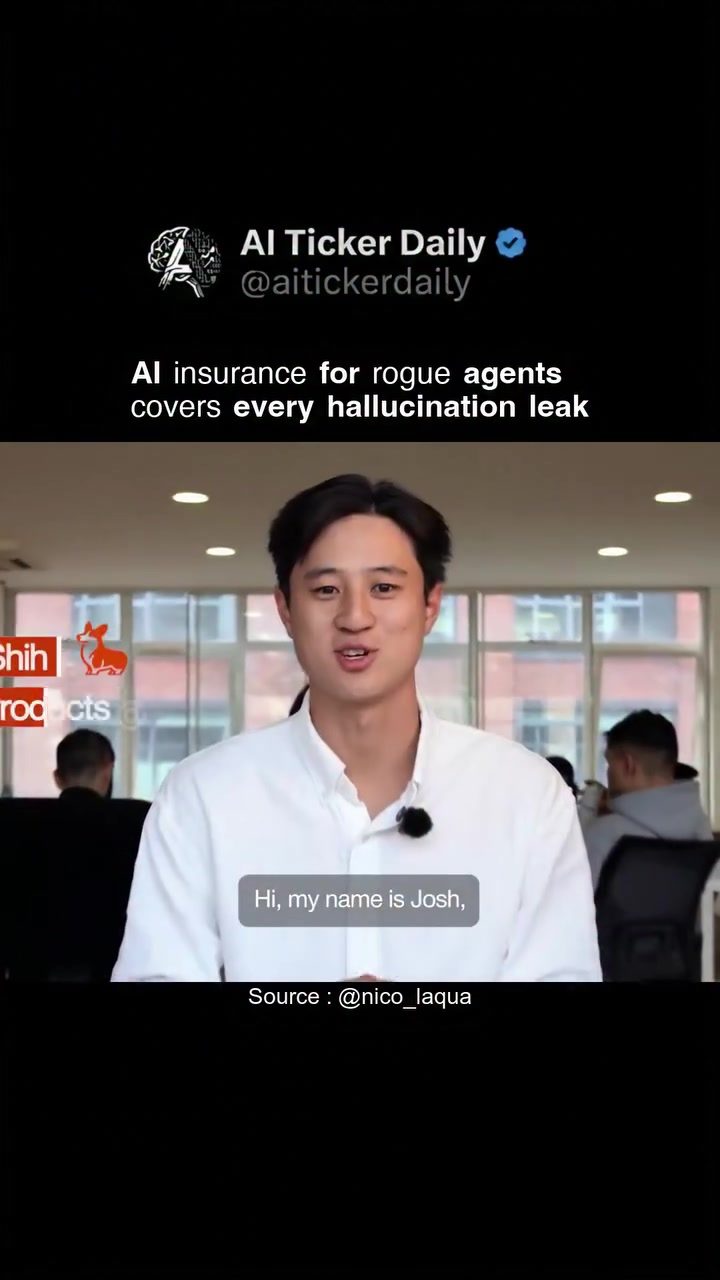
AI Insurance: Safeguarding Your Business from AI-Related Risks
As AI models become more integrated into business operations, the potential for AI-related risks increases. AI insurance is a new category of coverage designed to protect businesses from the unique challenges posed by AI. This type of insurance is crucial as AI agents increasingly handle sensitive tasks, from sending emails to moving money and shipping code into production.
Context / Why this Matters
AI agents are now making real decisions that can have significant financial and legal implications. Whether it's sending important emails, managing financial transactions, or deploying code, the stakes are high. When AI agents make mistakes, the consequences can be severe, including data breaches, financial losses, and legal liabilities.
Main Discussion
The Need for AI Insurance
AI insurance, such as the coverage offered by Corgi, is specifically designed to address the risks associated with AI operations. Traditional insurance policies may not cover the unique challenges posed by AI, leaving businesses vulnerable to significant losses. AI insurance fills this gap by providing coverage for scenarios where AI agents go wrong, such as leaking customer data or generating copyrighted content without permission.
What Does AI Insurance Cover?
AI insurance covers a range of risks, including:
- Data Breaches: AI agents sometimes leak sensitive customer data, either due to software bugs or malicious activities. Insurance can cover the financial and legal costs associated with data breaches.
- Financial Losses: AI agents managing financial transactions can make mistakes, leading to financial losses. AI insurance can help businesses recover from these losses.
- Legal Liabilities: AI-generated content can infringe on copyrights or other intellectual property rights. Insurance can cover legal defense costs and potential settlements.
The Role of Corgi in AI Insurance
Corgi is a platform that offers AI insurance, providing businesses with the coverage they need to protect against AI-related risks. The platform aims to ensure that businesses are not left vulnerable to the growing risks associated with AI operations. Corgi's AI Coverage is specifically designed to safeguard against "hallucination leaks," a term used to describe the unintended behaviors of AI agents that can lead to data breaches and other issues.
Practical Tips
When considering AI insurance, businesses should take the following steps:
- Assess Your Risks: Evaluate the extent to which your business relies on AI and identify potential risks. Consider the types of decisions your AI agents make and the potential impact of mistakes.
- Choose the Right Coverage: Select an insurance policy that covers the specific risks associated with your AI operations. Look for policies that cover data breaches, financial losses, and legal liabilities.
- Review Policy Details: Carefully read the policy details to understand what is covered and what is not. Pay attention to exclusions and limitations.
- Regularly Update Coverage: As your AI operations evolve, so will your insurance needs. Regularly review and update your coverage to ensure it aligns with your current risks.
Important Takeaways
- AI Insurance is Essential: With the increasing use of AI in business operations, AI insurance is becoming a necessity. Traditional insurance policies may not cover the unique risks posed by AI.
- Cover Specific Risks: AI insurance covers specific risks such as data breaches, financial losses, and legal liabilities. It is crucial to choose a policy that addresses these risks.
- Stay Protected with Corgi: Corgi offers AI Coverage designed to safeguard against "hallucination leaks" and other AI-related risks. Businesses can visit Corgi's website to get covered today.
Conclusion
As AI becomes more integrated into business operations, the need for specialized insurance coverage becomes increasingly important. AI insurance, such as the coverage offered by Corgi, provides businesses with the protection they need to safeguard against the unique risks posed by AI. By understanding the importance of AI insurance and choosing the right coverage, businesses can mitigate the risks associated with AI operations and ensure their long-term success.
Watch the Reel
Questions readers ask
What types of incidents does AI insurance typically cover?
AI insurance generally covers a range of incidents including data breaches, financial losses due to AI errors, and legal liabilities that arise from AI decision-making processes. It is designed to protect businesses from the unique risks associated with AI operations, such as unauthorized data access, financial missteps, and legal repercussions.
How does AI insurance help with risk mitigation?
AI insurance helps mitigate risks by providing financial protection against potential losses from AI-related incidents. This allows businesses to focus on their core operations without the constant worry of financial or legal consequences from AI errors. It also encourages responsible AI development and deployment by ensuring that there are safeguards in place.
Is AI insurance necessary for small businesses?
Yes, AI insurance is beneficial for small businesses as well as large enterprises. Small businesses often have limited resources to recover from significant financial or legal setbacks. AI insurance can provide a safety net, ensuring that any losses incurred due to AI failures do not cripple the business operations or finances.
What kinds of AI operations does AI insurance typically cover?
AI insurance typically covers a wide range of AI operations, including but not limited to, AI-driven decision-making processes, automated financial transactions, code deployment, and data management. It ensures that any mishaps in these areas are financially and legally managed, providing businesses with a comprehensive safety net.
Can AI insurance protect against AI-driven cybersecurity threats?
Yes, AI insurance can indeed protect against AI-driven cybersecurity threats. This includes data breaches and unauthorized access to sensitive information. AI insurance policies often include coverage for cyber incidents, ensuring that businesses are protected from potential financial and legal repercussions resulting from these cybersecurity risks.
How does AI insurance address legal liabilities arising from AI decisions?
AI insurance addresses legal liabilities by covering the costs associated with defending against lawsuits and paying settlements or judgments. This includes cases where AI agents make decisions that result in harm to individuals or other businesses. The insurance ensures that businesses can handle these legal challenges without facing overwhelming financial burdens.
What should businesses look for in an AI insurance policy?
When selecting an AI insurance policy, businesses should look for comprehensive coverage that includes protection against data breaches, financial losses, and legal liabilities. It's also important to ensure that the policy covers a wide range of AI operations and provides robust risk mitigation strategies. Additionally, businesses should consider the reputation and reliability of the insurance provider.
Related deep dives
Similar reads based on topic and creator.




Recent articles
Fresh deep dives from the latest Reels we unpacked.




Comments
Be the first to comment.