Copper Water Vessels: A Timeless Solution for Wellness
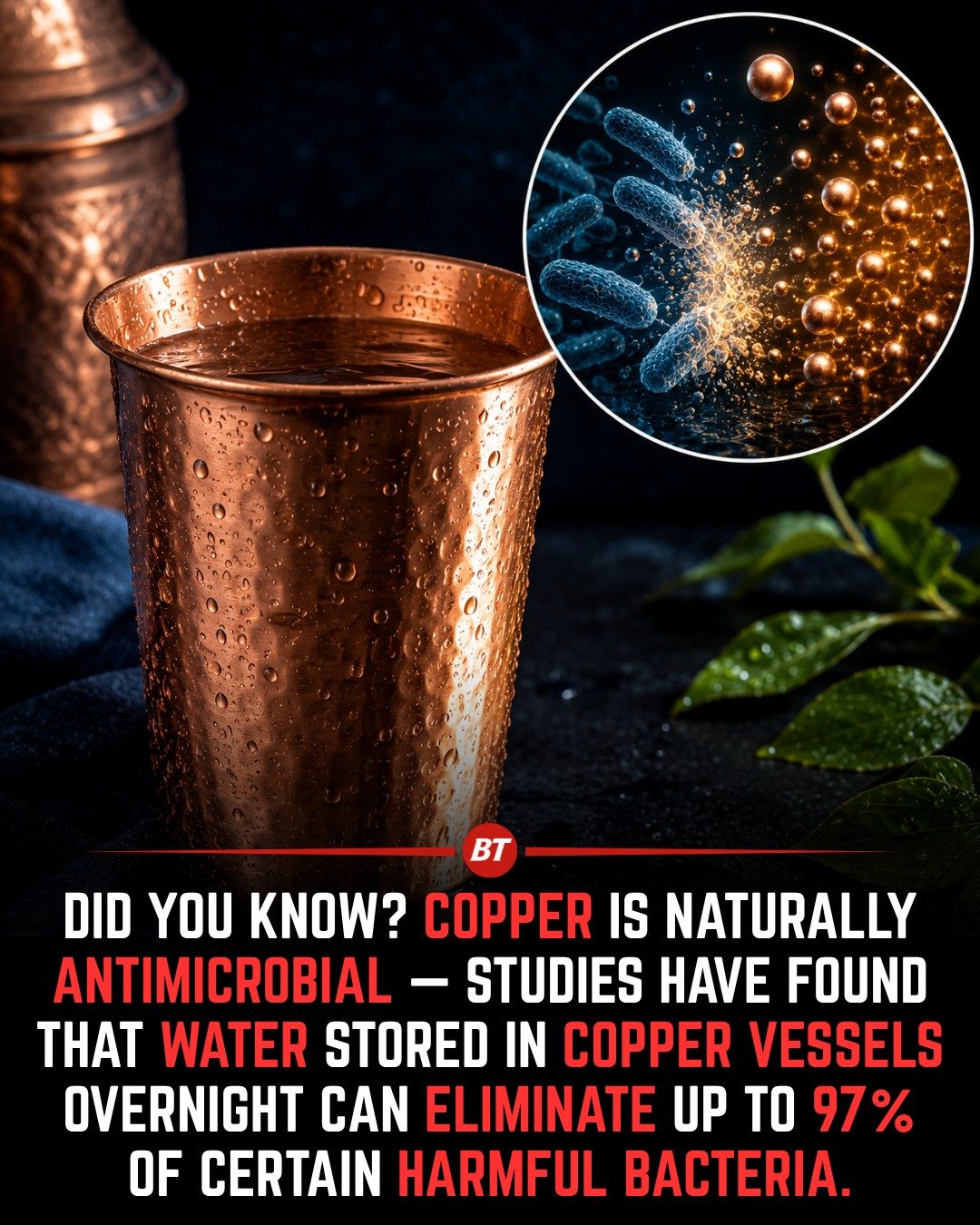
Historically, many cultures used copper vessels to store drinking water. While modern water purification systems are prevalent, the benefits of using copper vessels for water storage remain compelling. Copper's natural antimicrobial properties can damage or destroy certain bacteria, viruses, and other microorganisms. The water stored in copper vessels overnight can reduce harmful bacteria by up to 97%.
Why This Matters
The antimicrobial properties of copper have been utilized for centuries, and modern science has validated this ancient practice. Copper ions interfere with the cell membranes, proteins, and genetic material of microbes, making it difficult for them to survive. This phenomenon, known as the oligodynamic effect, is a well-documented property of metals like copper and silver. Storing water in copper vessels isn't just an archaic tradition; it's a practical and scientifically-backed method for water purification.
Benefits of Copper Water Vessels
Antimicrobial Properties
Copper's antimicrobial properties are one of the primary reasons it was used for water storage in ancient times. When microbes come into contact with a copper surface, the copper ions release and interfere with the microorganism’s structure. This process can kill or inhibit the growth of harmful bacteria and viruses. Studies demonstrate that storing water in copper containers overnight can significantly reduce populations of certain bacteria commonly found in contaminated water.
Essential Trace Mineral
Beyond its antimicrobial benefits, copper is also an essential trace mineral. It plays crucial roles in various bodily functions, including energy production, iron metabolism, connective tissue formation, and nervous system function. While only tiny amounts are needed, having a reliable and natural source of copper ensures that these requirements are met.
The Role of the Oligodynamic Effect
The oligodynamic effect is the ability of certain metals, such as copper and silver, to inhibit the growth of harmful microorganisms. When water is stored in a copper vessel, the copper ions released can destroy or damage harmful bacteria and viruses. This process has been observed to reduce bacterial populations by up to 97% in water stored overnight. The ability of copper to disrupt the cell membranes, proteins, and genetic material of microorganisms makes it a potent natural antimicrobial agent.
Practical Uses
Copper Water Vessels
Copper water vessels, such as jugs and pots, are designed to store water and enhance its purity. The antimicrobial properties of copper ensure that the water remains safe for consumption. These vessels come in various sizes and designs, making them suitable for both indoor and outdoor use.
Copper Water Bottles
For those who are always on the go, copper water bottles are an excellent option. These bottles are portable and convenient, allowing you to carry purified water wherever you go. They retain all the benefits of copper water vessels, ensuring that the water remains free from harmful bacteria and viruses.
How to Use a Copper Water Vessel
To benefit from the antimicrobial properties of copper, follow these simple steps:
- Choose a Food-Grade Copper Vessel: Ensure that the vessel is made of food-grade copper to avoid any harmful contaminants.
- Store Water Overnight: Fill the vessel with clean drinking water and store it overnight. This allows the copper ions to interact with any bacteria or viruses present in the water.
- Clean Regularly: Clean the copper vessel regularly to maintain its antimicrobial properties. Avoid using harsh chemicals or abrasives that can damage the vessel’s surface.
- Avoid Acidic Beverages: To prevent increased copper leaching, avoid storing acidic beverages such as lemon juice in the copper vessel.
Practical Tips
Cleaning Your Copper Vessel
Regularly cleaning your copper vessel ensures that it remains effective and safe to use. Here are some tips for cleaning:
- Use Mild Detergent: Clean the vessel with mild detergent and warm water.
- Avoid Harsh Chemicals: Avoid using abrasive cleaners or scrubbers that can damage the copper surface.
- Rinse Thoroughly: Rinse the vessel thoroughly to remove any residue.
Storing Water in Copper Vessels
To maximize the benefits of copper, store water in the vessel overnight. This allows the copper ions to effectively interact with any harmful microorganisms.
Important Takeaways
Copper water vessels offer a natural and effective way to purify water. Their antimicrobial properties, backed by scientific research, make them a reliable choice for those seeking a natural approach to water purification. Beyond their water-purifying benefits, copper vessels also provide an essential trace mineral, making them a valuable addition to any wellness routine.
Conclusion
Copper water vessels are an ancient solution to a timeless problem — the need for clean, safe water. Their antimicrobial properties, backed by the oligodynamic effect, make them an effective and natural water purification method. By incorporating a copper water vessel into your daily routine, you can enjoy the benefits of clean, purified water and the essential trace mineral copper.
Watch the Reel
Questions readers ask
How do copper water vessels help to reduce harmful bacteria in water?
Copper water vessels use the natural antimicrobial properties of copper to combat harmful bacteria. When water is stored in copper vessels, copper ions are released into the water, which interfere with the cell membranes, proteins, and genetic material of the bacteria, making it difficult for them to survive. This process, known as the oligodynamic effect, can reduce harmful bacteria by up to 97% overnight.
What are the benefits of storing water in copper vessels?
Storing water in copper vessels offers several benefits, including the reduction of harmful bacteria and the infusion of essential trace minerals into the water. Copper's antimicrobial properties help to purify the water naturally, while the trace minerals that copper imparts can contribute to overall well-being. Additionally, copper vessels are easy to maintain and do not require electricity or complex systems to function.
How long does water need to be stored in a copper vessel to see bacterial reduction benefits?
Water should be stored in a copper vessel for at least 8 hours, or preferably overnight, to see significant reductions in harmful bacteria. During this time, the copper vessel releases sufficient copper ions into the water to inhibit the growth and survival of bacteria, taking advantage of the natural antimicrobial properties of copper.
Can storing water in copper vessels replace other water purification methods?
While storing water in copper vessels can significantly reduce harmful bacteria, it may not completely replace other water purification methods, especially in cases where water is heavily contaminated with chemicals or other pollutants. Copper vessels are best used as a complementary method to enhance water quality, rather than the sole method for purification.
Are there any specific types of bacteria that copper is effective against?
Copper is effective against a wide range of harmful bacteria, including E. coli, Salmonella, and Pseudomonas. The antimicrobial properties of copper can damage or destroy these bacteria by interfering with their cellular processes. However, the effectiveness can vary depending on the specific type of bacteria and the concentration of copper ions in the water.
Can copper vessels be used to store any type of liquid?
Copper vessels are primarily designed for storing water and should not be used for storing acidic or highly alkaline liquids. Additionally, it is generally recommended to avoid storing beverages like tea, coffee, or orange juice in copper vessels. This is because copper can react with certain compounds in these liquids, leading to a metallic taste or potentially harmful reactions.
Related deep dives
Similar reads based on topic and creator.




Recent articles
Fresh deep dives from the latest Reels we unpacked.




Comments
Be the first to comment.