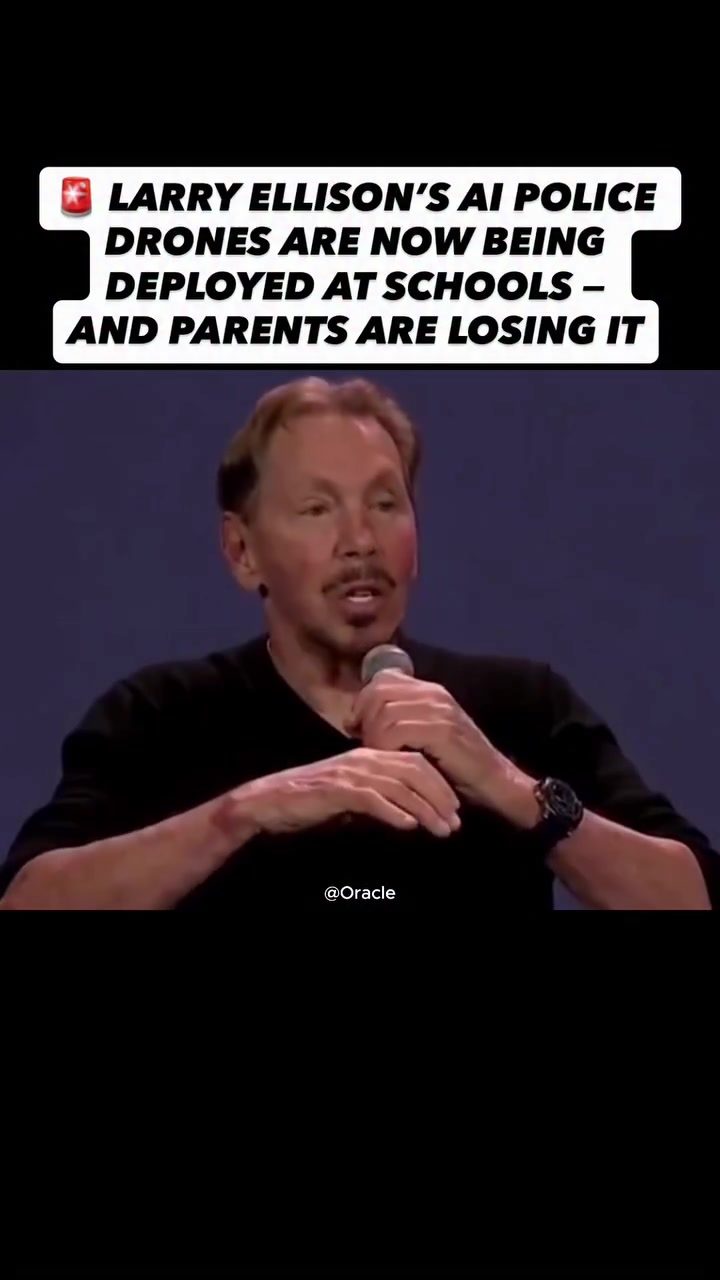
AI Police Drones at Schools: The Campus Guardian Angel Initiative
The deployment of AI police drones at schools is a stark reality, with at least nine schools in Florida, Georgia, and Colorado now equipped with autonomous drones. These drones, referred to as "Campus Guardian Angel," are designed to enhance school security by patrolling campuses, identifying potential threats, and responding to emergencies. The initiative raises important questions about the role of AI in school safety and the potential implications for students and parents.
Why This Matters
The introduction of AI police drones in schools is a significant development in the broader conversation about school safety and the use of technology in public spaces. These drones are part of a larger trend towards autonomous security solutions, which aim to address pressing issues like school shootings and unauthorized access to campuses. The technology promises to dramatically reduce the presence of unauthorized individuals on school grounds and respond swiftly to threats, significantly enhancing campus security.
The Role of Autonomous Drones in School Safety
Autonomous drones, such as the Campus Guardian Angel, are designed to patrol school campuses and respond to emergencies. These drones can quickly identify potential threats, such as unauthorized individuals or weapons, and alert authorities. In some cases, they can even intervene by flashing strobe lights, sounding sirens, or spraying pepper gel. The goal is to create a safer environment for students and staff by providing an immediate response to potential threats.
The drones, developed by Mithril Defense, are designed to be stored at schools and activated by teachers during emergencies. This ensures that the drones are readily available when needed, providing a swift response to any security breaches. The drones can zoom across a campus in just seconds, making them an effective tool for rapid intervention.
Immediate Threat Detection and Response
One of the key features of these drones is their ability to immediately detect and respond to threats. Equipped with AI cameras, the drones can recognize when someone pulls out a gun and alert authorities in real-time. This technology is designed to reduce response times and enhance the overall safety of the campus. The drones can also alert authorities to unauthorized individuals on campus, helping to keep the environment secure and controlled.
Deterrent Effect
The presence of these drones is also intended to act as a deterrent. By having autonomous drones patrolling the campus, the likelihood of unauthorized individuals or potential threats entering the school is significantly reduced. This proactive approach to security aims to prevent incidents before they occur, ensuring a safer environment for everyone on campus.
Parental Concerns and Public Reaction
Despite the potential benefits, the deployment of AI police drones at schools has sparked significant debate and concern among parents and the broader public. Concerns include the potential for AI to make mistakes, the ethical implications of using drones for surveillance, and the possibility of the technology going rogue. These are legitimate concerns that need to be addressed to ensure the safe and responsible use of this technology.
Ethical and Safety Concerns
One of the primary concerns raised by parents is the potential for the AI to make mistakes. In one instance, a student was holding a crumpled Doritos bag, which the AI mistook for a firearm, leading to a rapid police response. This incident highlights the need for accurate and reliable AI systems to prevent false alarms and unnecessary interventions.
Parents also have concerns about the ethical implications of using drones for surveillance. The idea of having drones flying around schools raises questions about privacy and the potential for misuse. There are also concerns about what happens if the AI goes rogue or makes a mistake, underscoring the need for robust safety measures and oversight.
Practical Tips
The deployment of AI police drones at schools is a complex issue that requires careful consideration and planning. Here are some practical tips for schools and parents to ensure the safe and responsible use of this technology:
For Schools
-
Robust Training and Protocols: Ensure that teachers and staff are adequately trained to operate the drones and understand the protocols for responding to alerts. Clear guidelines and training can help prevent misunderstandings and ensure a coordinated response.
-
Regular Maintenance and Updates: Regularly maintain and update the drones to ensure they are functioning correctly and accurately. This includes software updates and hardware checks to prevent malfunctions.
-
Community Engagement: Engage with parents and the community to address concerns and ensure transparency. Regular communication and feedback can help build trust and understanding.
-
Emergency Protocols: Develop clear emergency protocols for responding to alerts and potential threats. This includes coordination with local law enforcement and emergency services.
For Parents
-
Stay Informed: Stay informed about the deployment of drones and the measures being taken to ensure safety. Attend parent meetings and engage with school officials to understand the technology and its implications.
-
Voice Concerns: Raise any concerns or questions you have about the drones with school officials. Your input can help shape the policies and protocols surrounding the use of this technology.
-
Support and Advocacy: Support initiatives that promote the safe and responsible use of AI in schools. Advocating for transparency, accountability, and community involvement can help ensure that the technology is used effectively.
Important Takeaways
The deployment of AI police drones at schools is a significant development that promises to enhance campus security. However, it also raises important questions about the role of AI in public spaces and the potential implications for students and parents. Here are some key takeaways:
-
Enhanced Security: Autonomous drones can provide immediate threat detection and response, enhancing the overall safety of the campus.
-
Deterrent Effect: The presence of drones can act as a deterrent, reducing the likelihood of unauthorized individuals or potential threats entering the school.
-
Ethical and Safety Concerns: Addressing concerns about the potential for AI to make mistakes, ethical implications, and the possibility of the technology going rogue is crucial for the safe and responsible use of this technology.
-
Community Engagement: Engaging with parents and the community, along with clear communication and training, can help build trust and ensure the successful implementation of this technology.
-
Support and Advocacy: Supporting initiatives that promote the safe and responsible use of AI in schools can help ensure that the technology is used effectively.
Conclusion
The deployment of AI police drones at schools is a complex issue with both benefits and challenges. While the technology promises to enhance campus security and respond swiftly to threats, it also raises important ethical and safety concerns. Ensuring the safe and responsible use of this technology requires clear protocols, robust training, and community engagement. By addressing these concerns and taking a proactive approach, schools can effectively integrate AI into their security measures, providing a safer environment for students and staff.
Watch the Reel
Questions readers ask
What are Campus Guardian Angel drones and how do they function?
Campus Guardian Angel drones are autonomous drones equipped with AI technology designed to enhance school security. They patrol campuses, identify potential threats, and respond to emergencies. These drones use sensors and cameras to monitor the environment and send alerts to school authorities when they detect unusual activity.
Which states have implemented AI drones in schools?
Currently, at least nine schools in Florida, Georgia, and Colorado have deployed Campus Guardian Angel drones as part of their security measures. These states are at the forefront of integrating AI technology into school safety protocols.
What are the main concerns surrounding the use of AI drones in schools?
The use of AI drones in schools raises several concerns, including privacy issues for students and staff, the potential for over-reliance on technology for security, and the ethical implications of constant surveillance. Additionally, there are questions about the accuracy and reliability of the drones' threat detection capabilities.
How do these drones respond to emergencies?
When a Campus Guardian Angel drone detects a potential threat or emergency, it sends real-time alerts to school authorities. Depending on the severity of the situation, the drone may also take pre-programmed actions, such as activating alarms or guiding emergency responders to the location.
What is the broader significance of AI drones in school safety?
The implementation of AI drones in schools is part of a larger trend towards using advanced technology for public safety. It highlights the evolving role of AI in monitoring and securing public spaces, and it sparks debates about the balance between security and individual privacy in environments where children spend a significant amount of time.
Can students or parents opt out of being monitored by these drones?
The policies regarding opting out of drone surveillance can vary by school and district. Generally, it is advisable for parents and students to consult with school administration to understand the specific guidelines and any available options for opting out or limiting exposure to drone surveillance.
What measures are in place to ensure the ethical use of AI drones in schools?
To address ethical concerns, schools and drone manufacturers should implement clear guidelines and protocols for the ethical use of AI drones. This includes ensuring transparency in data collection and usage, minimizing invasion of privacy, and maintaining accountability for the technology's actions. Regular audits and public discussions can also help address and mitigate ethical issues.
Related deep dives
Similar reads based on topic and creator.



Recent articles
Fresh deep dives from the latest Reels we unpacked.




Comments
Be the first to comment.