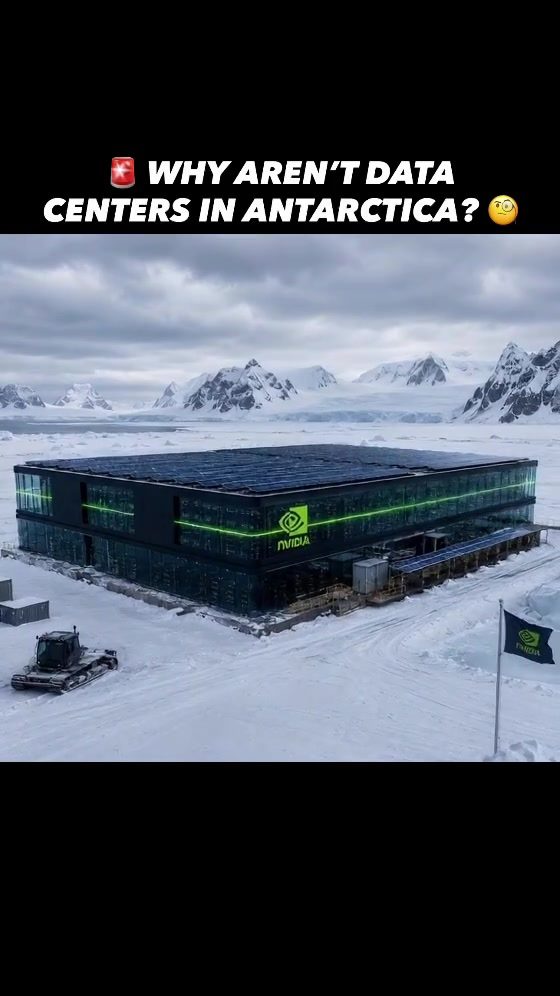
Data Centers in Antarctica
Data centers are the backbone of the digital world, housing servers that store and process vast amounts of data. But have you ever wondered why these critical facilities aren't located in Antarctica? The idea of data centers in such an extreme environment might seem far-fetched, but there are valid reasons to consider it.
Why This Matters
The consideration of data centers in Antarctica touches on several critical factors in modern technology and sustainability. It raises questions about energy efficiency, environmental impact, and the technological capabilities required to maintain data centers in harsh conditions. Understanding these factors can provide insight into the future of data center locations and the potential environmental benefits or challenges they present.
Main Discussion
Climate and Cooling
One of the primary reasons to consider data centers in Antarctica is the natural cooling provided by the cold climate. Data centers generate a significant amount of heat, and cooling systems are essential to keep servers operating efficiently. In Antarctica, the frigid temperatures could reduce the need for energy-intensive cooling systems, potentially leading to substantial energy savings.
However, the extreme cold also presents unique challenges. Data centers require precise temperature controls to function optimally, and maintaining such controls in Antarctica would be a significant engineering feat. Additionally, the infrastructure needed to support a data center in such a remote and harsh environment would be considerable.
Energy Sources
Another key factor is the availability of energy sources. Traditional data centers rely heavily on fossil fuels, contributing to carbon emissions. Antarctica, however, is free from industrial pollution and has untapped renewable energy sources like wind and solar power. Harnessing these renewable resources could make data centers in Antarctica more sustainable and environmentally friendly.
Nevertheless, the logistics of transporting and maintaining renewable energy infrastructure in Antarctica would be complex and costly. The harsh environment and remote location would require innovative solutions to ensure a reliable power supply.
Infrastructure and Logistics
Building and maintaining data centers in Antarctica would involve significant logistical challenges. The transport of construction materials, equipment, and personnel would be difficult and costly. Additionally, the remote location would make maintenance and repairs challenging, requiring specialized teams and equipment.
Environmental Impact
One of the most compelling arguments for data centers in Antarctica is the potential reduction in environmental impact. By utilizing renewable energy sources and natural cooling, data centers in Antarctica could significantly reduce their carbon footprint compared to traditional data centers. This could contribute to global efforts to mitigate climate change and promote sustainability.
However, the construction and operation of data centers in Antarctica would also have environmental impacts. The disturbance of the pristine Antarctic landscape and potential contamination from leaks and waste would need to be carefully managed to minimize environmental harm.
NVIDIA's Role in Technology
NVIDIA, a leading technology company, is known for its innovative approaches to data centers and sustainability. While the visuals show NVIDIA's logo on a data center building in Antarctica, this is likely a hypothetical scenario highlighting the potential for advanced technology and innovation in extreme environments. NVIDIA's expertise in high-performance computing and artificial intelligence could play a crucial role in overcoming the challenges of operating data centers in Antarctica.
Practical Tips
If you're considering the feasibility of data centers in extreme environments like Antarctica, here are some practical tips:
-
Conduct Thorough Feasibility Studies: Assess the technical, logistical, and environmental challenges before proceeding with any plans. Engage experts in renewable energy, infrastructure, and environmental science to evaluate the viability of the project.
-
Invest in Renewable Energy: Explore the use of wind and solar power to reduce the carbon footprint of data centers. Investing in advanced renewable energy technologies can make data centers more sustainable.
-
Develop Advanced Cooling Systems: Utilize the natural cooling provided by the environment while developing advanced cooling systems to maintain optimal server temperatures. This can lead to significant energy savings.
-
Plan for Logistical Challenges: Prepare for the logistical challenges associated with transporting materials and personnel to remote locations. Develop contingency plans for maintenance and repairs.
-
Minimize Environmental Impact: Implement strict environmental protocols to minimize the impact on the pristine Antarctic landscape. Ensure that waste management and potential contamination are adequately addressed.
Important Takeaways
Data centers in Antarctica present a unique and intriguing possibility. The natural cooling and potential for renewable energy make it an attractive option for sustainable data center operations. However, the extreme environment and logistical challenges must be carefully considered. Companies like NVIDIA, with their expertise in technology and sustainability, could play a pivotal role in making this idea a reality.
Conclusion
The idea of data centers in Antarctica opens up a fascinating exploration of the future of data center locations and sustainability. While the challenges are significant, the potential benefits in terms of energy efficiency and environmental impact are compelling. By leveraging renewable energy sources, advanced cooling systems, and innovative technology, it might be possible to overcome the logistical and environmental hurdles associated with data centers in such an extreme environment.
Watch the Reel
Questions readers ask
Why is Antarctica being considered for data centers?
Antarctica's extreme cold can significantly reduce the energy demands for cooling systems in data centers, leading to potential savings in operational costs and a smaller carbon footprint. The remote nature of the continent also provides an additional layer of security and privacy for data storage facilities.
What are the primary challenges of building data centers in Antarctica?
The construction and maintenance of data centers in Antarctica pose unique challenges, including harsh weather conditions, limited infrastructure, and logistical difficulties. Additionally, ensuring reliable power supply and data connectivity in such a remote location can be demanding.
How does the cold climate of Antarctica benefit data centers?
The natural cold in Antarctica can be harnessed to cool data center servers, reducing the need for traditional energy-intensive cooling systems. This can lead to significant energy savings and a more eco-friendly operation, although the extreme cold also requires careful considerations for equipment and personnel.
What technological advancements are needed for data centers in Antarctica?
Establishing data centers in Antarctica would require advancements in cold-resistant technology, robust power solutions, and secure communication systems to ensure reliable data transmission and processing. Innovations in renewable energy sources would also be beneficial to reduce the environmental impact.
How does the environmental impact of data centers in Antarctica compare to traditional locations?
While the environmental impact of data centers in Antarctica is yet to be comprehensively studied, the potential reduction in energy consumption for cooling due to the natural cold could lead to lower greenhouse gas emissions. However, the construction and maintenance activities must be carefully managed to minimize any adverse effects on the fragile Antarctic ecosystem.
What are the benefits of polar data centers beyond energy efficiency?
Polar data centers offer enhanced data security and privacy due to their remote locations, which can deter physical threats. Additionally, the stable and predictable environment in terms of temperature and seismicity can contribute to the longevity and reliability of the infrastructure.
Related deep dives
Similar reads based on topic and creator.




Recent articles
Fresh deep dives from the latest Reels we unpacked.




Comments
Be the first to comment.