Sustainable Agriculture in Japan
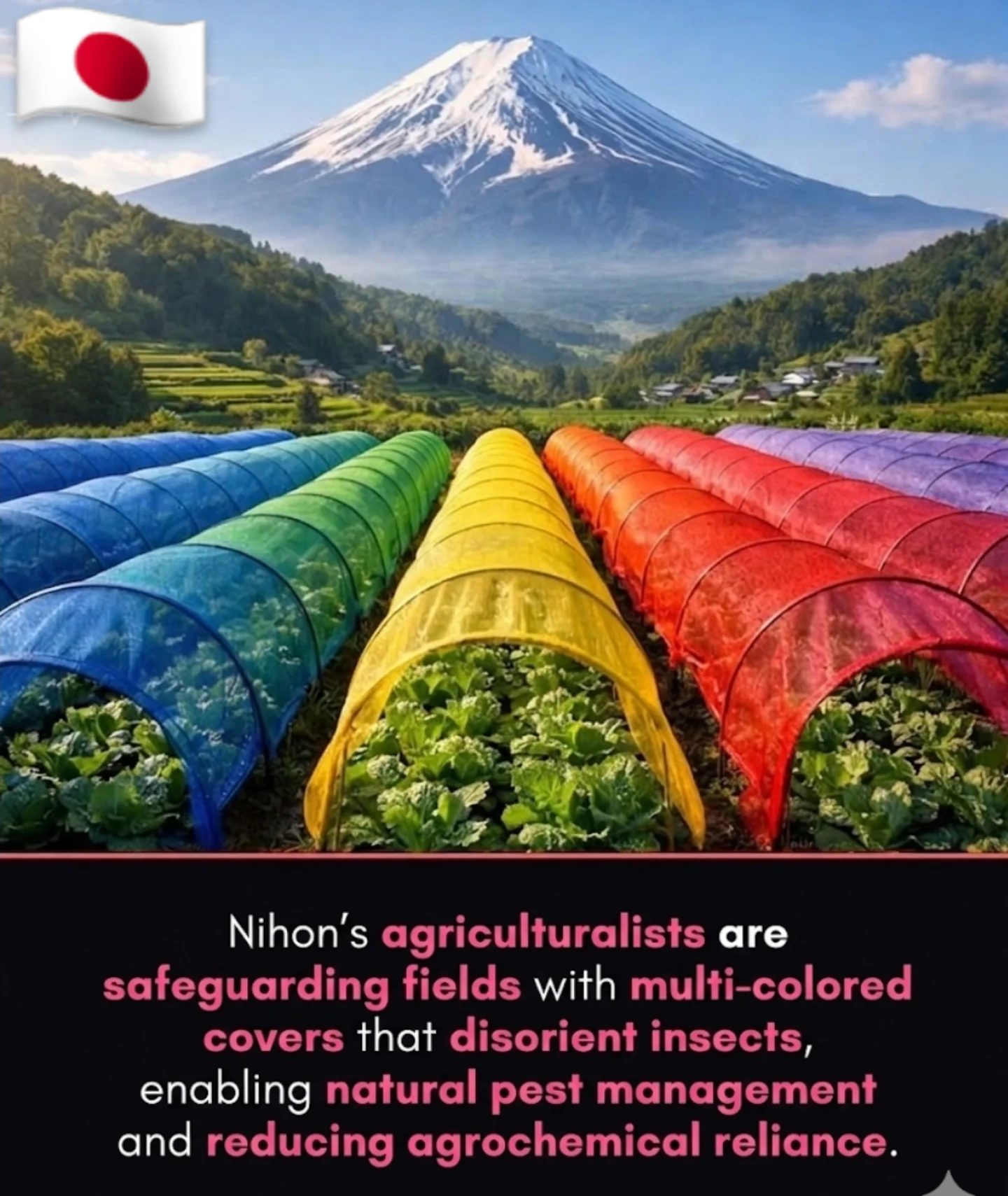
Agriculturalists in Japan are employing innovative techniques to safeguard their fields. Specifically, they are using multi-colored covers and agricultural tunnels to manage pests. These methods not only protect crops but also reduce the dependency on agrochemicals.
Why This Matters
Japan's agricultural sector faces significant challenges from pests, which can devastate crops and threaten food security. Traditional pest management often relies on chemical pesticides, which, while effective, can have damaging side effects on the environment and human health. By adopting innovative pest management techniques, Japanese farmers are not only protecting their crops but also contributing to a healthier ecosystem and promoting sustainable farming practices.
Multi-Colored Covers and Agricultural Tunnels
The Role of Colors
The use of multi-colored covers in agricultural fields is a standout feature of this innovative technique. Specifically, vibrant nets in shades of red, yellow, and green are strategically deployed over crops. These colors are chosen for their ability to reflect specific wavelengths of light, which effectively disorient insects. The insects' visual navigation and behavioral patterns are disrupted, preventing them from settling on the crops.
Disorienting Insects
The primary goal of these colored covers is to create an environment that confuses insects. The specific wavelengths of light reflected by the vibrant nets interfere with the insects' ability to navigate and locate their targets. This disruption is crucial because it reduces the need for chemical pesticides. By making it difficult for insects to find and infest the crops, these covers provide a natural form of pest management.
Reducing Agrochemical Dependence
One of the most significant benefits of this technique is the reduction in the reliance on agrochemicals. Traditional farming methods often involve the extensive use of chemical pesticides, which can have long-term negative effects on the environment and human health. By utilizing these colored covers, farmers can significantly minimize the use of these chemicals. This shift towards natural pest management not only helps in maintaining high crop yields but also ensures the sustainability of local ecosystems.
Practical Tips for Implementing Colored Covers
Choosing the Right Colors
When implementing this technique, it is essential to choose the right colors for the covers. Research indicates that specific wavelengths of light reflected by the colors red, yellow, and green are particularly effective in disorienting insects. By using these colors, farmers can create an environment that is less hospitable to pests.
Covering Crops Strategically
The way in which the covers are deployed is also crucial. Farmers should ensure that the covers are strategically placed over the crops to maximize their effectiveness. This may involve covering specific areas of the field where pests are more likely to congregate or using a combination of colors to create a more complex visual landscape for the insects.
Important Takeaways
- Multi-colored covers and agricultural tunnels are effective in managing pests by disorienting them.
- The use of specific colors like red, yellow, and green is crucial in disrupting insects' visual navigation.
- This technique significantly reduces the need for chemical pesticides, promoting sustainable farming practices and preserving local ecosystems.
- Proper implementation involves choosing the right colors and strategically placing the covers over the crops.
Conclusion
In conclusion, Japanese agriculturalists are at the forefront of sustainable farming practices by using multi-colored covers and agricultural tunnels. This innovative technique not only protects crops but also reduces the reliance on agrochemicals, promoting a healthier ecosystem. By understanding and implementing these methods, farmers can contribute to a more sustainable future for agriculture.
Watch the Reel
Questions readers ask
How do multi-colored tunnels help in pest management?
Multi-colored tunnels disorient insects by disrupting their natural navigation systems, making it difficult for them to locate and infest crops. This physical barrier, combined with the visual confusion, reduces pest infestations and minimizes the need for chemical pesticides.
What are the benefits of using colorful covers in farming?
Colorful covers offer several benefits, including reduced dependence on agrochemicals, contributing to a healthier ecosystem. They also help to promote sustainable farming practices by providing a non-toxic method of pest control and improving overall crop health.
How do these innovative techniques contribute to sustainable farming in Japan?
These techniques contribute to sustainable farming by reducing the reliance on harmful agrochemicals, which can have negative impacts on the environment and human health. By using colorful tunnels and covers, farmers can manage pests effectively while promoting a healthier ecosystem.
What challenges do Japanese farmers face with traditional pest management?
Traditional pest management methods often rely heavily on chemical pesticides, which can lead to environmental degradation and health issues. These methods may also contribute to pest resistance over time, making them less effective in the long run.
Why are Japanese farmers adopting these innovative pest management techniques?
Japanese farmers are adopting these techniques to address significant pest challenges, safeguard food security, and minimize the environmental impact of farming. By using colorful tunnels and covers, farmers can protect their crops while promoting a more sustainable and eco-friendly approach to agriculture.
Can these colorful tunnels be used for all types of crops?
While colorful tunnels can be beneficial for a wide range of crops, their effectiveness can vary depending on the specific type of crop and the pests it attracts. Farmers often need to experiment with different colors and designs to find the most effective solution for their particular situation.
How do these tunnels and covers affect the overall health of the crops?
These tunnels and covers not only protect crops from pests but also create a more controlled environment, which can enhance overall crop health. By reducing pest infestations and minimizing exposure to harmful agrochemicals, these methods help to ensure healthier and more robust crops.
Related deep dives
Similar reads based on topic and creator.



Recent articles
Fresh deep dives from the latest Reels we unpacked.




Comments
Be the first to comment.