The Nuanced Reality of AI and Education
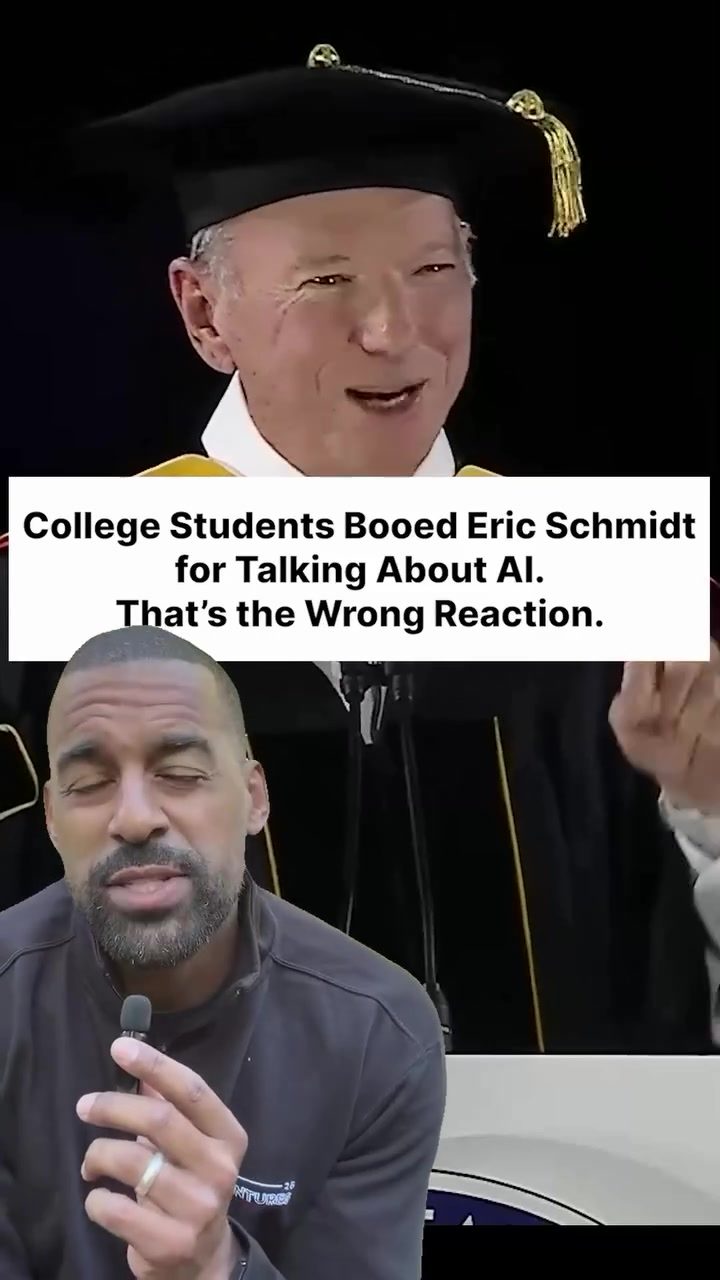
Eric Schmidt, former CEO of Google, found himself at the center of a storm when he was booed at a college graduation for discussing artificial intelligence (AI). This reaction, while dramatic, highlights deeper issues surrounding AI, education, and the job market. Let’s delve into the nuances of this situation and what it means for the future.
Context: Why this matters
AI is reshaping industries at an unprecedented pace, and the education system is grappling to keep up. The booing of Eric Schmidt at a graduation ceremony underscores a broader concern: the disconnect between what students are learning in college and the skills they need in the job market, particularly in the tech industry. This is a critical issue as AI continues to automate various roles, leading to significant job losses.
Understanding the Current Landscape
The Cost of College
College education is increasingly expensive, with students often graduating with substantial debt. The average student graduates with around $38,000 in debt, a burden that can take years to repay. This financial strain is exacerbated by the fact that only 29% of graduates receive meaningful AI training, leaving the majority ill-prepared for a job market heavily influenced by AI.
The Job Market Reality
The tech industry has seen massive layoffs in recent years, with over 275,000 jobs cut across major companies like Google, Microsoft, Amazon, Meta, Intel, and Tesla. These companies are leaning into AI to run leaner operations with fewer employees, making the job market even more competitive. This trend has led to a widespread sentiment among Americans that a college degree may not be worth the cost.
The Entrepreneurial Opportunity
Despite the challenges, there is a silver lining. The barrier to entrepreneurship has never been lower. The cost to build a product or a brand is essentially zero, thanks to the advent of digital tools and platforms. This presents a unique opportunity for graduates to shape their own futures by starting businesses.
The Entrepreneurial Mindset
Successful entrepreneurship requires more than just a great idea; it demands a specific mindset. You need a brain, an obsessive drive to succeed, a willingness to solve real problems, and the determination to build. This mindset is crucial in an era where traditional job paths are uncertain.
Building for the Future
The future of work is not about building billion-dollar exits but about creating sustainable, impactful businesses. This could be a two-person company generating millions in revenue, a niche brand built for a specific audience, or a product that solves a painful problem for an underserved market. The opportunities are vast and varied, and the key is to identify and capitalize on them.
Practical Tips for Aspiring Entrepreneurs
If you're considering entrepreneurship, here are some practical tips to get started:
Identify a Real Problem
Find a specific customer with a real problem that needs solving. This could be a niche market that larger companies have overlooked or a broader issue that affects a significant portion of the population.
Build and Iterate
Start building your product or service with a focus on solving the identified problem. Be prepared to iterate and improve based on feedback. The willingness to build and adapt is crucial for success.
Leverage Digital Tools
Use digital tools and platforms to minimize costs and maximize reach. The internet provides a wealth of resources and opportunities to build a brand and reach customers without breaking the bank.
Stay Curious and Agile
Maintain a curious mindset and stay agile. Be open to new ideas and adapt quickly to changes in the market. This agility is essential for navigating the ever-changing landscape of entrepreneurship.
Important Takeaways
The Future is Unwritten
The future is not predetermined; it is shaped by the actions and innovations of individuals. Eric Schmidt’s statement that the future is not yet finished is a powerful reminder that we have the power to influence our destiny.
Embrace Entrepreneurship
In the greatest era of entrepreneurship in human history, there is no better time to start a business. The cost to build a product or a brand is minimal, and the potential for success is immense.
Focus on Problem-Solving
Identify real problems and build solutions that address them. This approach not only creates value for customers but also builds a sustainable business model.
Conclusion
The booing of Eric Schmidt at a college graduation sheds light on the broader issues surrounding AI, education, and the job market. While the challenges are real, the opportunities for entrepreneurship are immense. By embracing a problem-solving mindset, leveraging digital tools, and staying agile, aspiring entrepreneurs can shape their own futures and contribute to the ever-evolving landscape of technology and business. So, build now, be curious, and break the mold—your future is in your hands.
Watch the Reel
Questions readers ask
Why did college students boo Eric Schmidt during a graduation ceremony?
Students booed Eric Schmidt, former CEO of Google, during a graduation ceremony due to frustrations surrounding the lack of AI integration in traditional college curricula. Many students feel unprepared for the job market, which is increasingly demanding AI skills, and this led to a tension-filled moment at the ceremony.
How is AI impacting the job market for recent college graduates?
AI is significantly transforming the job market, with many roles requiring AI-related skills that traditional college programs do not typically cover. This shift has left many recent graduates feeling ill-equipped to compete in the current job market, where AI proficiency is becoming a key requirement.
What are the key skills that college graduates need for the AI-driven job market?
In the AI-driven job market, college graduates need a mix of technical skills, such as programming, data analysis and problem-solving, as well as soft skills like adaptability and the ability to work in a rapidly evolving environment. These skills are crucial for navigating and thriving in an AI-heavy workplace.
What can colleges do to better prepare students for the AI job market?
Colleges can integrate AI-focused courses and training programs into their curricula, fostering hands-on learning and real-world applications. Additionally, providing internships and partnerships with tech companies can bridge the gap between academic learning and industry demands, better preparing students for AI-related careers.
Why do some students question the value of a traditional college degree in the age of AI?
The rapid advancement of AI has led some students to question the value of their traditional college degrees, as these degrees may not adequately equip them with the necessary AI skills. The rise of AI entrepreneurship further emphasizes the need for specialized AI training, which traditional college programs often lack.
How can students who feel unprepared for the AI job market take action?
Students can take several steps to prepare for the AI-driven job market, including enrolling in online AI courses, attending workshops and bootcamps, and seeking out internships and projects that offer hands-on AI experience. Networking with professionals in the field and staying updated on industry trends can also be beneficial.
What is the role of AI in higher education right now?
Currently, AI in higher education is a mix of emerging programs and traditional curricula. Many institutions are beginning to incorporate AI-focused courses, but there is still a significant gap between the demand for AI skills in the job market and the supply of graduates with these skills. The integration of AI into higher education is an ongoing process, with many institutions working to adapt their programs.
Related deep dives
Similar reads based on topic and creator.


Recent articles
Fresh deep dives from the latest Reels we unpacked.


Comments
Be the first to comment.