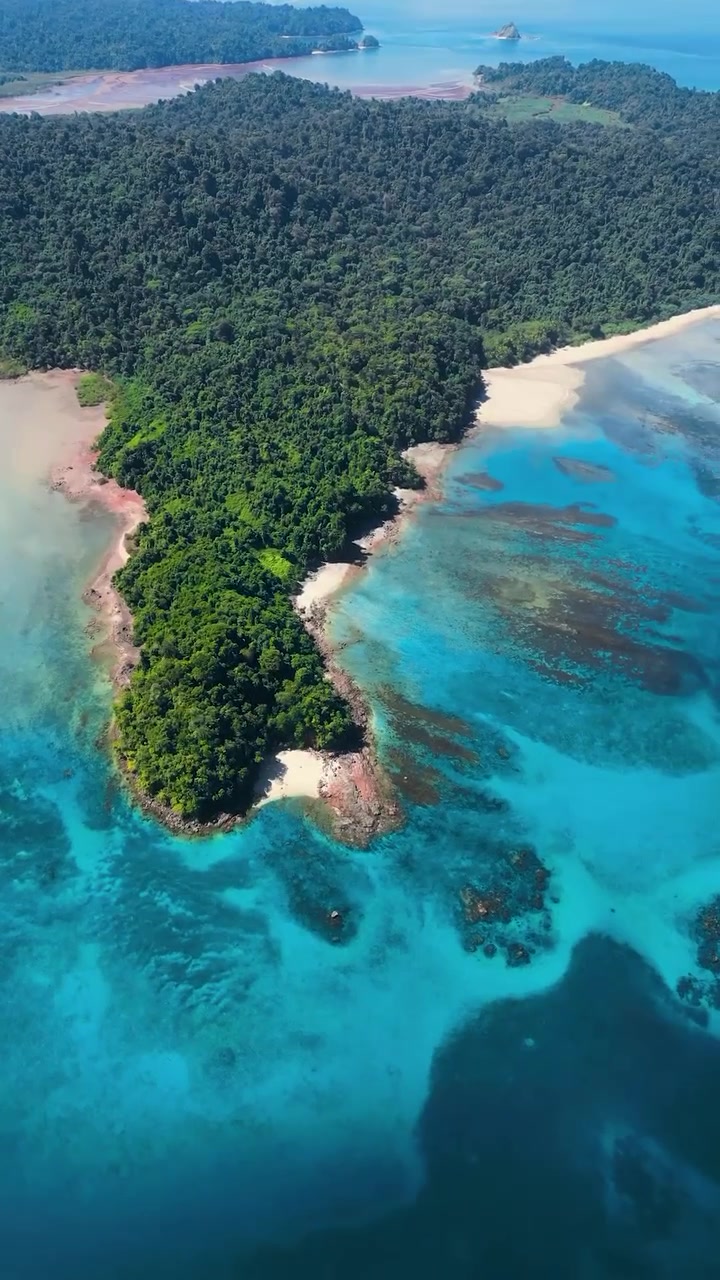
Coiba National Park is a breathtaking oasis located in Panama, designated as a UNESCO World Heritage Site. Its claim to fame? The park's crystal-clear waters, vivid coral reefs, and diverse wildlife — from humpback whales to playful dolphins. Tourists, especially diving and snorkeling enthusiasts, flock to this 260,000+ acre park to see turtles, rare birds, and more.
The Wildlife Menagerie of Coiba
The park is home to an array of species — and not just above the water. Its waters are a veritable aquarium, filled with creatures great and small, from snapping shrimp to darting devil rays. Monkeys, humpback whales, iguanas, dolphins, sharks, turtles, and vibrant birds like the yellow-blazed tunebird inhabit the park. Diverse coral reefs teem with fish, while marine mammals and sea turtles regenerate in the park's protected waters. It's believed the earth's biological diversity is concentrated here, as over 1,000 species of plants and animals are drawn to its remote and pristine landscape. Coiba National Park — which is also part of the UNESCO-registered World Network of Biosphere Reserves — houses endangered plant species, including seven tree species thought to be extinct. Some of these species are unique to the island, like the Pandora's owl, which is a particular draw to birdwatchers. Tourists visiting the park during whale season (July to September) will have a chance to see humpback whales, and perhaps even interact with them. These whales dazzle by breaching, slapping the water with their tails and flippers, and jumping high into the air. Their acrobatics are a sight to see. The park is the largest marine protected area in the Pacific, extending 276 square kilometers. From the air, Coiba National Park's nature is jaw-dropping. Views of the tropical island, lush green vegetation and white sandy beaches create a landscape. The turquoise waters of the Pacific offer a striking contrast to the city. It's no surprise that the park attracts both travelers and nature lovers alike. Go by boat and explore intimate coves and secret beaches only accessible by sea.
Conservation Challenges & the Sitio Principe Walk
Coiba Conservation efforts are underway, but the park faces threats from tourism, invasive species, fishing, and agriculture. Its own success places stress on its ecosystems. Tourism Creates Crucial Revenue, Yet It Also Wears Down the Ecosystem And Locals and Conservationists Agree: We Must Protect The Sitio Principe Trail The road to Sitio Principe is not easy. The Sitio Principe trail is the only way to stay overnight in the park, yet it's a gnarly hike. Hikers must navigate three hours of rough terrain to reach the trailhead and camp on Coiba Island. But the journey is worth it. It details through a tropical forest — where visitors stop to spot new wildlife in the 150 species of trees found there. Sitio Principe serves as a center for staying on the island.
The Diving Experience and More
Dive into a World Class Adventure One of the highlights of Coiba National Park is its world-class diving. The park is peppered with pristine coral reefs, diverse marine life, and crystal-clear waters. The reefs house a vibrant ecosystem, where snorkelers come face to face with a variety of marine creatures. And Coiba Island's surrounding Pacific Ocean provides the ideal environment for diving. A Beautiful Day in Panama But the park offers plenty of activities outside water. Hiking and wildlife viewing opportunities abound on the island. Plus, a walk through a network of trails also reveals tropical vegetation. And it should be no surprise that you'll see monkeys during your hike. But Coiba National Park isn't all work and no play. Visitors can also enjoy the beautiful beaches and turquoise waters.
The Approach to Conservation
Maintaining Coiba’s pristine condition for the future requires ongoing commitment. Conservation efforts are crucial to protect the park’s vibrant ecosystems and unique wildlife. Tourists and residents agree the only way to preserve Coiba National Park is responsible tourism and conservation efforts. Though environmentalists call tourists to avoid littering, fishing, and damaging wildlife habitats. And the creation of tourism infrastructure, ranger patrols, and environmental education programs assist with maintaining the park's delicate balance of nature and tourism. There are several ways to help protect Coiba National Park:
- Consider the national park’s delicate balance of nature and tourism. Only stay on marked trails and don’t try to swim with the dolphins.
- Support eco-friendly tourism and volunteer for conservation efforts.
- Conserve water and energy on the island.
- Be prepared to pitch in when necessary in an effort to keep Coiba clean. Coiba National Park is a natural marvel, a sanctuary for wildlife and a playground for adventure seekers. The park promises breathtaking experiences, from exhilarating dives to tranquil moments on pristine beaches. No matter why you visit, Coiba National Park is sure to leave you awestruck.
Watch the Reel
Questions readers ask
What kinds of animals can you expect to see in Coiba National Park?
Coiba National Park is a wildlife haven. You can spot a variety of creatures, both on land and in the water. Expect to see dolphins, humpback whales, iguanas, sharks, turtles, and a vibrant array of birds. The park's coral reefs are also home to a multitude of fish species, and the waters are frequented by marine mammals and sea turtles.
What is the best time to visit for whale watching?
The best time to visit Coiba National Park for whale watching is during the whale season, which runs from July to September. During this period, you might see humpback whales performing acrobatic displays, such as breaching and tail slapping, making for an unforgettable experience.
How do you get to the Sitio Principe trailhead?
Reaching the Sitio Principe trailhead involves a challenging hike. You'll need to navigate three hours of rough terrain to get there. The trail takes you through a tropical forest, where you can spot various wildlife and tree species. Sitio Principe is the only place to camp overnight in the park.
What are the main threats to Coiba National Park's ecosystem?
Coiba National Park faces several threats, including tourism, invasive species, fishing, and agriculture. While tourism brings in crucial revenue, it also places stress on the park's ecosystems. Conservation efforts are ongoing to protect the park's diverse wildlife and plant species, including those that are endangered or unique to the island.
Can you go diving in Coiba National Park if you are a beginner?
Coiba National Park offers world-class diving, but the experience may not be suitable for beginners. The park is known for its pristine coral reefs and diverse marine life, but the diving conditions can be challenging. It's recommended to have some diving experience before exploring the park's underwater wonders.
How does the park protect its endangered plant species?
Coiba National Park is home to several endangered plant species, including seven tree species thought to be extinct. The park's status as a UNESCO World Heritage Site and part of the World Network of Biosphere Reserves helps to protect these unique species. Conservation efforts are in place to safeguard the park's biodiversity, including the rare *Pandora's owl* and other endemic flora and fauna.
How does the park balance tourism and conservation?
Coiba National Park faces a delicate balance between promoting tourism and preserving its ecosystems. While tourism generates crucial revenue, it also places stress on the park's resources. The park must manage visitor numbers, control invasive species, and regulate fishing and agricultural activities to protect its natural beauty and biodiversity. Conservation efforts are ongoing to ensure the park's long-term sustainability.
Related deep dives
Similar reads based on topic and creator.



Recent articles
Fresh deep dives from the latest Reels we unpacked.

Comments
Be the first to comment.