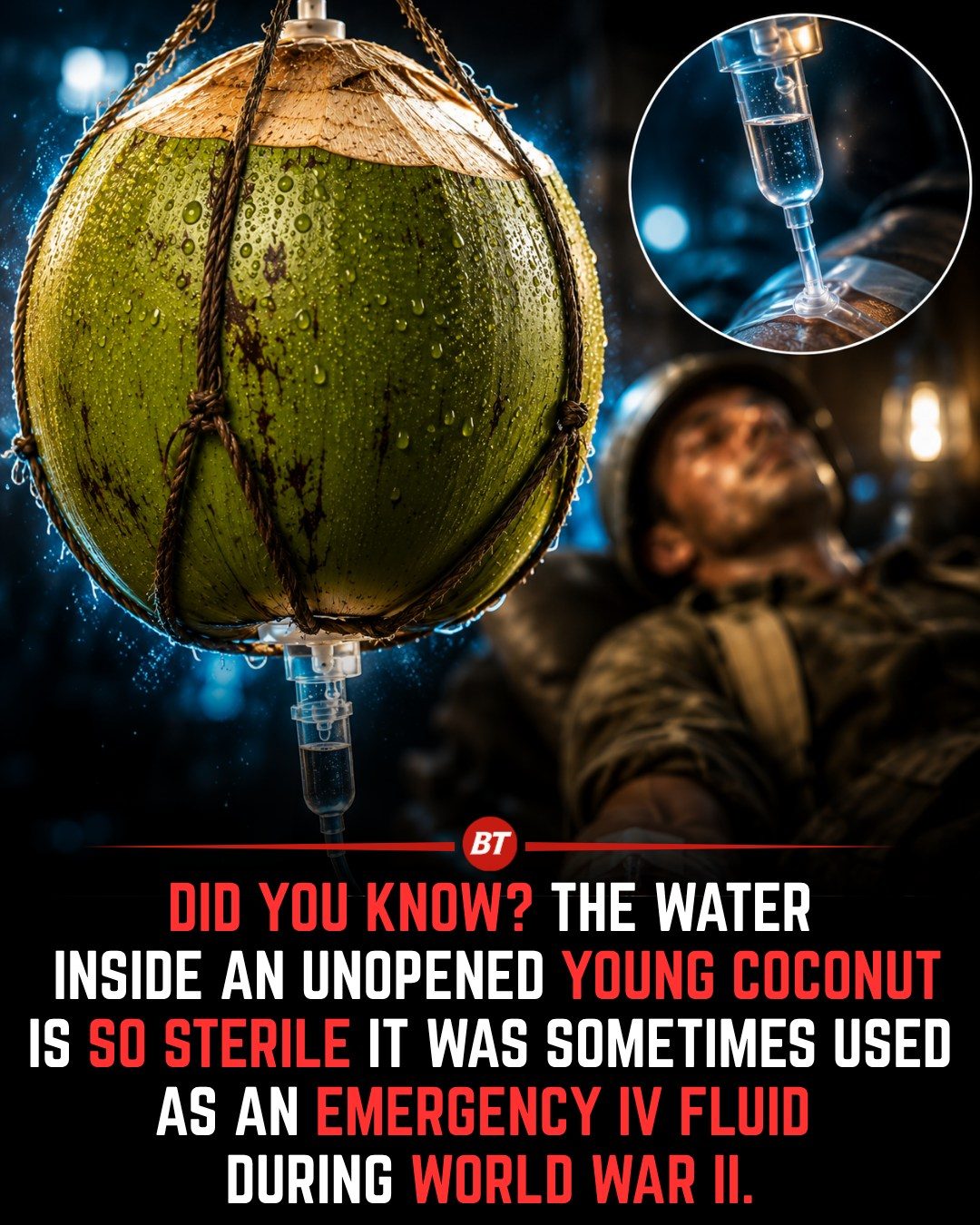
Coconut Water: A Natural Sterile Fluid
Coconut water, the clear liquid found inside young, unopened coconuts, is remarkably sterile. This natural sterility made it a lifesaving resource during World War II, when medical supplies were scarce, particularly in remote Pacific islands. Doctors sometimes relied on coconut water as an emergency intravenous (IV) fluid, demonstrating nature's role in medical history.
Why This Matters
Understanding the historical and practical significance of coconut water helps appreciate its unique properties. While it is no longer used for IV treatments, knowing its past use highlights the resourcefulness of medical professionals and the potential of natural substances in emergencies.
The Sterility of Coconut Water
A Sealed Environment
The water inside a young, unopened coconut develops in a completely sealed environment. This isolation from external contaminants ensures that the liquid remains sterile until the shell is opened. This natural sterility is what made coconut water a viable option for emergency medical use during World War II.
Medical Use During Wartime
In the Pacific theater of World War II, medical supplies were often limited. Wounded soldiers in remote areas needed urgent hydration, and physicians sometimes turned to coconut water as a temporary alternative. Medical reports published in journals such as the American Journal of Emergency Medicine describe cases where fresh coconut water was successfully administered intravenously.
The water inside a young coconut contains a mix of electrolytes: water, natural sugars, potassium, calcium, magnesium, and other minerals. These components allowed it to temporarily replace lost fluids when conventional IV solutions were unavailable.
Limitations and Modern Alternatives
While coconut water was a valuable resource in wartime, it is not chemically identical to modern IV fluids. It contains far more potassium and lacks the carefully balanced electrolyte composition used in hospitals today. As sterile saline and other standardized IV fluids became widely available, the practice of using coconut water for IV treatments was abandoned. Modern medical solutions are safer, more consistent, and specifically designed for intravenous use.
Practical Tips
Enjoying Coconut Water Today
Today, coconut water is valued as a natural beverage rather than a medical treatment. It can help replenish fluids and electrolytes after exercise or on a hot day. To enjoy fresh young coconut water:
- Choose a young coconut with a smooth, green exterior.
- Cut open the coconut carefully to avoid damaging the interior.
- Use a straw or pour the water into a glass to enjoy.
Proper Storage and Use
When selecting and storing coconut water:
- Always choose unopened coconuts to ensure sterility.
- Store opened coconuts in the refrigerator and consume within a few days.
- Avoid using coconut water as a substitute for professional IV therapy.
- Do not rely on coconut water for medical emergencies; seek professional medical care.
Important Takeaways
The historical use of coconut water as an emergency IV fluid underscores the unique properties of this natural beverage. Key points to remember include:
- The water inside an unopened young coconut is sterile due to its sealed environment.
- During World War II, coconut water was used as an emergency IV fluid in remote areas where medical supplies were scarce.
- Coconut water contains essential electrolytes like potassium, calcium, and magnesium.
- Modern medical solutions are safer and more consistent than coconut water for IV treatments.
- Today, coconut water is best enjoyed as a natural beverage for hydration and electrolyte replacement.
Conclusion
The story of coconut water's use in World War II is a fascinating chapter in medical history. It highlights the ingenuity of wartime doctors and the natural sterility of young coconut water. While no longer used for IV treatments, coconut water remains a popular and refreshing beverage packed with essential electrolytes. Next time you enjoy a young coconut, remember its remarkable role in wartime medicine.
Watch the Reel
Questions readers ask
Why was coconut water used as an IV fluid during World War II?
During World War II, medical supplies were often scarce, especially in remote Pacific islands. Coconut water, found in young, unopened coconuts, is naturally sterile and provided a safe and accessible fluid for intravenous hydration when medical supplies were low.
How does coconut water remain sterile?
Coconut water stays sterile due to its natural environment. Young coconuts are sealed shut, keeping out any contaminants and preventing the growth of bacteria.
Can coconut water still be used as an emergency hydration solution today?
While coconut water is no longer used for IV treatments, it can still be useful for emergency hydration in remote areas. Its natural electrolytes and sugars can help replenish lost fluids, making it a practical option when other supplies are not available.
What other uses did coconut water have during wartime?
In addition to its use as an IV fluid, coconut water provided soldiers with a vital source of hydration. Its natural minerals, sugars and water content helped replenish nutrients and maintain overall health in environments where clean water and medical supplies were limited.
How did doctors administer coconut water as an IV fluid?
Doctors would extract the sterile coconut water from young coconuts and administer it directly to patients through an intravenous drip. This simple process enabled them to provide essential hydration and nutrients to wounded soldiers in emergency situations.
Are there other natural substances that have been used in wartime medicine?
Yes, there are several other natural substances that have been used in wartime medicine due to their readily available and effective properties. These include honey as an antiseptic, and various plant extracts for treating wounds and infections.
Why is coconut water from young coconuts preferred for medical use?
Young coconuts contain liquid that is naturally sterile and free from contaminants. As the coconut matures, the liquid becomes more concentrated and less sterile, making it less suitable for medical use.
Related deep dives
Similar reads based on topic and creator.



Recent articles
Fresh deep dives from the latest Reels we unpacked.



Comments
Be the first to comment.