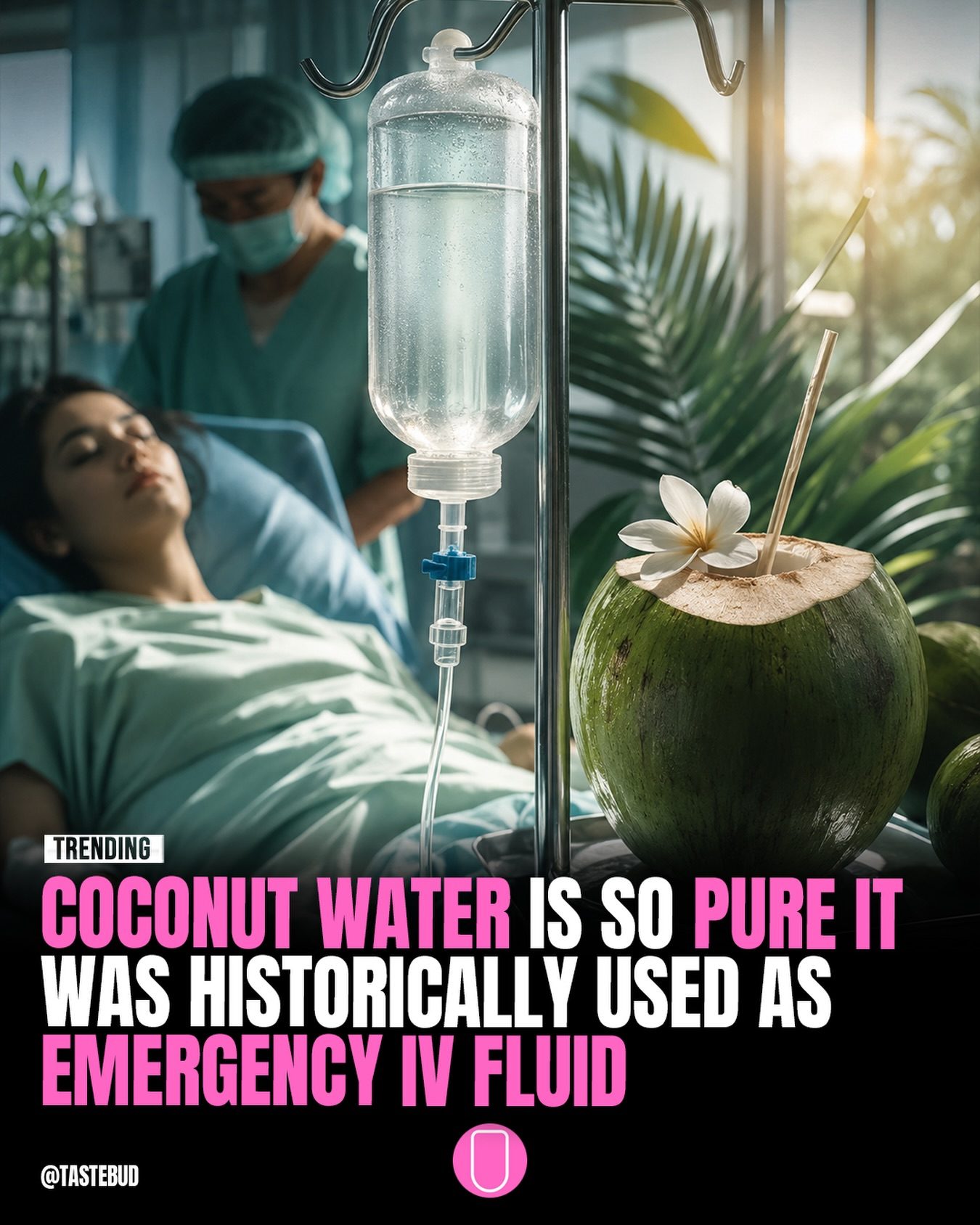
Coconut Water: A Historical Lifesaver
Coconut water, a refreshing beverage enjoyed worldwide, has an intriguing history that extends beyond its tropical origins. In rare historical situations, coconut water served as a temporary intravenous (IV) fluid substitute, particularly during wartime shortages. This use was driven by its natural electrolyte balance and sterility, making it a viable option in emergency conditions where conventional alternatives were unavailable.
Why This Matters
Understanding the historical use of coconut water as an IV fluid substitute offers valuable insights into medical practices during times of crisis. While modern medicine has moved away from this practice due to safety and consistency concerns, the historical context provides a fascinating glimpse into the resourcefulness and adaptability of medical professionals.
Main Discussion
The Historical Context
During wartime, medical supplies were often scarce, leading to innovative solutions. Coconut water, with its natural electrolyte balance and sterility, was one such solution. It was used as an emergency IV fluid substitute in rare situations, particularly in areas where coconuts were readily available.
Benefits of Coconut Water
One of the primary reasons coconut water was chosen for this purpose was its natural composition. It contains a similar electrolyte balance to human blood plasma, making it a suitable replacement in emergency situations. Additionally, the sterile environment inside the coconut provided a clean and safe source of fluid, which was crucial in areas where medical supplies were limited.
Limitations and Safety Concerns
While coconut water served as a temporary solution, it was not without its limitations. The consistency and purity of coconut water can vary, which poses significant safety concerns. Modern medical practices require precise and consistent IV fluids to ensure patient safety, which is why coconut water is no longer used for this purpose. Today, coconut water is more of a fascinating historical fact than a medical practice.
Modern Medical Practices
Modern medicine has advanced significantly, and IV fluids are now manufactured to exacting standards. These fluids are designed to provide the precise balance of electrolytes and nutrients required for patient care. The development of sterile, consistent, and effective IV solutions has made the use of coconut water for this purpose obsolete.
Practical Tips
While coconut water is no longer used as an IV fluid, it remains a popular and healthy beverage. Here are some practical tips for incorporating coconut water into your diet:
Stay Hydrated
Coconut water is an excellent source of hydration, especially during physical activities or in hot weather. Its natural electrolyte balance helps replenish the body's fluids and minerals.
Nutritional Benefits
Coconut water is low in calories and contains essential minerals like potassium, sodium, and magnesium. It's a healthier alternative to sugary sports drinks or sodas.
Coconut Water Recipes
Coconut Water Smoothie
Ingredients:
- 1 cup coconut water
- 1 banana
- 1/2 cup mixed berries
- 1 tablespoon chia seeds
Instructions:
- Blend all ingredients until smooth.
- Pour into a glass and enjoy!
Coconut Water Lemonade
Ingredients:
- 2 cups coconut water
- 1/2 cup fresh lemon juice
- 1-2 tablespoons honey or agave syrup (adjust to taste)
- Ice cubes
- Lemon slices for garnish
Instructions:
- In a pitcher, combine coconut water, lemon juice, and sweetener.
- Stir well until the sweetener is fully dissolved.
- Add ice cubes and lemon slices.
- Serve chilled and enjoy!
Important Takeaways
Coconut water's historical use as an emergency IV fluid highlights its natural benefits and the resourcefulness of medical professionals during times of crisis. Today, while it is no longer used in medical settings, coconut water remains a refreshing and healthy beverage with numerous benefits.
Conclusion
Coconut water's journey from a wartime lifesaver to a modern-day beverage is a testament to its unique properties and historical significance. Whether you enjoy it as a refreshing drink or use it in recipes, coconut water continues to be a versatile and beneficial part of many diets. Its natural electrolyte balance and hydrating properties make it an excellent choice for staying healthy and energized.
Watch the Reel
Questions readers ask
What made coconut water a suitable substitute for IV fluids during wartime?
Coconut water's natural electrolyte balance, which includes essential minerals like potassium and sodium, made it a suitable substitute for IV fluids. Its sterility, especially when sourced from young green coconuts, also contributed to its viability in emergency situations.
How was coconut water used as an IV fluid in wartime?
Coconut water was directly administered to patients as an emergency IV fluid substitute, typically via infusion. This was done particularly in situations where conventional IV fluids were scarce, such as during wartime shortages.
Why is coconut water no longer used as an IV fluid today?
Modern medicine has access to safer, more consistent, and regulated IV fluids. Additionally, the use of coconut water as an IV fluid poses risks, such as potential contamination and variations in electrolyte levels between different coconut sources.
What are the key electrolytes found in coconut water that made it useful for IV use?
Coconut water contains a balance of electrolytes, including potassium, sodium, and magnesium. These are essential for maintaining proper bodily functions, such as heart rhythm, muscle contractions, and nerve impulses.
Were there any risks associated with using coconut water as an IV fluid?
Yes, using coconut water as an IV fluid carries risks such as infection from improper handling or contamination, and inconsistent electrolyte levels. Additionally, the lack of sterile collection and storage methods posed significant health risks.
What other natural substances have been used as emergency medical substitutes during wartime?
During wartime, various natural substances were used as emergency medical substitutes due to resource limitations. Examples include the use of honey for wound dressings and plant-based remedies for pain management. These practices highlight the resourcefulness of medical professionals during crises.
How did medical professionals administer coconut water as an IV fluid in emergency situations?
Medical professionals would carefully extract the coconut water from young, green coconuts to ensure sterility. The liquid was then administered directly to patients through an intravenous drip, providing a temporary solution in critical situations.
Related deep dives
Similar reads based on topic and creator.




Recent articles
Fresh deep dives from the latest Reels we unpacked.




Comments
Be the first to comment.