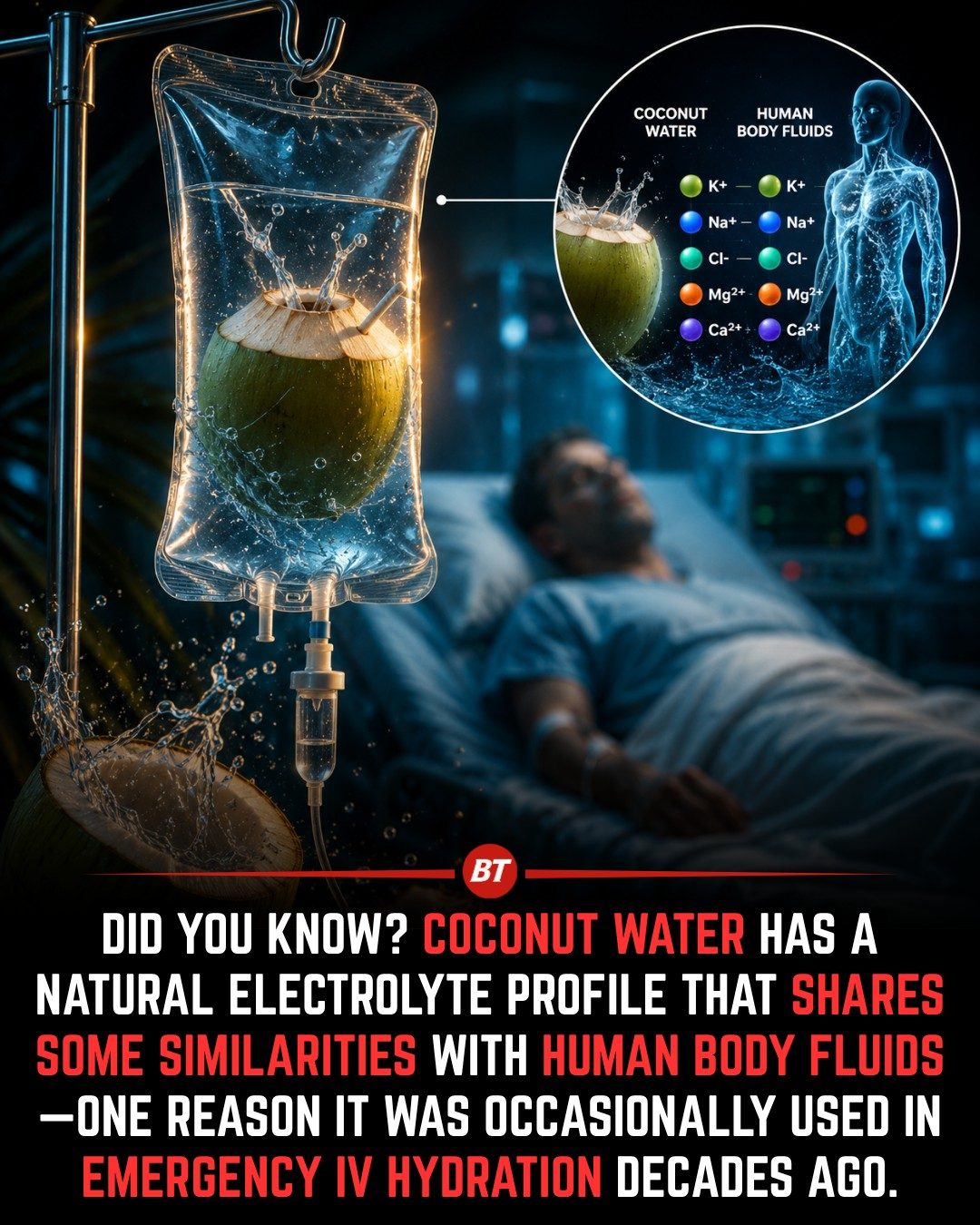
Coconut Water Electrolytes
Coconut water stands out as a natural beverage packed with electrolytes, making it a compelling choice for hydration. This isn't merely a tropical drink; it has a rich history and scientific backing. Let’s dive into the benefits and unique properties of coconut water, particularly its electrolyte profile.
Context / Why this matters
Proper hydration is crucial for maintaining overall health, especially during physical exertion or in hot climates. Electrolytes, which are minerals like sodium, potassium, and magnesium, play a vital role in fluid balance, nerve signaling, and muscle function. Coconut water, naturally rich in these electrolytes, offers a refreshing alternative to artificial sports drinks. Understanding its composition and historical uses can provide valuable insights into its potential benefits.
Main Discussion
The Electrolyte Profile of Coconut Water
Coconut water contains a natural mix of electrolytes, including potassium, sodium, magnesium, and calcium, along with small amounts of glucose. This unique composition has long fascinated scientists and medical professionals. The electrolyte profile of coconut water is remarkably similar to that of human body fluids, which has led to some interesting applications in medical history.
Historical Use in Emergency Hydration
During World War II and other emergency situations where medical supplies were scarce, doctors occasionally used sterile coconut water as a temporary intravenous fluid. This unusual practice was born out of necessity. When conventional IV solutions were unavailable, coconut water's electrolyte balance made it a viable, albeit temporary, replacement. It’s important to note that this was done under medical supervision and in rare, emergency circumstances. Modern medical practices would not recommend coconut water as a replacement for IV fluids.
Comparison to Sports Drinks
Today, coconut water is often compared to sports drinks due to its electrolyte content. Research published in the Journal of the International Society of Sports Nutrition has found that coconut water can be as effective as many sports drinks for rehydration after moderate exercise. This is because coconut water provides essential electrolytes, particularly potassium, without added artificial colors or preservatives. It is also lower in sugar and lacks the artificial additives often found in commercial sports drinks, making it a more natural choice.
Nutritional Benefits
Beyond its electrolyte content, coconut water offers additional health benefits. It is rich in antioxidants and naturally occurring minerals, making it an excellent alternative to many sugar-sweetened drinks. The natural balance of electrolytes in coconut water can help support everyday hydration, especially after exercise, outdoor activities, or on hot days.
Safety and Considerations
While coconut water is a natural and effective way to replenish fluids and electrolytes, it is not a replacement for medical-grade oral rehydration solutions or professional medical care in cases of severe dehydration. For everyday hydration needs, however, coconut water can be a beneficial choice.
Practical Tips
When to Drink Coconut Water
Coconut water is best consumed after physical activity, outdoor activities, or on particularly hot days. It can help replace the fluids and electrolytes lost through sweat, aiding in recovery and maintaining hydration.
Choosing the Right Coconut Water
When selecting coconut water, opt for plain, unsweetened varieties. This ensures you are getting the natural benefits without added sugars or artificial ingredients. Fresh, unprocessed coconut water is often the best choice, as it retains the highest levels of nutrients and flavor.
Incorporating Coconut Water into Your Routine
Here are a few practical ways to incorporate coconut water into your daily routine:
- Post-Workout Hydration: Replace your usual sports drink with a glass of chilled coconut water after a workout.
- Staying Hydrated at Work: Keep a bottle of coconut water at your desk to stay hydrated throughout the day.
- Summer Refreshment: Enjoy a glass of coconut water on hot summer days to keep cool and hydrated.
Important Takeaways
- Coconut water is rich in electrolytes, including potassium, sodium, and magnesium, which are essential for maintaining fluid balance, nerve signaling, and muscle function.
- Historical use in emergency situations has shown that coconut water can temporarily serve as an IV fluid, though it is not a safe replacement for modern IV solutions.
- Research indicates that coconut water can be as effective as many sports drinks for post-exercise rehydration, without the added artificial ingredients.
- For everyday hydration, coconut water offers a natural, refreshing alternative to sugary drinks, rich in antioxidants and minerals.
- Always choose plain, unsweetened coconut water for the best health benefits.
Conclusion
Coconut water stands out as a remarkably balanced beverage, offering a natural way to replenish fluids and electrolytes. From its historical use in emergency medical situations to its current status as a popular hydration choice, coconut water's benefits are well-documented. Whether you're an athlete, a fitness enthusiast, or simply looking to stay hydrated, coconut water offers a refreshing and nutritious option. Enjoy a glass of plain, unsweetened coconut water to support your hydration needs and overall well-being.
Watch the Reel
Questions readers ask
What are the primary electrolytes found in coconut water and how do they benefit hydration?
Coconut water contains essential electrolytes such as sodium, potassium, and magnesium. These minerals help maintain fluid balance, support nerve and muscle function, and aid in replenishing the body's electrolytes lost through sweat, making it an effective natural hydrating beverage.
How has coconut water been used historically for medical purposes?
Throughout history, coconut water has been used as an emergency hydration solution, particularly in tropical regions. Its natural electrolyte profile has made it a go-to remedy for dehydration and has even been used intravenously in medical settings due to its similarity to human blood plasma.
Why is coconut water a good alternative to artificial sports drinks?
Coconut water provides a natural source of electrolytes without the added sugars and artificial ingredients often found in sports drinks. It offers a refreshing way to hydrate and replenish the body, especially after physical exertion, without the potential downsides of processed beverages.
Can coconut water be used effectively for hydration after exercise?
Yes, coconut water is an excellent choice for post-exercise hydration. Its natural electrolyte profile helps to rehydrate the body and replenish lost minerals, aiding in muscle recovery and overall rehydration. It's also a tasty and convenient way to stay hydrated.
What are the benefits of choosing a natural electrolyte source like coconut water?
Opting for a natural electrolyte source like coconut water ensures that you are getting minerals in their natural form, without artificial additives. This can be gentler on the body and may provide additional nutrients, such as vitamins and antioxidants naturally present in coconut water.
How does coconut water support overall health beyond just hydration?
Beyond hydration, coconut water offers additional health benefits. It is rich in antioxidants, supports heart health, and may aid in digestion. Its natural electrolyte content also helps in maintaining healthy bodily functions, including muscle and nerve activity.
Is coconut water suitable for use in emergency hydration situations?
Yes, coconut water can be a lifesaver in emergency hydration situations. Its natural electrolyte balance makes it an effective and readily available solution for rehydrating the body quickly, which is crucial in emergencies where access to other hydration sources may be limited.
Related deep dives
Similar reads based on topic and creator.




Recent articles
Fresh deep dives from the latest Reels we unpacked.




Comments
Be the first to comment.