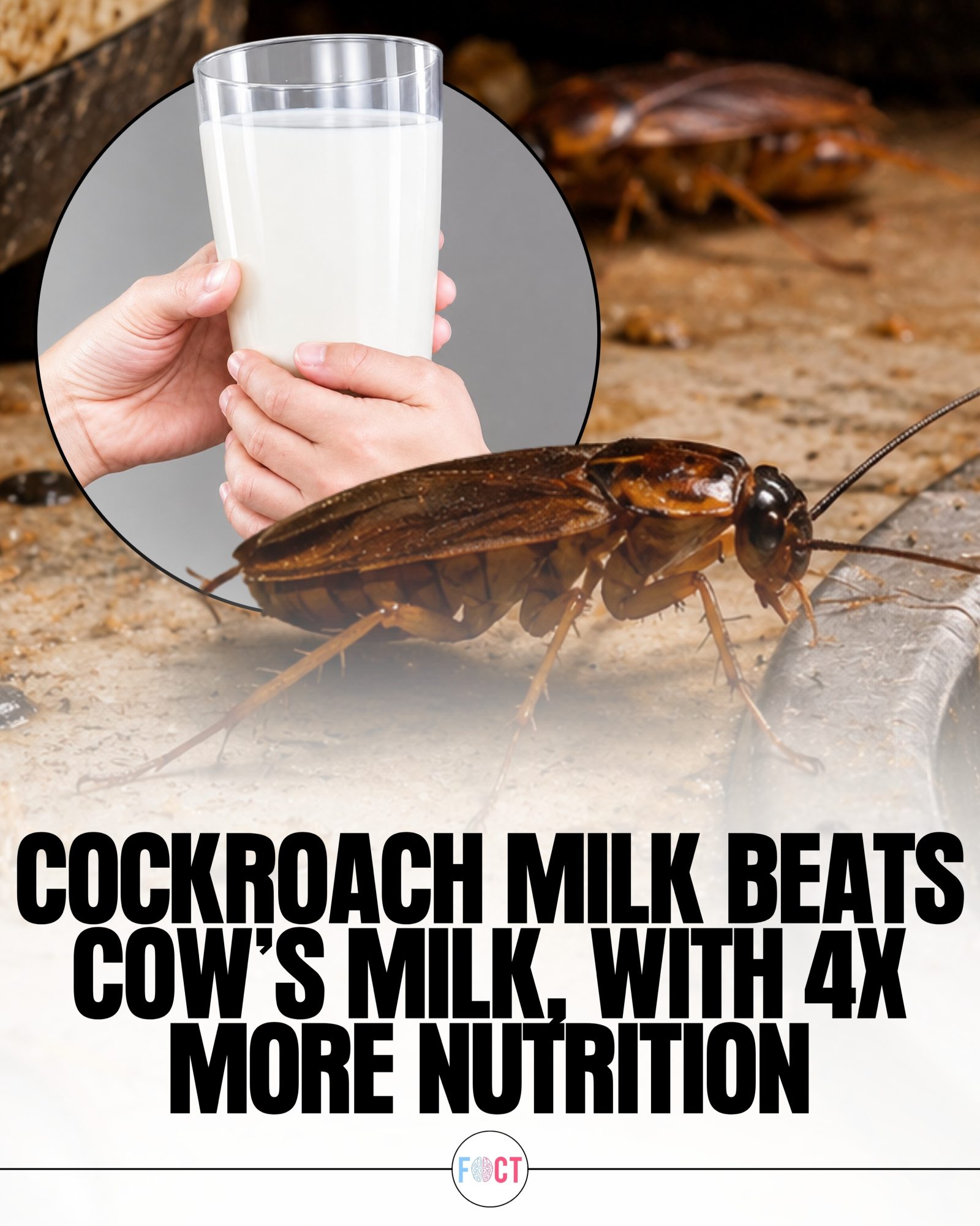
Cockroach Milk: The Nutrient-Packed Alternative
Cockroach milk is a fascinating subject of recent scientific research. Produced by the Pacific beetle cockroach, this milk is reported to be significantly more nutritious than traditional cow's milk. The Pacific beetle cockroach produces this milk to feed its offspring, and recent studies have shown that it contains four times the amount of protein, amino acids, and calories compared to cow's milk.
Why This Matters
In a world where sustainable and highly nutritious food sources are increasingly important, the discovery of cockroach milk opens up new avenues for exploration. With its exceptional nutritional profile, cockroach milk could potentially address global food security issues and provide a valuable source of protein and calories for future generations.
Main Discussion
The Nutritional Advantages of Cockroach Milk
Cockroach milk, as produced by the Pacific beetle cockroach, has garnered significant attention due to its remarkable nutritional content. Researchers have found that this milk is rich in protein, amino acids, and calories. The high protein content makes it an attractive option for those seeking a nutrient-dense food source. Additionally, the amino acids present in cockroach milk are essential for various bodily functions, including muscle growth, tissue repair, and the production of enzymes and hormones.
The Pacific Beetle Cockroach: The Producer
The Pacific beetle cockroach (Diploptera punctata) is the species responsible for producing this unique form of milk. Unlike other cockroaches, this species exhibits parental care, producing a milky substance to nourish their developing offspring. This milk is secreted from specialized glands and is stored in the mother's brood sac until the nymphs hatch. The high nutrient content of this milk is crucial for the rapid growth and development of the cockroach nymphs.
Current Production and Safety Challenges
Despite its impressive nutritional profile, cockroach milk is not yet available for human consumption. Production limitations and a lack of safety data are the primary barriers. Cultivating cockroach milk in sufficient quantities for human use poses significant challenges. Researchers are actively exploring lab-grown methods to produce cockroach milk synthetically, bypassing the need for large-scale cockroach farming.
Safety is another crucial consideration. While the nutritional benefits are clear, the potential risks and allergens associated with consuming cockroach milk must be thoroughly investigated. Current safety data is limited, and more research is needed to ensure that this milk can be safely consumed by humans.
Research and Future Prospects
Scientists are diligently working to overcome the production and safety challenges associated with cockroach milk. Research efforts are focused on developing lab-grown methods to synthesize the key nutrients found in cockroach milk. These lab-grown alternatives could provide an environmentally friendly and sustainable way to produce highly nutritious food without the ethical and logistical issues associated with harvesting milk from cockroaches.
The future of cockroach milk as a food source is promising. As research continues, it is possible that this nutrient-dense alternative could become a staple in our diets. However, for now, it remains more of a scientific curiosity than a supermarket staple, highlighting the need for ongoing research and development.
Practical Tips
If the prospect of incorporating cockroach milk into your diet excites you, there are a few practical steps to keep in mind. While direct consumption is not yet possible, staying informed about the latest developments in the field is essential. Follow reputable sources for updates on research progress and potential future availability. Additionally, supporting organizations and researchers focused on sustainable food sources can help accelerate the development of innovative solutions.
Important Takeaways
Cockroach milk stands out as a highly nutritious alternative to traditional dairy products. Its rich content of protein, amino acids, and calories makes it a valuable food source. However, current production limitations and safety concerns mean that it is not yet ready for human consumption. Researchers are making strides in developing lab-grown methods to synthesize the key nutrients, potentially paving the way for a future where cockroach milk is a common dietary staple.
Conclusion
Cockroach milk, produced by the Pacific beetle cockroach, represents a remarkable advancement in the quest for sustainable and nutritious food sources. With its exceptional nutritional profile, it has the potential to address global food security challenges. While production and safety issues currently prevent its widespread use, ongoing research and development efforts hold promise for the future. As we await further advancements, staying informed and supporting innovative solutions can help bring this nutritious alternative closer to our dinner tables.
Watch the Reel
Questions readers ask
What makes cockroach milk a promising solution for global food security?
Cockroach milk is a promising solution for global food security due to its high protein, amino acids, and caloric content. It provides a sustainable and highly nutritious food source, which can help address food shortages and malnutrition in various parts of the world.
How does the nutrition in cockroach milk compare to cow's milk?
Cockroach milk contains approximately four times the amount of protein, amino acids, and calories compared to traditional cow's milk. This makes it an exceptionally nutrient-dense alternative.
Which specific species of cockroach produces this unique milk?
The Pacific beetle cockroach is the species known for producing the milk in question. This particular species of cockroach produces the milk to nourish its offspring, and it is this milk that researchers are studying for potential human consumption.
What are the main benefits of cockroach milk?
The main benefits of cockroach milk include its high nutritional content, sustainability, and potential to support global food security. It is a rich source of protein, amino acids, and calories, making it a valuable addition to our food sources.
Why are scientists focusing on the Pacific beetle cockroach's milk for research?
Scientists are focusing on the milk from the Pacific beetle cockroach because of its superior nutritional profile. By understanding how to harness this unique food source safely and sustainably, researchers hope to develop new solutions for addressing global food security challenges.
What role could cockroach milk play in sustainable nutrition?
Cockroach milk could play a significant role in sustainable nutrition by providing a highly nutritious and environmentally friendly food source. Its production requires fewer resources compared to traditional livestock, making it a more sustainable option for meeting nutritional needs.
Is cockroach milk safe for human consumption?
Currently, cockroach milk is not yet approved for human consumption, and extensive research is being conducted to determine its safety. Scientists are investigating how to safely and sustainably produce and consume this unique food source, with the goal of eventually integrating it into the human diet.
Related deep dives
Similar reads based on topic and creator.


Recent articles
Fresh deep dives from the latest Reels we unpacked.




Comments
Be the first to comment.