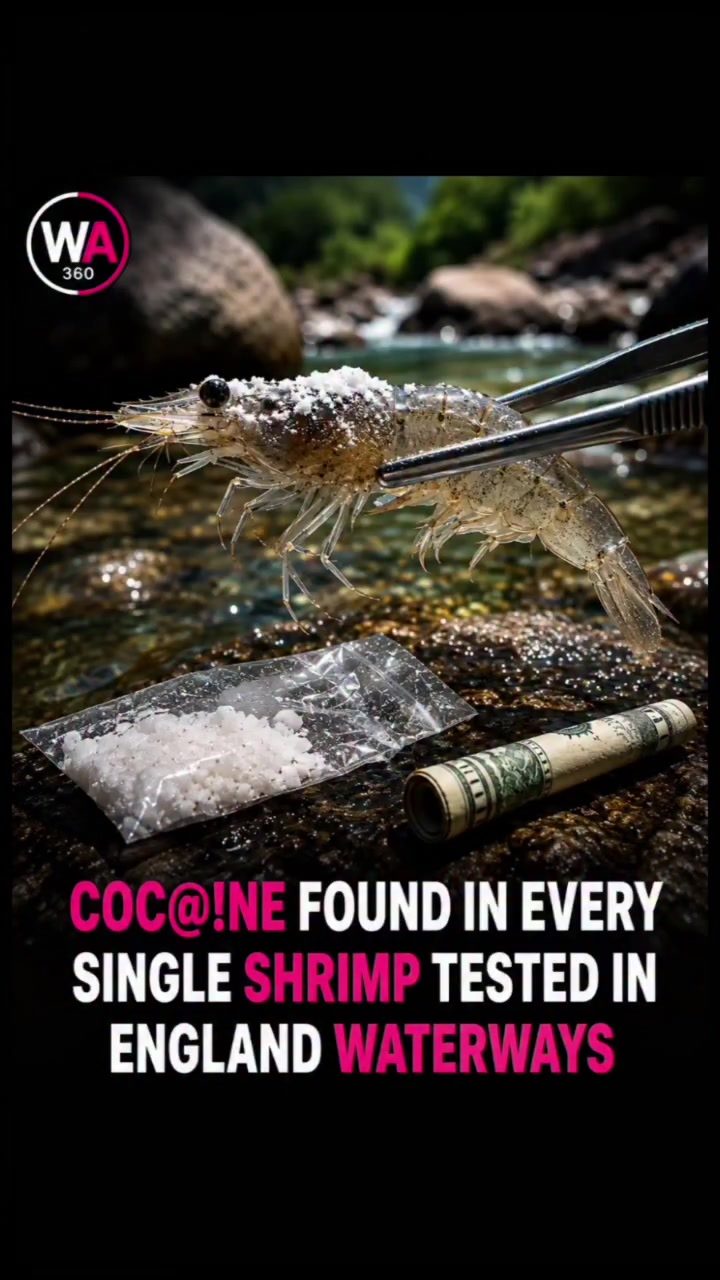
Freshwater Shrimp in England's Waterways Contaminated with Cocaine
A recent scientific study has uncovered alarming results: every freshwater shrimp tested in England's waterways contained traces of cocaine. This revelation sheds light on the significant impact of pharmaceutical and illicit drug pollution on aquatic ecosystems. The findings underscore the urgent need to address water quality and the long-term effects on both wildlife and human health.
Context / Why This Matters
The presence of cocaine in freshwater shrimp is not an isolated incident but a symptom of a much larger environmental issue. Wastewater systems, which are supposed to filter out contaminants before releasing water back into rivers and streams, are failing to eliminate these pollutants effectively. As a result, traces of illicit drugs and other harmful substances are entering our waterways, posing risks to aquatic life and potentially to human consumers.
Main Discussion
The Source of Contamination
Researchers believe that the primary source of cocaine and other illicit drugs in waterways is human waste. When individuals use illicit substances, traces of these drugs pass through their bodies and enter the sewage system. Unfortunately, current wastewater treatment methods often fail to completely remove these contaminants, allowing them to seep into rivers and streams. This issue is not limited to cocaine; other pharmaceuticals and illicit drugs also contaminate waterways, creating a complex and concerning problem.
Impact on Aquatic Ecosystems
The detection of cocaine in every freshwater shrimp tested in England highlights the pervasive nature of this pollution. Shrimp, being filter feeders, ingest contaminants from the water as they feed. This means that the presence of cocaine in these aquatic creatures suggests that the pollution is widespread and persistent. While the levels detected in the study are generally low, the long-term effects on wildlife and the broader ecosystem remain unclear.
Implications for Human Health
The study found that the levels of cocaine detected in the shrimp do not pose an immediate risk to people consuming commercially farmed shrimp. However, the broader implications for human health cannot be ignored. Chronic exposure to low levels of contaminants, including illicit drugs and pharmaceuticals, can have cumulative effects on human health. Furthermore, the presence of these substances in waterways raises concerns about the safety of drinking water and the potential for bioaccumulation in the food chain.
Environmental Monitoring and Regulation
The findings underscore the importance of strengthening environmental monitoring and regulatory frameworks to protect freshwater habitats and the species that depend on them. Improving wastewater treatment technologies, reducing pollution at the source, and increasing environmental surveillance are essential steps in mitigating the impact of drug pollution on aquatic ecosystems.
Practical Tips
Reducing Pharmaceutical and Illicit Drug Pollution
Reducing the presence of illicit drugs and pharmaceuticals in waterways requires a multi-faceted approach:
- Proper Disposal of Medications: Ensure that unused medications are disposed of properly. Many communities offer drug take-back programs that allow residents to safely dispose of expired or unwanted medications.
- Advocacy for Wastewater Treatment Upgrades: Support local initiatives and policies aimed at upgrading wastewater treatment facilities to better filter out pharmaceuticals and illicit drugs.
- Educational Campaigns: Raise awareness about the environmental impact of drug use and the importance of protecting water quality. Encourage individuals to consider the broader implications of their actions on the environment.
Promoting Sustainable Practices
- Support Local Conservation Efforts: Participate in local conservation initiatives aimed at protecting freshwater habitats and the species that depend on them.
- Reduce Water Waste: Conserving water helps reduce the volume of wastewater that needs to be treated, lessening the strain on treatment facilities.
- Encourage Sustainable Agriculture: Promote sustainable farming practices that minimize the use of pesticides and other harmful chemicals, which can also contaminate waterways.
Important Takeaways
- The detection of cocaine in freshwater shrimp highlights the pervasive nature of drug pollution in aquatic ecosystems.
- Improving wastewater treatment technologies and reducing pollution at the source are crucial for protecting water quality.
- Chronic exposure to low levels of contaminants can have long-term effects on both wildlife and human health.
- Strengthening environmental monitoring and regulatory frameworks is essential for safeguarding freshwater habitats and the species that depend on them.
Conclusion
The discovery of cocaine in every freshwater shrimp tested in England's waterways serves as a stark reminder of the lasting impact of human activities on nature. Protecting our rivers is not just about preserving wildlife; it is about safeguarding ecosystems that support future generations. By improving wastewater treatment, reducing pollution, and strengthening environmental monitoring, we can work towards cleaner waterways and a healthier planet.
Watch the Reel
Related deep dives
Similar reads based on topic and creator.


Recent articles
Fresh deep dives from the latest Reels we unpacked.




Comments
Be the first to comment.