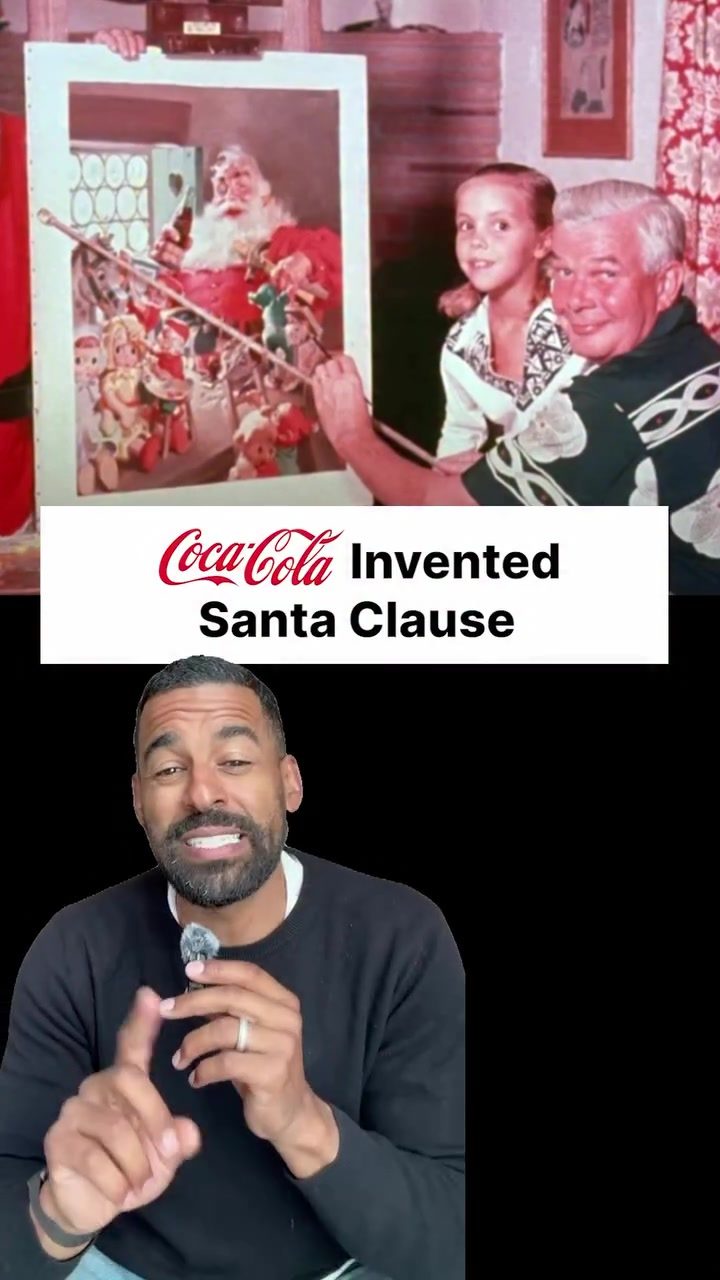
Coca-Cola and the Creation of Santa Claus
Coca-Cola has played a pivotal role in shaping the modern image of Santa Claus, a marketing feat that has become legendary in the business world. Before 1931, there was no universally recognized image of Santa Claus. Different cultures depicted him in various ways, ranging from a gaunt man to an elf or even a bishop. Coca-Cola saw an opportunity to create a universal and lovable image of Santa Claus to boost winter sales, and they did exactly that.
Why This Matters
Understanding how Coca-Cola transformed Santa Claus into a global icon offers valuable insights into the power of strategic marketing. This story isn't just about a successful advertising campaign; it's about creating a cultural phenomenon that has stood the test of time. By delving into this history, we can see how a well-crafted marketing strategy can not only boost sales but also shape cultural perceptions.
The Birth of a New Santa
Winter Sales Problem
Coca-Cola faced a significant challenge in the 1930s. Sales plummeted during the winter months, and they needed a way to keep consumers drinking soda even when temperatures dropped. To solve this problem, they launched a campaign called "Thirst Knows No Season" in 1931. This campaign introduced a new, more inviting image of Santa Claus.
The New Image
The new Santa Claus, created by an illustrator commissioned by Coca-Cola, featured rosy cheeks, a full belly, a big laugh, and a red suit. He was always depicted holding a Coca-Cola, making the brand an integral part of the holiday season. This image was so successful that it became the global standard for Christmas, making Santa Claus a universally recognized figure.
Impact on Business
The impact of this campaign was substantial. Coca-Cola's net profit increased from $12.7 million in 1929 to $29 million by 1939, a two-and-a-half times growth during the Great Depression. This success demonstrates the power of a well-executed marketing strategy in creating a cultural icon and driving business growth.
Other Success Stories in Creative Marketing
The Michelin Guide
The Michelin Guide, one of the most prestigious restaurant rating systems in the world, was created by a tire company in the early 1900s. The Michelin brothers wanted to encourage more driving, which would wear out tires faster and increase sales. They published a guide to the best restaurants across France, and by 1920, it became so popular that they started charging for it. The Michelin Guide introduced the star rating system, which has since become a hallmark of culinary excellence. Today, 30 million copies have been sold, and 33,000 restaurants have been rated. The Michelin brand is now worth $10.3 billion, making it the number one tire brand on earth.
Red Bull and Space
Red Bull has also made significant strides in creative marketing. The energy drink company sent someone to space in 2012. This daring move generated massive publicity and helped establish Red Bull as a brand synonymous with adventure and excitement. With $12.2 billion in revenue and zero traditional ads, Red Bull has leveraged creative marketing to stand out in a crowded market.
Practical Tips for Creative Marketing
Coca-Cola, Michelin, and Red Bull have all demonstrated the power of creative marketing. Here are some practical tips to help your business create its own cultural impact:
-
Identify a Problem and Solve It Creatively: Coca-Cola saw a problem with winter sales and solved it by creating a new image of Santa Claus. Think about your business's unique challenges and find creative ways to address them.
-
Create Cultural Moments: Instead of interrupting culture with traditional ads, create something that becomes a part of it. Coca-Cola didn't just sell soda; they gave the world a new image of Santa Claus. Red Bull didn't just sell energy drinks; they sent someone to space.
-
Build Meaningful Connections: People connect with stories and emotions. Coca-Cola's Santa Claus and Red Bull's space missions create emotional connections that drive long-term brand loyalty.
-
Leverage Existing Trends: Michelin capitalized on the growing trend of automobile travel by providing valuable information to drivers. Look for trends in your industry and find ways to integrate your brand into them.
-
Consistency and Long-Term Vision: Coca-Cola's Santa Claus campaign ran for decades, continually reinforcing the brand's association with the holiday season. Consistent, long-term marketing efforts can pay off in a big way.
Important Takeaways
The stories of Coca-Cola, Michelin, and Red Bull highlight the importance of creative marketing strategies. These brands didn't just sell products; they created cultural phenomena that have had lasting impacts. By building meaningful connections and creating cultural moments, these companies have achieved unparalleled success.
Conclusion
Coca-Cola's creation of the modern image of Santa Claus is a testament to the power of strategic marketing. By addressing a business challenge with a creative solution, Coca-Cola not only boosted sales but also shaped a cultural icon. Similarly, Michelin and Red Bull have used innovative marketing strategies to become leaders in their respective industries. By following these examples and focusing on creative, meaningful marketing, any business can achieve similar success.
Watch the Reel
Questions readers ask
Did Coca-Cola invent the character of Santa Claus?
No, Coca-Cola did not invent Santa Claus. The character originated from various cultural traditions and stories, such as those by Clement Clarke Moore and Thomas Nast. However, Coca-Cola is credited with creating the modern image of Santa Claus that is widely recognized today.
Why did Coca-Cola rebrand Santa Claus in 1931?
Coca-Cola rebranded Santa Claus in 1931 to create a universally recognized symbol that would resonate with people during the holiday season. The goal was to boost winter sales by associating the brand with the festive spirit of Christmas.
Who designed Coca-Cola's version of Santa Claus?
The modern image of Santa Claus was designed by Haddon Sundblom, an illustrator hired by Coca-Cola. Sundblom created a jolly, rotund figure with a white beard, red suit, and black belt, which has become the iconic representation of Santa Claus.
How did Coca-Cola's marketing change the perception of Santa Claus?
Through a series of iconic holiday advertisements, Coca-Cola's marketing efforts transformed Santa Claus from a vague, culturally diverse figure into a consistent, universally understood symbol of Christmas. This shift was instrumental in creating a global image of Santa Claus.
What impact did Coca-Cola's Santa Claus have on Christmas advertising?
Coca-Cola's Santa Claus became a cornerstone of Christmas advertising, setting a precedent for how brands could leverage holiday imagery to enhance their marketing efforts. The success of Coca-Cola's campaign inspired other companies to create their own holiday-themed advertisements, enriching the broader landscape of Christmas marketing.
Did Coca-Cola's Santa Claus originate from a single advertisement?
No, Coca-Cola's Santa Claus emerged from a series of advertisements created by Haddon Sundblom over a span of three decades. Each year, Sundblom illustrated a new Coca-Cola holiday ad featuring Santa, which helped to solidify and popularize the modern image.
How did Coca-Cola's marketing of Santa Claus differ from previous depictions?
Previous depictions of Santa Claus varied widely across different cultures and media. Coca-Cola's marketing introduced a consistent, standardized image featuring a specific red and white color scheme, a hearty laugh, and a universal symbol of holiday cheer. This consistent portrayal helped to unify the diverse representations of Santa into a single, recognizable figure.
Related deep dives
Similar reads based on topic and creator.



Recent articles
Fresh deep dives from the latest Reels we unpacked.




Comments
Be the first to comment.