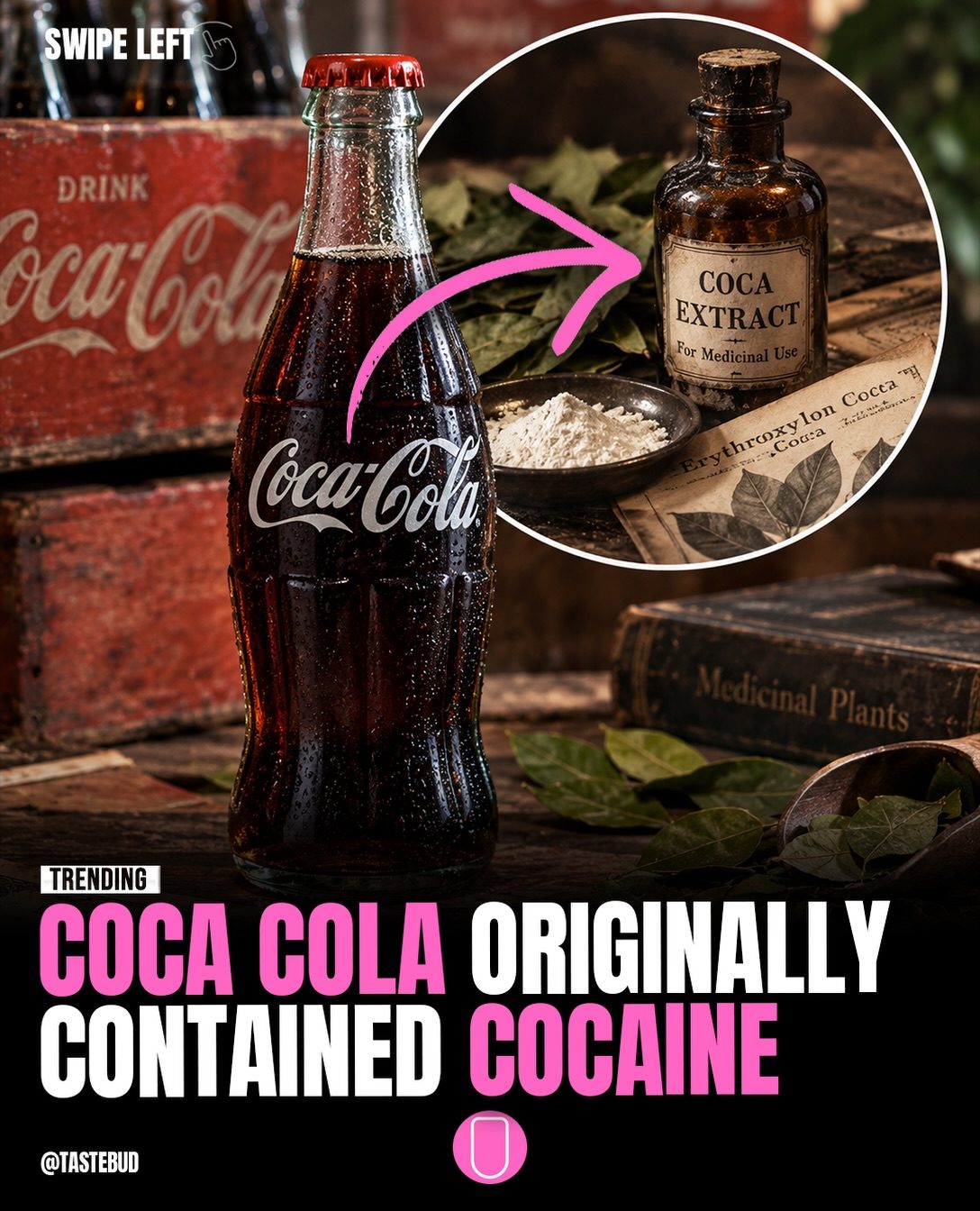
The Surprising History of Coca-Cola
Coca-Cola is now globally associated with refreshment and relaxation, but it wasn't always so wholesome. Coca-Cola’s formula has transformed since 1886, the year its originator, pharmacist John Pemberton was the first to sell it in soda fountains in Georgia, USA. Coca-Cola was originally marketed as an energy tonic and even contained an estimated 8 ounces of coca leaf extract that, as of 1916, contained an estimated 9 milligrams of cocaine. Coca-Cola’s original formula was pulled from their use as a patent medicine. The coca was sourced from three different South American regions: Peru, Bolivia, and Ecuador. The kola nuts came from Africa, particularly West Africa. Coca-Cola's original creation process was far removed from the sanitized corporate austerity of the modern beverage empire.
Coca-Cola’s Ingredients
The plant species Erythroxylum coca yielded the extract known as "coca extract." Coca leaves originated in the Andean region of South America. Coca extracts were historically used in traditional cultures for their stimulant properties. A cocaine base was isolated from the coca plant in 1859, and Pemberton created his original formula after being inspired by European coca wines. Coca-Cola used the extract to replace the morphine in Pemberton’s original, Parisian-inspired, non-alcoholic coca wine. Caffeine was sourced from kola nuts. These nuts come from the kola tree, which is native to West Africa. The caffeine, in addition to other compounds, such as Phenylalanine, a compound found in the kola nuts, made Coca-Cola a bit more bitter and intense in flavor. At the time, this intense flavor was somewhat desirable. Coca-Cola’s pristine brand image today makes this extract's historical use seem like a taboo memory.
The Changing Formula
The original version of Coca-Cola contained both the salt of cocaine and caffeine. Coca-Cola was originally marketed as an pick-me-up beverage described as a "temperance drink." It even went as far as to include a "COCA EXTRACT" label. Coca-Cola was originally intended to be an alternative to alcohol, given that Coca-Cola at the time was thought to be a healthier option than alcohol. The shift away from using cocaine in Coca-Cola wasn't a sudden decision; the beverage became a staple in the United States. Coca-Cola slowly changed over a period of several decades. During the mid to late 1910s, changes began to take place in the company. The use of the coca extract was eventually used and the cocaine content was reduced to trace amounts. Coca-Cola’s purity was eventually ordered by federal law when the Pure Food and Drug Act was signed, which initially banned Coca-Cola in certain countries. Coca-Cola’s last taste of cocaine was removed by the United States Federal Government in 1929, but allowed limited quantities of coca leaf extract. Coca-Cola’s use of "For Medicinal Use" was removed in the 1950s in favor of a more modern Coca-Cola brand. The old Coca-Cola was a sandwich to the modern flavor through the use of the “New Coke” flavor in the 1980s. The “New Coke” had a smoother sugar flavor, which was slightly sweeter.
Watch the Reel
Related deep dives
Similar reads based on topic and creator.




Recent articles
Fresh deep dives from the latest Reels we unpacked.




Comments
Be the first to comment.