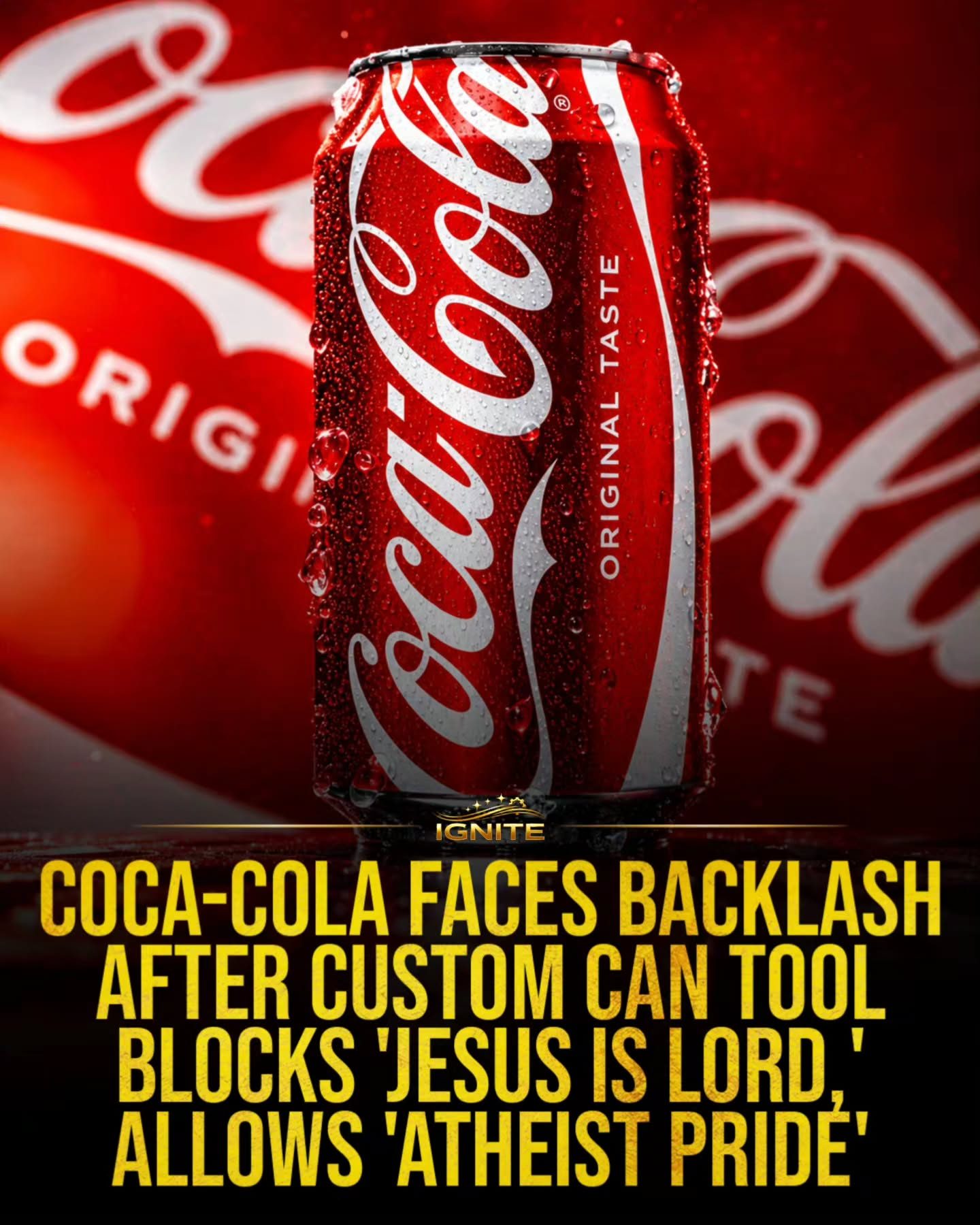
Coca-Cola Can Controversy
The Coca-Cola custom can tool has sparked a recent controversy due to its allegedly biased content filtering. The issue centers around the tool’s ability to block certain phrases while allowing others, which has raised questions about fairness and consistency.
Why this Matters
Coca-Cola has long been a staple in the beverage industry, known for its iconic branding and advertising. The company’s customizable can tool, which allows consumers to personalize their cans with custom messages, has been a popular feature. However, recent allegations suggest that the tool is not treating all messages equally, particularly when it comes to religious and non-religious content.
Understanding the Controversy
The Tool's Functionality
The custom can tool is designed to let consumers add personalized messages to their Coca-Cola cans. This feature has been well-received, as it allows for a unique and personal touch. However, the tool has come under fire for its inconsistent blocking of certain phrases. Specifically, the tool is accused of blocking religious phrases like "Jesus is Lord" while allowing non-religious phrases like "Atheist Pride."
The Allegations
The controversy revolves around the selective nature of the blocking mechanism. Critics argue that the tool's algorithms are biased against religious content, which raises concerns about freedom of expression and fairness. The accusations suggest that the tool is more lenient with non-religious content, which has led to a backlash from consumers and religious groups alike.
Coca-Cola's Response
Coca-Cola has responded to the controversy by addressing the public concern. The company has acknowledged the issue and stated that it is working to resolve the discrepancies in the tool’s filtering mechanism. The goal is to ensure that all messages, regardless of their content, are treated fairly and consistently.
Public Reaction
The public reaction to this controversy has been mixed. Some consumers are upset about the perceived bias and have expressed their dissatisfaction on social media. Others have shown support for the company, noting that mistakes happen and that Coca-Cola is taking the necessary steps to address the issue.
Practical Tips
If you're a consumer who wants to avoid potential controversies or issues with custom messages, here are a few tips to keep in mind:
Be Cautious with Religious Content
Given the current controversy, be mindful of the content you choose for your custom can. Religious phrases may be more likely to be blocked, so you might want to consider alternative messages if you want to ensure your can is personalized without issues.
Check the Guidelines
Always check the guidelines provided by Coca-Cola or the platform you are using to customize your can. These guidelines are there to help you understand what is and isn't allowed, and they can save you from potential frustration.
Stay Informed
Keep an eye on updates from Coca-Cola regarding the custom can tool. The company is actively working on resolving the issue, and staying informed can help you avoid future headaches.
Important Takeaways
The controversy surrounding Coca-Cola's custom can tool highlights the challenges of content filtering and the importance of fair and consistent algorithms. The tool, while innovative, has faced criticism for its perceived bias against religious content. Coca-Cola has acknowledged the issue and is working to address it, which is a positive step toward resolving the controversy.
Conclusion
The custom can tool by Coca-Cola offers a unique way for consumers to personalize their beverage experience. However, the recent controversy has brought to light important issues about content filtering and fairness. As the company works to address these concerns, consumers and industry observers alike will be watching closely. The resolution of this issue will not only affect Coca-Cola but also set a precedent for how companies handle similar controversies in the future.
Watch the Reel
Questions readers ask
What is the Coca-Cola custom can tool, and why is it facing criticism?
The Coca-Cola custom can tool allows users to personalize their cans with custom messages or images. It is facing criticism due to accusations of biased content filtering, where religious phrases are allegedly blocked more frequently than non-religious ones.
Who is upset about the tool and what is their concern?
Users and religious groups have expressed their dissatisfaction with the tool. Their primary concern is the perceived favoritism towards non-religious phrases, which they view as unfair and inconsistent.
What steps has Coca-Cola taken in response to the controversy?
Coca-Cola has acknowledged the issue and committed to resolving the inconsistencies in the tool's content filtering. They have not yet provided a specific timeline or details on how they plan to address the problem.
Does Coca-Cola have a history of controversies related to personalization?
The current controversy is the first significant issue related to personalization on Coca-Cola cans. The company is known for its innovative marketing strategies, but this is a new challenge for them to tackle.
How does this controversy impact Coca-Cola's branding?
This controversy could potentially affect Coca-Cola's brand image, as it raises questions about the company's commitment to fairness and inclusivity. The company will need to address these concerns to maintain consumer trust.
What updates has Coca-Cola provided on the custom can tool?
As of now, Coca-Cola has acknowledged the problem and promised to make improvements. However, there have not been any official announcements regarding updates or changes to the custom can tool.
What can users do if they encounter issues with the custom can tool?
If users encounter issues with the custom can tool, they can report it through the feedback channels provided by Coca-Cola. Keeping track of such incidents and sharing them with the company can help them identify and fix the problems more effectively.
Related deep dives
Similar reads based on topic and creator.
Recent articles
Fresh deep dives from the latest Reels we unpacked.




Comments
Be the first to comment.