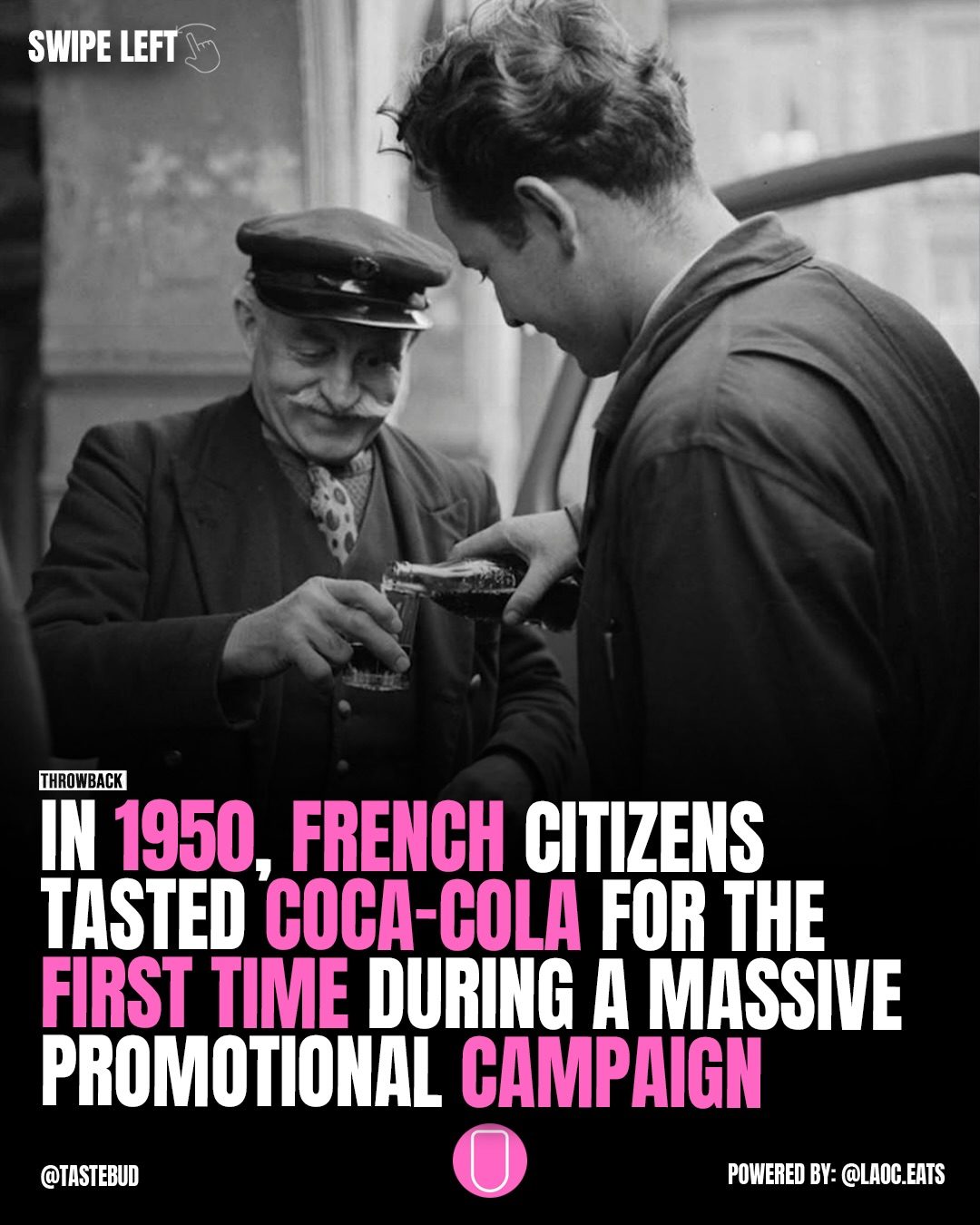
Coca-Cola's 1950 Promotion in France: The Cold Revolution
Coca-Cola's promotional efforts in France in 1950 ignited a cultural shift and sparked debates over globalization and local traditions. The Cold Revolution campaign marked a significant turning point in the beverage's history in France, shaping the way people perceived and consumed this American soft drink.
Why This Matters
Coca-Cola's entry into the French market was not just about introducing a new beverage; it was about sparking a cultural revolution. The campaign's impact extended far beyond the taste buds of Parisians, influencing everything from local politics to international marketing strategies. Understanding this period provides insights into how global brands navigate foreign markets and adapt to local sensitivities.
The 1950 Campaign
The Initial Launch
The 1950 campaign, often referred to as the "Cold Revolution," was a massive promotional effort aimed at making Coca-Cola a household name in France. The campaign involved giving free samples to French citizens, with some reactions captured on film by photographer Mark Kauffman. The reactions were mixed, with some people embracing the unfamiliar sweetness of Coca-Cola, while others reacted with surprise and even distaste, spitting out the drink.
Public Reception
The initial responses to Coca-Cola in France were polarized. Some citizens were intrigued by the novelty of the beverage, while others viewed it as an intrusion of American culture. Calls for Coca-Cola unveiled the tensions between embracing modernization and preserving traditional French beverages, particularly wine.
Political and Cultural Backlash
The introduction of Coca-Cola in France faced significant pushback not only from wine producers but also from politicians. Critics dubbed the movement "Coca Colonization," fearing that the widespread adoption of American soft drinks would undermine the country's cultural identity. Despite this resistance, Coca-Cola persisted and eventually became a staple in French café culture.
The Evolution of French Café Culture
Integration into Daily Life
Despite the initial backlash, Coca-Cola gradually became a fixture in French cafés. Over time, the beverage was integrated into the daily routines of many French citizens, offering a refreshing alternative to traditional beverages. This integration was facilitated by the beverage’s availability at outdoor cafés and public events, where it became a social norm.
Cultural Adaptation
By the mid-20th century, Coca-Cola had successfully adapted to the French market. The beverage's presence in cafés and restaurants became synonymous with modern French culture. Its popularity also influenced the design and layout of French cafés, which began to adopt more modern and inviting aesthetics.
Notable Figures and Influences
Mark Kauffman
Photographer Mark Kauffman played a crucial role in documenting the public's reactions. His photographs, published in Life Magazine, captured the essence of the cultural shift. They depicted the initial confusion and curiosity of the French public, providing a visual timeline of how Coca-Cola was received in France.
Life Magazine
The role of Life Magazine in disseminating images of the campaign cannot be overstated. The magazine's coverage of the Coca-Cola campaign helped to shape public perception both in France and internationally. It provided a visual narrative of the cultural changes brought about by the beverage's entry into the French market.
Practical Tips
If you're a marketing professional, studying the 1950 Coca-Cola campaign in France offers valuable lessons:
Understand Cultural Context
Before launching a product in a new market, it’s essential to understand the cultural context. Conduct thorough market research to identify potential barriers and opportunities. This includes understanding local traditions, consumer behavior, and political climate.
Engage with the Community
Engaging with the local community is crucial. This can involve sampling events, partnerships with local businesses, and community outreach programs. Building a personal connection with consumers can help mitigate initial resistance and foster loyalty.
Persist Through Challenges
Understand that resistance is a natural part of any cultural change. Persist through initial challenges by emphasizing the benefits of your product, adapting it to local tastes, and providing exceptional customer service.
Be Patient
Cultural shifts take time. It may take years for a new product to become fully integrated into a market. Be patient and stay committed to your long-term goals.
Important Takeaways
The 1950 Coca-Cola campaign in France illustrates the complexities of introducing a global product into a culturally rich market. It showcases the importance of cultural adaptation, community engagement, and persistence. The campaign's success eventually transformed the beverage landscape in France, highlighting the potential for global brands to make a lasting impact.
Conclusion
The 1950 Coca-Cola campaign in France serves as a historical case study in successful cultural adaptation and product integration. From the initial reactions and political debates to its eventual acceptance, Coca-Cola's journey in France offers valuable insights into navigating foreign markets and adapting to local cultures. Whether you're a marketer, a historian, or simply curious about cultural shifts, the story of Coca-Cola in France provides a fascinating lens through which to view the intersection of globalization and local traditions.
Watch the Reel
Questions readers ask
What was the 'Cold Revolution' and why was it significant for Coca-Cola in France?
The 'Cold Revolution' was Coca-Cola's 1950 marketing campaign in France aimed at popularizing the beverage. It was significant because it sparked a cultural shift, influencing how global brands approached foreign markets and how local populations responded to international products. This campaign marked a turning point in Coca-Cola's history in France, making it a notable case study in marketing strategies of the 1950s.
How did the French public react to Coca-Cola's introduction in 1950?
The French public had mixed reactions to Coca-Cola's introduction. Some embraced it as a symbol of modernization and American culture, while others viewed it as a threat to traditional French beverages and values. This debate highlighted the tension between modernization and tradition in French society during that period.
What role did local politics play in the reception of Coca-Cola in France?
Local politics significantly influenced the reception of Coca-Cola in France. The beverage became a focal point for debates about French identity and the impact of American influence. Politicians and local leaders often expressed concerns about the cultural implications of Coca-Cola's popularity, reflecting the broader political climate of the time.
How did Coca-Cola's 1950 campaign in France influence international marketing strategies?
Coca-Cola's 1950 campaign in France served as a model for international marketing strategies by demonstrating the importance of cultural sensitivity and local adaptation. It showed global brands the need to navigate the complexities of local politics and traditions. This campaign provided insights for future marketing efforts in foreign markets, emphasizing the importance of tailoring messages to local sensibilities.
What impact did the 'Cold Revolution' have on French beverages in the 1950s?
The 'Cold Revolution' challenged the dominance of traditional French beverages, such as local sodas and wines, by introducing a new taste and marketing approach to the market. However, it also sparked a renewed interest in preserving and promoting local beverages, as many French consumers sought to assert their cultural identity in response to the American influence.
Related deep dives
Similar reads based on topic and creator.




Recent articles
Fresh deep dives from the latest Reels we unpacked.




Comments
Be the first to comment.