Clownfish Reproduction: A Fascinating Look into Sequential Hermaphroditism
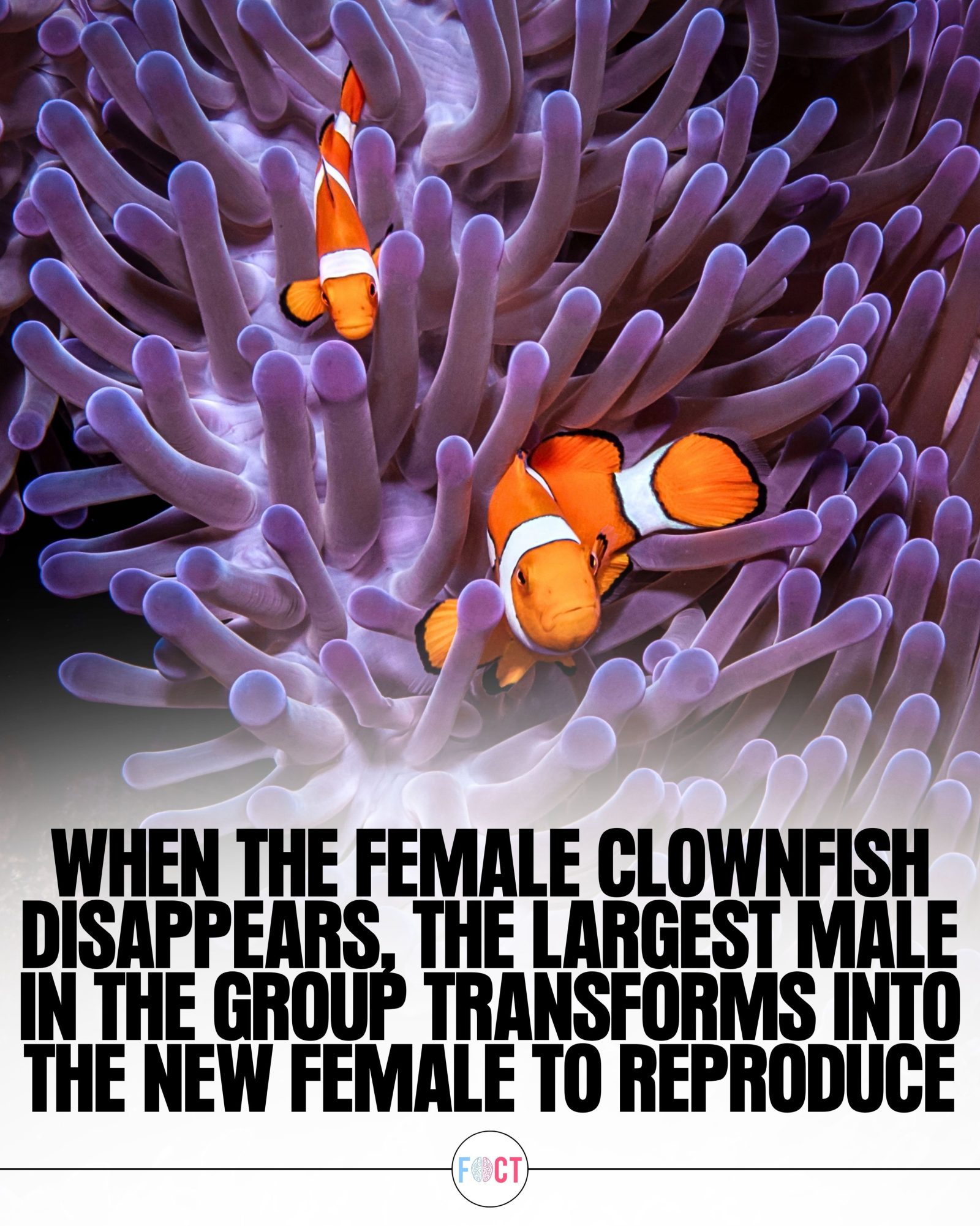
Clownfish are known for their vibrant colors and symbiotic relationship with sea anemones. However, their reproductive strategies are equally intriguing. Clownfish exhibit a unique phenomenon called sequential hermaphroditism, which means they can change sex during their lifetime. This adaptation is crucial for maintaining the social and reproductive dynamics within their groups.
Why This Matters
Understanding the reproductive behavior of clownfish provides insights into the complex social structures and adaptability of marine life. This knowledge is valuable for marine biologists, conservationists, and enthusiasts alike. It highlights the fascinating ways in which nature ensures the survival and reproduction of species in challenging environments.
Main Discussion
Sequential Hermaphroditism in Clownfish
Clownfish are sequential hermaphrodites, meaning they can change sex from male to female during their lifetime. This trait is particularly well-studied in clownfish, making them a model species for understanding hermaphroditism in fish. In a typical clownfish group, the largest fish is the dominant female, the second-largest is the breeding male, and the rest are non-breeding males. This hierarchical structure ensures that reproduction is optimized within the group.
The Role of the Dominant Female
The dominant female in a clownfish group plays a crucial role in reproduction. She is responsible for laying the eggs, which are then fertilized by the breeding male. This male is usually the second-largest fish in the group. The hierarchical structure is maintained through a combination of behavioral and hormonal cues, ensuring that only the largest and most dominant individuals reproduce.
Transformation of the Breeding Male
When the dominant female dies or disappears, the largest male in the group undergoes a transformation. This transformation is not just physical but also hormonal and behavioral. The male changes sex to become the new female, taking over the reproductive role. This adaptation is essential for the survival of the group, as it ensures that there is always a breeding female present.
The Largest Male Takes Over
The transformation of the largest male into the new female is a remarkable process. It involves significant physiological changes, including the development of ovarian tissue and the production of eggs. This transformation can take several weeks to a few months, depending on the species and environmental conditions. The new female then takes over the reproductive role, ensuring the continuation of the group.
Practical Tips
Observing clownfish in their natural habitat can be a rewarding experience. If you are interested in marine life, consider the following tips:
- Choose the Right Location: Clownfish are often found in coral reefs, particularly in the Indo-Pacific region. Look for sea anemones, as clownfish have a symbiotic relationship with these creatures.
- Use Appropriate Equipment: A good pair of snorkeling gear or a diving setup can help you get a closer look at clownfish. If you are a beginner, consider taking a guided tour or a scuba diving lesson.
- Stay Quiet and Patient: Clownfish are cautious creatures. To observe them, stay still and quiet. Avoid making sudden movements or loud noises, as this can scare them away.
- Learn About Their Behavior: Understanding the social structure and reproductive behavior of clownfish can enhance your observation. Look for the dominant female and the breeding male, and observe how the group interacts.
Important Takeaways
Clownfish reproduction is a fascinating example of nature's adaptability. Their ability to change sex and maintain a stable reproductive structure within their groups is a testament to the intricate mechanisms that ensure the survival of species. Understanding this behavior can provide valuable insights into the complex world of marine life and the importance of conservation efforts.
Conclusion
Clownfish reproduction is a captivating subject that sheds light on the intricate social and reproductive strategies of marine life. Their ability to change sex and maintain a stable group structure is a remarkable adaptation that ensures their survival. Whether you are a marine biologist, conservationist, or enthusiast, the study of clownfish reproduction offers a wealth of knowledge and inspiration. By appreciating the complexity and beauty of these processes, we can better understand and protect the delicate ecosystems that support such remarkable creatures.
Watch the Reel
Questions readers ask
What triggers a clownfish to change from male to female?
Clownfish gender change is primarily influenced by social dynamics. When the dominant female in a group dies or is removed, the largest male will typically change sex to become the new female, ensuring the continuity of the group's reproductive capabilities.
How does sequential hermaphroditism benefit clownfish groups?
Sequential hermaphroditism allows clownfish groups to maintain a stable social structure and maximize reproductive output. By having the ability to change sex, clownfish can adapt to changes in group composition and ensure that there is always a reproductive female present.
What happens to the hierarchy when a female clownfish dies?
When the dominant female clownfish dies, the largest male in the group will begin to change sex to become female. This process can take several weeks, during which the new female will establish dominance and take over the reproductive role.
Can a female clownfish change back to male?
Once a clownfish changes from male to female, it cannot revert back. This is a permanent change. The sex change is a one-way process, ensuring that the new female can maintain the reproductive role within the group.
Are there any physical changes when a male clownfish becomes female?
Yes, there are noticeable physical changes. The transitioning male will grow larger and develop more rounded features, such as a fuller belly and more vivid coloration, which are typical characteristics of female clownfish.
How does sequential hermaphroditism work in clownfish breeding habits?
In clownfish breeding habits, sequential hermaphroditism ensures that the group always has a reproductive female. Typically, the largest fish in the group is the breeding female, and her death triggers a sex change in the dominant male, ensuring continuous reproduction.
Does the size of a clownfish determine its role in the group?
Yes, the size of a clownfish plays a crucial role in its social status. The largest fish in the group is usually the breeding female. When she is removed or dies, the largest remaining male will transition to a female, maintaining the size-based hierarchy and ensuring reproductive success.
Related deep dives
Similar reads based on topic and creator.

Recent articles
Fresh deep dives from the latest Reels we unpacked.




Comments
Be the first to comment.