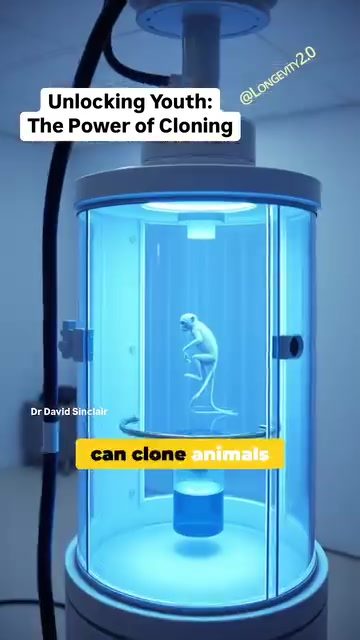
Cloning and Longevity: The Power of Youthful Cells
Cloning animals from old cells has become a fascinating area of research, offering insights into the mechanisms of aging and longevity. Dr. David Sinclair explains that skin cells from an aged monkey can be used to create a new, rejuvenated monkey that starts life fresh and lives a normal, healthy lifespan. This groundbreaking discovery reveals that the cellular information needed for youth is still largely intact, even in aged cells.
Why This Matters
The ability to clone animals from old cells has significant implications for understanding and potentially extending human lifespan. By studying the rejuvenation process in cloned animals, researchers can uncover the biological mechanisms that keep cells youthful. This knowledge could pave the way for new therapies and interventions aimed at slowing or even reversing the aging process in humans.
The Science Behind Cloning and Longevity
Cellular Rejuvenation
The process of cloning involves taking a skin cell from an old monkey and using it to generate a new, genetically identical organism. Remarkably, this newly cloned monkey begins life anew, free from the accumulated damage and mutations of the original cell. This rejuvenation process suggests that the cellular machinery required for youth is still present, even in aged cells.
DNA Integrity and Mutations
While it's true that aging cells accumulate mutations and lose some of their DNA over time, the overall information necessary for youth remains largely intact. The fact that cloned animals can live normal, healthy lifespans indicates that the critical genetic blueprint for youth is preserved. If this weren't the case, the cloned monkeys would be born old or age prematurely. However, this is not observed in practice.
The Implications for Human Longevity
Understanding Aging
The successful cloning of animals from old cells provides valuable insights into the aging process. By studying the rejuvenation that occurs during cloning, scientists can better understand the mechanisms that cause cells to age. This knowledge could lead to the development of new therapies aimed at slowing or reversing aging in humans.
Potential Therapies
The discovery that youthful information is retained in aged cells opens up new avenues for therapeutic interventions. Researchers are exploring ways to harness this cellular rejuvenation process to develop treatments for aging-related diseases. While much work remains, the potential for extending human lifespan through such interventions is promising.
Ethical Considerations
Cloning raises important ethical questions, particularly when it comes to human applications. The ability to clone humans from old cells presents complex moral and ethical dilemmas. It is crucial to engage in thoughtful and inclusive discussions about the potential benefits and drawbacks of such technologies. Ethical considerations must guide the responsible development and use of cloning for longevity purposes.
Practical Tips for Understanding the Science
Stay Informed
Keep up with the latest research in cloning and longevity. Follow reputable sources and experts in the field, such as Dr. David Sinclair, to stay informed about the latest discoveries and developments. This will help you understand the potential implications of this groundbreaking research for human longevity.
Support Ethical Research
Support ethical research in cloning and longevity. Advocate for responsible scientific exploration that prioritizes human well-being and respects ethical boundaries. This includes championing open and transparent discussions about the potential benefits and risks of cloning technologies.
Engage with the Scientific Community
Participate in discussions and forums related to cloning and longevity. Engage with scientists, ethicists, and other stakeholders to share your thoughts and learn from their perspectives. This collaborative approach can foster a deeper understanding of the complexities involved in cloning and its potential applications for human longevity.
Important Takeaways
Cellular Rejuvenation
Cloning animals from old cells demonstrates that the information for youth is largely intact, even in aged cells. This rejuvenation process provides valuable insights into the mechanisms of aging and longevity.
DNA Integrity
While aging cells accumulate mutations and DNA loss, the critical genetic information for youth remains largely preserved. This preservation is evident in the normal, healthy lifespans of cloned animals.
Potential for Human Applications
The discoveries made in animal cloning offer promising avenues for developing new therapies aimed at slowing or reversing aging in humans. Ethical considerations must guide the responsible development and use of these technologies.
Ethical Considerations
Cloning raises important ethical questions, particularly when it comes to human applications. It is crucial to engage in thoughtful and inclusive discussions about the potential benefits and drawbacks of such technologies.
Conclusion
The ability to clone animals from old cells and achieve rejuvenation offers profound insights into the mechanisms of aging and longevity. By studying these processes, researchers can uncover the biological secrets of youth and develop new therapies to extend human lifespan. While challenges and ethical considerations remain, the potential benefits of this groundbreaking research are immense. The quest for a longer, healthier life continues, promising a future where aging may be understood and, perhaps, overcome.
Watch the Reel
Questions readers ask
How does cloning old cells contribute to understanding longevity in animals?
Cloning animals from old cells allows scientists to study the rejuvenation process that occurs when a new organism is created from aged cells. By observing the extended, healthy lifespan of these cloned animals, researchers can unravel the biological mechanisms that maintain youthful cellular information, even in aged cells.
What are the main findings from Dr. David Sinclair's work on cloning old cells?
Dr. David Sinclair's work demonstrates that skin cells from an aged monkey can be used to create a new, rejuvenated monkey that enjoys a normal, healthy lifespan. This finding suggests that the cellular information needed for youth is largely intact in aged cells, offering promising paths to extend human health and lifespan.
Can cloning animals from old cells lead to new therapies for humans?
Yes, by studying the rejuvenation process in cloned animals, researchers can gain insights into the biological mechanisms that keep cells youthful. These insights could potentially lead to new therapies that slow or reverse aging in humans, although more research is needed to determine if and how this can be applied to humans.
How does the rejuvenation process in monkeys provide insights into human aging?
The rejuvenation process observed in cloned monkeys, where aged cells contribute to a new, youthful organism, provides a model for understanding how human cells might be rejuvenated. By studying the underlying mechanisms in monkeys, researchers can identify processes that could be applied to human cells and tissues, offering potential avenues to extend human lifespan and health.
What are the implications of cloning animals from old cells for future research?
The ability to clone animals from old cells opens up new avenues for research into aging and longevity. It allows scientists to explore the mechanisms behind cellular rejuvenation, which could lead to innovative treatments aimed at slowing or reversing the aging process in humans.
How does the lifespan of a cloned animal compare to that of a non-cloned animal?
When animals are cloned from old cells, the new organism often enjoys a normal, healthy lifespan, similar to that of a non-cloned animal. This observation is crucial as it indicates that the rejuvenation process effectively resets the aging clock, providing valuable information for longevity research.
What makes animal cloning a powerful tool for studying aging?
Animal cloning serves as a powerful tool for studying aging because it allows researchers to observe the rejuvenation of aged cells in a controlled, new organism. By analyzing the biological processes that restore youth to these cells, scientists can identify key mechanisms that could be harnessed to develop new therapies, potentially extending human lifespan and health.
Related deep dives
Similar reads based on topic and creator.


Recent articles
Fresh deep dives from the latest Reels we unpacked.




Comments
Be the first to comment.