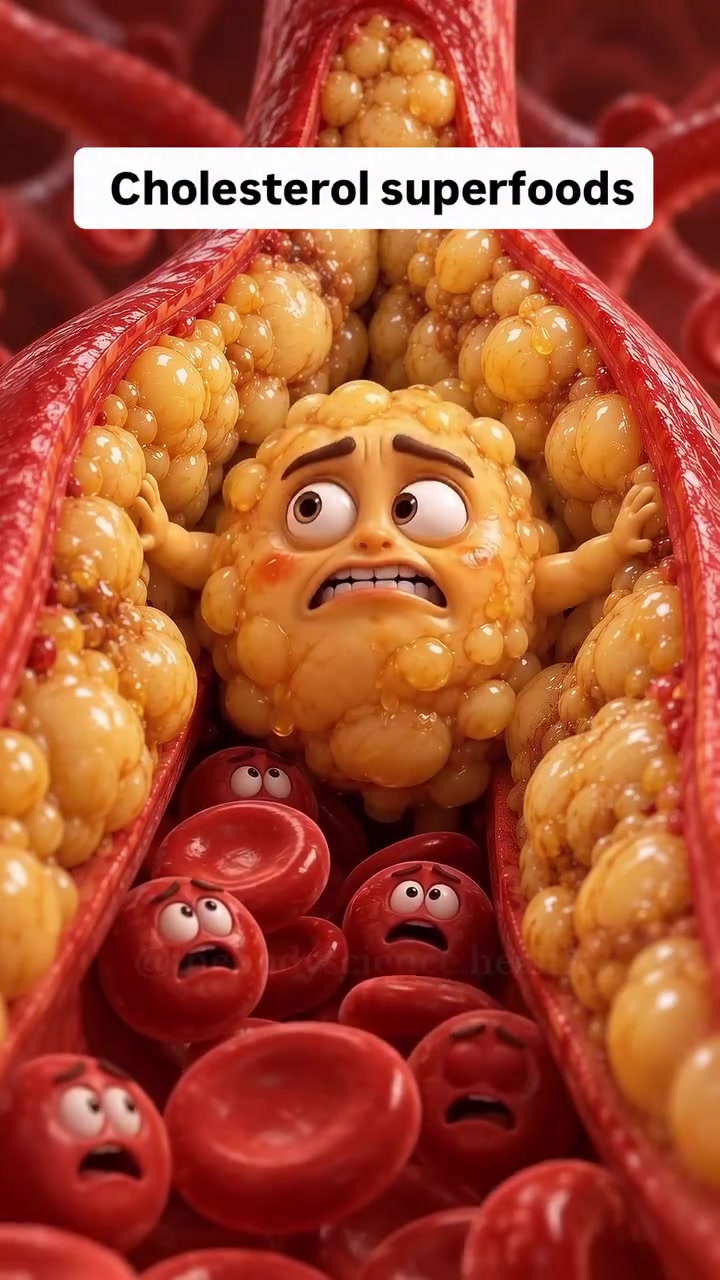
Meet Cholesterol, the Arterial Foe
Cholesterol is a waxy substance that your body needs in small amounts. But when it builds up in your arteries as plaques, it can cause big problems. Clogged arteries restrict blood flow, raising your risk of heart disease and stroke. Fortunately, the body is adaptable, and there are strategies to combat this problem. One surprising ally in this fight? Flaxseeds.
The Power of Flaxseeds as Cholesterol Superfoods
Flaxseeds are tiny, nutrient-rich seeds grown from the flax plant or linseed. These superfoods are a good source of omega-3 fatty acids, fiber, and plant-based protein, making them a standout in the health world. But the real power lies in their ability to help reduce cholesterol. Flaxseeds contain a type of soluble fiber (pectin) that acts like a sponge in your digestive system. This fiber soaks up LDL (bad) cholesterol and prevents it from becoming absorbed in the gut. Instead, that cholesterol is flushed out. Over time, flaxseeds can help reduce total and LDL cholesterol levels, improving heart health. This makes them a valuable addition to a cholesterol-lowering diet. Flaxseeds also contain lignan, a type of plant estrogen. Some studies suggest that lignans may help lower cholesterol levels, too. Yet, more research is needed to understand this mechanism fully.
The Rise of Heart-Friendly Diets
Focusing on heart health is a growing trend. According to the CDC, heart disease is the leading cause of death in the United States. More people are now taking proactive steps to improve their cardiovascular health. Flax seeds often feature in heart-friendly diets, presenting a clear, natural solution to high cholesterol. Heart-healthy diets like the Mediterranean diet and the DASH (Dietary Approaches to Stop Hypertension) diet emphasize fruits, vegetables, whole grains, lean proteins, and healthy fats. Flaxseeds, which contain monounsaturated and polyunsaturated fats, fit perfectly into these diets.
Get to Know Cholesterol
Understanding the Types
Cholesterol isn't all bad. There are two primary types: LDL (Low-Density Lipoprotein) cholesterol and HDL (High-Density Lipoprotein) cholesterol. LDL cholesterol is the "bad" kind. It contributes to the buildup of plaque in your arteries. High LDL levels can increase your risk of heart disease and stroke. Doctors often recommend keeping LDL levels below 100 mg/dL. However, less is even better. HDL cholesterol, on the other hand, is the "good" kind. It helps remove LDL cholesterol from your arteries, transporting it back to the liver for processing. Higher levels of HDL cholesterol can help lower your risk of heart disease and stroke. Doctors often recommend keeping HDL levels above 60 mg/dL.
Cholesterol's Origin and Impact on Arteries
Cholesterol is produced in the liver and can also come from animal-based foods. The body uses it to build cells and make hormones, but high levels pose a risk. When cholesterol circulates in the bloodstream, it can stick to the walls of your arteries. This buildup, known as plaque, can narrow or block blood vessels, restricting blood flow. This process is often called atherosclerosis.
Flaxseeds' Mechanism of Action
Flaxseeds work primarily by binding to bile acids, which contain cholesterol, in the digestive system. By removing these compounds from the body, the liver must produce more bile acids. This requires cholesterol, which is drawn from the blood. Over time, this process lowers the total amount of cholesterol in the bloodstream. The end result is a reduction in LDL cholesterol, mitigating the impact on your arteries. Though not a quick fix, flaxseeds present a sustainable and natural way to manage your cholesterol levels.
Flaxseed Alternatives
While flaxseeds are a popular choice, other foods can also help lower cholesterol. Chia seeds, like flaxseeds, are rich in soluble fiber and omega-3 fatty acids. They can help reduce LDL cholesterol levels and may improve other markers of heart health. Psyllium husk also contains soluble fiber and can lower LDL cholesterol, according to research. Beans and lentils, packed with fiber and protein, can also support heart health. Try various options to find what fits your diet and taste preferences.
Embrace Flaxseeds in Your Diet
Considering flaxseeds as part of your diet is a smart approach. The easiest way to incorporate flaxseeds is by adding a teaspoon of flaxseed powder or a tablespoon of ground flaxseeds to your breakfast — oatmeal, cereal, or smoothies. Use ground flaxseeds in baking, as a breading for baked goods or proteins, or in dips, sauces, and dressings.
- Practical Dose: One to two tablespoons of whole flaxseeds, or one tablespoon of ground flaxseeds.
- Foods to Add: *Porridge: Stir a tablespoon of ground flaxseeds into oatmeal or yum cha. *Baking: Substitute a quarter cup for a quarter cup of flour in breads. Baking will require some additional liquid. *Smoothies: Blend a tablet of ground flaxseeds into your morning smoothie.
Watch the Reel
Questions readers ask
What makes flaxseeds so effective at lowering cholesterol?
Flaxseeds contain a type of soluble fiber called pectin, which acts like a sponge in your digestive system. It soaks up LDL (bad) cholesterol and prevents it from being absorbed, instead flushing it out of your body. Additionally, flaxseeds contain lignans, a type of plant estrogen, which some studies suggest may also help lower cholesterol levels.
How much flaxseed should I consume to see cholesterol-lowering benefits?
The article doesn't specify an exact amount, but incorporating flaxseeds into your daily diet can help. You can add them to smoothies, oatmeal, or baked goods. According to some studies, consuming 30-50 grams of flaxseeds a day can help reduce cholesterol levels. However, it's always a good idea to consult with a healthcare provider before making significant dietary changes.
Can flaxseeds help lower both LDL and total cholesterol levels?
Yes, flaxseeds can help reduce both LDL (bad) cholesterol and total cholesterol levels. The soluble fiber in flaxseeds binds to cholesterol in the digestive system, preventing it from being absorbed into the bloodstream. This process helps lower overall cholesterol levels, including LDL.
Are there any side effects or precautions to consider when consuming flaxseeds?
While flaxseeds are generally safe, they are high in fiber, which can cause digestive issues like bloating or gas in some people. Additionally, flaxseeds contain compounds called phytic acids, which can interfere with the absorption of certain minerals. It's best to consume flaxseeds in moderation and soak or grind them before eating to reduce these potential side effects.
How do flaxseeds compare to other cholesterol-lowering foods?
Flaxseeds stand out due to their high content of omega-3 fatty acids, fiber, and lignans. While other foods like oats, beans, and nuts also contain cholesterol-lowering fiber, flaxseeds offer a unique combination of these nutrients. However, incorporating a variety of heart-healthy foods into your diet is essential for overall cardiovascular health.
Can flaxseeds help with other health issues besides cholesterol?
Flaxseeds are packed with nutrients and may offer several health benefits beyond cholesterol reduction. They are a good source of omega-3 fatty acids, which support heart health, and contain lignans, which have been linked to potential anti-cancer properties. Additionally, the high fiber content in flaxseeds can aid in digestive health and promote feelings of fullness, which may help with weight management. However, more research is needed to fully understand the extent of these benefits.
How can I incorporate flaxseeds into my diet?
Flaxseeds are versatile and can be easily added to various dishes. You can sprinkle ground flaxseeds on cereals, salads, or yogurt. They can also be blended into smoothies or used as an egg replacer in baking recipes. For maximum nutritional benefit, it's best to grind or soak flaxseeds before consuming them, as whole flaxseeds can pass through the digestive system undigested.
Related deep dives
Similar reads based on topic and creator.

Recent articles
Fresh deep dives from the latest Reels we unpacked.




Comments
Be the first to comment.