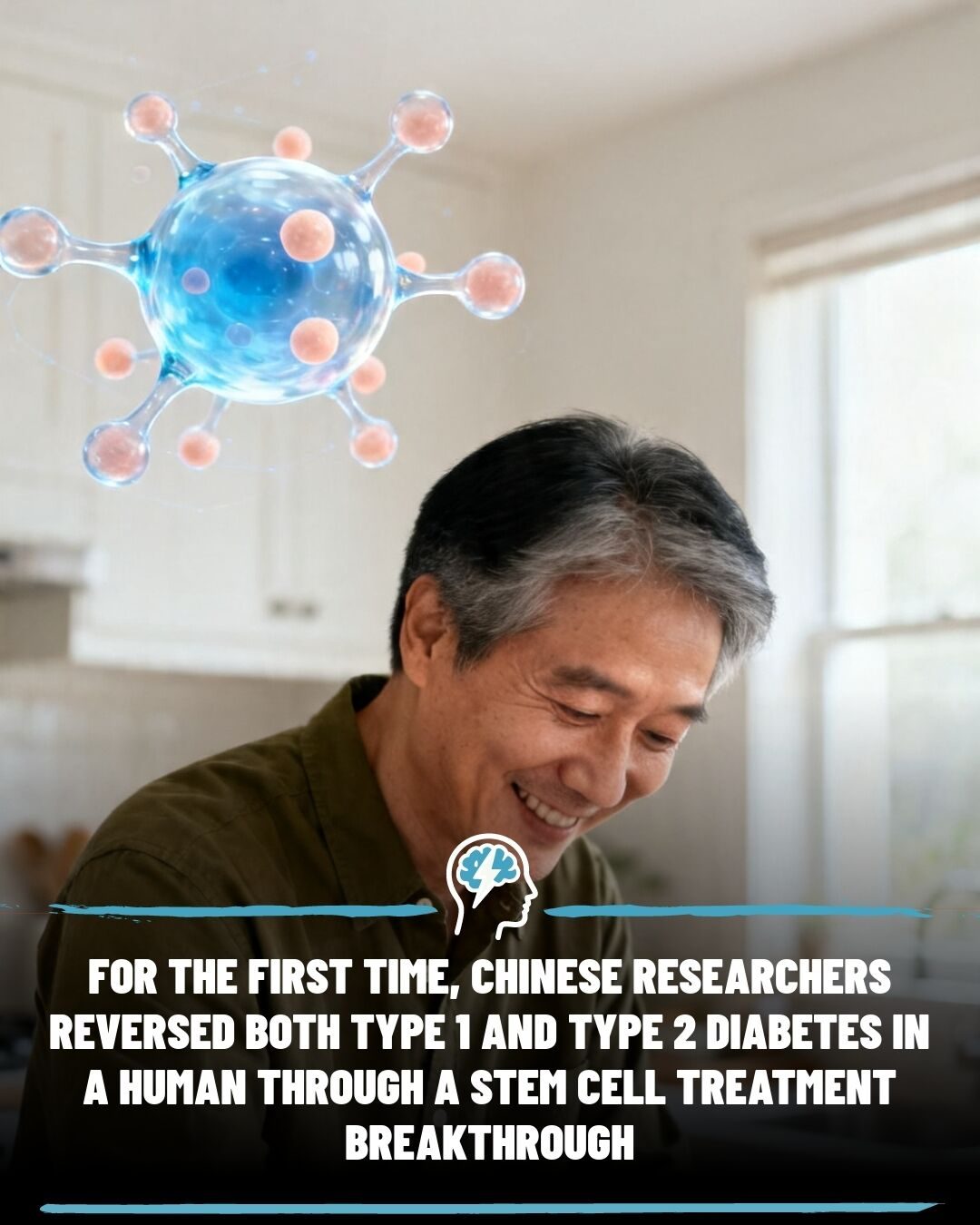
Diabetes Treatment Breakthrough: Stem Cell Therapy Holds Promise
Diabetes treatment has long been a focus of medical research, and recent developments in stem cell therapy are offering new hope for patients. Chinese researchers have reported significant progress in reversing both Type 1 and Type 2 diabetes through innovative stem cell treatments. This breakthrough could revolutionize how we approach diabetes management and potentially offer a path to insulin independence.
Context / Why this matters
Diabetes affects millions of people worldwide, with Type 1 diabetes (T1D) being an autoimmune condition where the body's immune system attacks and destroys the insulin-producing beta cells in the pancreas. Type 2 diabetes, on the other hand, is often associated with lifestyle factors and insulin resistance. Both types require careful management to control blood sugar levels and prevent complications. Traditional treatments involve insulin injections and lifestyle modifications, but these methods do not address the underlying cause of the disease. Stem cell therapy aims to regenerate the lost insulin-producing cells, potentially offering a more permanent solution.
The Science Behind the Breakthrough
The groundbreaking treatment involves reprogramming a patient's own fat cells into induced pluripotent stem cells (iPSCs). These iPSCs are essentially cellular "blank slates" that can be guided to differentiate into various cell types. In this case, the iPSCs were directed to become insulin-producing islet cells, which are typically lost in Type 1 diabetes. These new islet cells were then transplanted into the patient's abdomen.
Case Study: A 25-Year-Old Woman
One of the most compelling examples of this treatment's potential is a 25-year-old woman with Type 1 diabetes. After undergoing the stem cell therapy, she became completely insulin-independent and has remained off insulin for over a year. Within just 75 days of the treatment, her body began producing its own insulin. Her blood sugar levels stabilized at healthy ranges, and long-term glucose markers returned to non-diabetic levels. This success story highlights the transformative potential of stem cell therapy in diabetes treatment.
Main discussion
Understanding Stem Cell Therapy
Stem cell therapy involves using stem cells to treat or prevent a disease. Stem cells are unique because they have the ability to develop into many different cell types in the body. In the context of diabetes, stem cells can be reprogrammed to become insulin-producing cells, which can then be transplanted back into the patient's body.
Types of Stem Cells
There are several types of stem cells, including:
- Embryonic Stem Cells: Derived from embryos, these cells are pluripotent, meaning they can develop into any type of cell in the body. However, their use is controversial due to ethical concerns.
- Adult Stem Cells: Found in various tissues of the body, these cells are multipotent and can differentiate into a limited range of cell types.
- Induced Pluripotent Stem Cells (iPSCs): Created by reprogramming adult cells, such as skin or fat cells, into a pluripotent state. iPSCs are used in the recent breakthrough as they do not raise the same ethical concerns as embryonic stem cells.
The Process of Stem Cell Therapy for Diabetes
The process involves several key steps:
- Cell Collection: Fat cells are collected from the patient. These cells are chosen because they are easily accessible and can be harvested in large quantities.
- Reprogramming: The collected fat cells are reprogrammed into iPSCs in a laboratory setting. This involves introducing specific genes into the cells to make them pluripotent.
- Differentiation: The iPSCs are then guided to differentiate into insulin-producing islet cells. This process involves carefully controlled conditions and the use of growth factors and other biological signals.
- Transplantation: The newly created islet cells are transplanted back into the patient's body, typically into the abdomen. The goal is for these cells to integrate into the body's existing tissue and begin producing insulin.
Challenges and Considerations
While the results are promising, several challenges and considerations need to be addressed:
- Immune Response: Since Type 1 diabetes is an autoimmune condition, there is a risk that the body's immune system may attack the newly transplanted islet cells. Researchers are closely monitoring this aspect to ensure long-term success.
- Long-Term Efficacy: The current trial involves a small number of patients. Larger, longer-term studies are needed to confirm the treatment's effectiveness and safety.
- Regulatory Approval: Before this therapy can become widely available, it must undergo rigorous clinical trials and receive regulatory approval. This process ensures that the treatment is safe and effective for broader use.
Practical tips
For those interested in staying informed about the latest developments in diabetes treatment, here are some practical tips:
- Follow Reputable Sources: Stay updated with the latest research by following reputable medical journals and organizations.
- Engage with Healthcare Providers: Discuss any new treatment options with your healthcare provider to understand their potential benefits and risks.
- Participate in Clinical Trials: If eligible, consider participating in clinical trials to contribute to the advancement of medical research and potentially gain access to innovative treatments. Participating in clinical trials can offer access to cutting-edge treatments, but it's important to carefully consider the potential risks and benefits. Talk to your doctor, who can provide personalized information and guidance.
- Maintain a Healthy Lifestyle: Regardless of the treatment options available, maintaining a healthy lifestyle through diet, exercise, and regular check-ups is crucial for managing diabetes effectively.
Important takeaways
The Promise of Stem Cell Therapy
The recent breakthrough in diabetes treatment using stem cell therapy offers a glimmer of hope for patients. The ability to reprogram a patient's own cells into insulin-producing islet cells has the potential to revolutionize diabetes care. This therapy aims to address the root cause of the disease rather than just managing symptoms, which could significantly improve the quality of life for millions of people.
The Need for Further Research
While the initial results are promising, it is essential to recognize that this is still an early-stage treatment. Larger, longer-term studies are needed to confirm the therapy's efficacy and safety. Additionally, researchers must closely monitor the immune response to ensure that the body does not attack the newly transplanted cells.
Global Efforts in Stem Cell Research
The global scientific community is actively exploring stem cell therapies for diabetes. There are currently 143 clinical trials underway in 31 countries, with China leading the way with 47 active trials. This widespread interest and investment in research highlight the potential of stem cell therapy in diabetes treatment.
Conclusion
The recent advancements in stem cell therapy for diabetes represent a significant step forward in the field of medical research. The ability to reprogram a patient's own cells into insulin-producing islet cells offers a promising avenue for managing and potentially curing diabetes. While challenges remain, the potential benefits are substantial, and the global research community is actively working to overcome these obstacles. As research continues, the hope is that stem cell therapy could one day offer a more permanent solution for diabetes patients, shifting the focus from lifelong management to rebuilding what was lost.
Watch the Reel
Questions readers ask
What makes stem cell therapy a promising approach for diabetes treatment?
Stem cell therapy is promising because it has the potential to regenerate insulin-producing cells, which are lost or damaged in both Type 1 and Type 2 diabetes. By reprogramming a patient's own fat cells into functional islet cells, this approach aims to restore the body's natural insulin production, reducing or even eliminating the need for external insulin therapy.
How does the Chinese research on stem cell therapy differ for Type 1 and Type 2 diabetes?
The stem cell therapy approach is similar for both types of diabetes as it involves reprogramming fat cells into insulin-producing cells. For Type 1 diabetes, this is crucial because the body's immune system has attacked and destroyed these cells. For Type 2 diabetes, while the cells may still be present, they often do not function properly, so the new cells can help restore normal insulin function.
What are the potential benefits of using a patient's own fat cells for stem cell therapy?
Using a patient's own fat cells for stem cell therapy has several benefits. It reduces the risk of immune rejection since the cells are derived from the patient's own body. Additionally, this approach can potentially decrease the need for long-term immune-suppressing medications, which are often required in cell transplants.
Are there any ongoing or planned clinical trials for stem cell therapy in diabetes treatment?
As of recent advancements, while specific trials may not be detailed in the excerpt, Chinese researchers have shown promising results. Keep an eye on medical journals and clinical trial registries for updates on ongoing or upcoming trials related to diabetes stem cell treatments.
What does the future hold for diabetes treatment with stem cell therapy?
The future of diabetes treatment with stem cell therapy is promising. If successful, this approach could revolutionize how diabetes is managed, potentially offering a pathway to insulin independence. Ongoing research and clinical trials will provide more insights into the long-term effects and broader applications of this innovative treatment.
How does reprogramming fat cells into insulin-producing cells work?
Reprogramming fat cells into insulin-producing cells involves a process where specific genes are activated to transform the fat cells into functional islet cells. These islet cells can then produce insulin, mimicking the function of the pancreas. This process leverages the plasticity of stem cells to create new, functional cells that can replace those lost or damaged in diabetes.
What are the implications of Chinese researchers' findings for global diabetes management?
The findings from Chinese researchers offer a new avenue for global diabetes management. If this therapy proves effective in larger studies, it could provide a widely applicable treatment option, reducing the global burden of diabetes and improving the quality of life for millions of patients worldwide.
Recent articles
Fresh deep dives from the latest Reels we unpacked.




Comments
Be the first to comment.