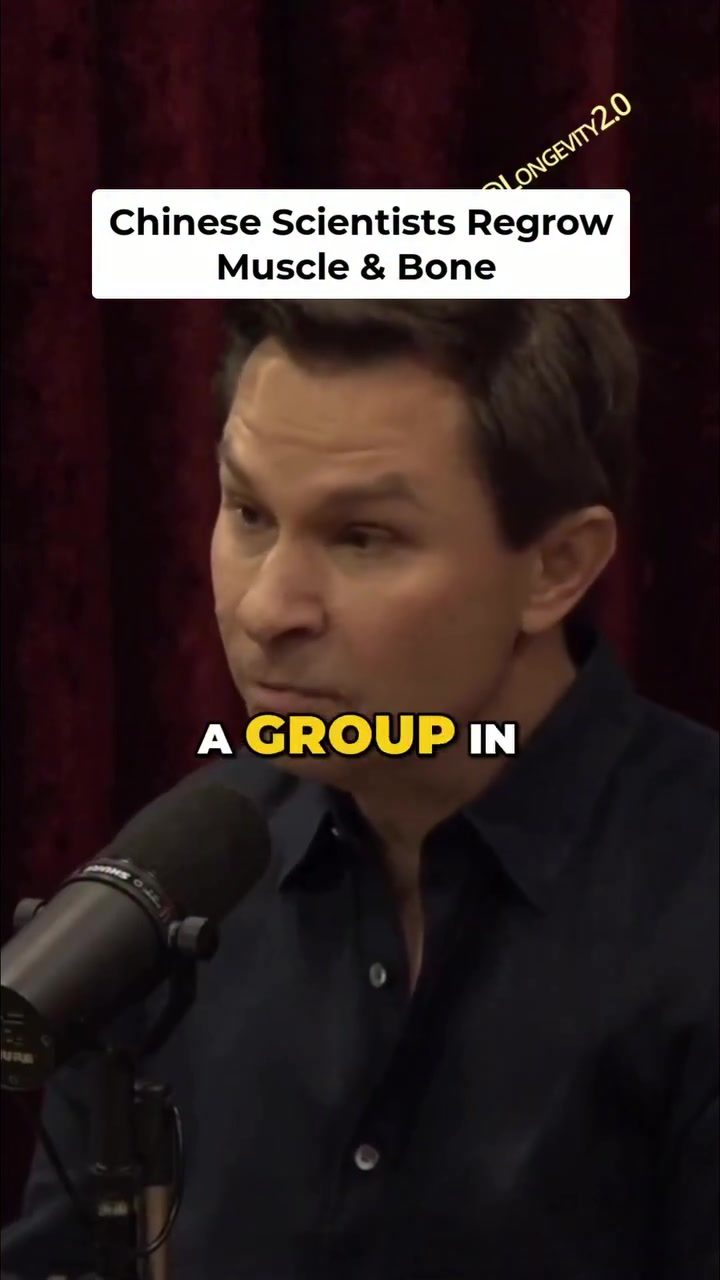
Regenerative Medicine: The Promise of OSK Technology
The potential of regenerative medicine to repair damaged tissues and even reverse aging is a topic of great interest. Recently, significant attention has been drawn to a particular technology known as OSK (Oct4, Sox2, and Klf4) cellular reprogramming. The technology has shown promising results in animal studies, particularly in the context of joint damage and regeneration.
Context / Why this matters
At its core, regenerative medicine aims to restore or establish normal function in damaged tissues and organs. While advances in this field have been incremental, recent research has highlighted the potential of OSK technology to accelerate tissue repair and even regrow muscle and bone. This is particularly significant for conditions like osteoarthritis, sports injuries, and age-related tissue degeneration, which impact millions of people worldwide.
OSK Technology: A Breakthrough in Tissue Regeneration
OSK technology involves the use of specific factors—Oct4, Sox2, and Klf4—that can reprogram cells to a more youthful state. This reprogramming process has been shown to induce the regeneration of muscle and bone in mice with joint damage. The implications of these findings are vast, as they suggest that similar approaches could potentially be used to treat a wide range of conditions in humans.
Treatment of Joint Damage and Osteoarthritis
One of the most promising applications of OSK technology is in the treatment of joint damage and osteoarthritis. Osteoarthritis is a degenerative joint disease characterized by the breakdown of cartilage and the underlying bone. Current treatments primarily focus on managing symptoms rather than reversing the damage. However, the results from studies using OSK reprogramming in mice offer a glimmer of hope. The technology has been shown to regrow muscle and bone, potentially providing a more effective solution for managing osteoarthritis and other joint-related issues.
Addressing Injuries and Tissue Degeneration
Beyond osteoarthritis, the potential of OSK technology extends to other forms of tissue damage and degeneration. Injuries, whether from sports, accidents, or everyday wear and tear, can lead to chronic pain and reduced mobility. The ability to regenerate damaged tissues could revolutionize the field of orthopedics, offering new hope for those suffering from long-term injuries. In addition, as the population ages, age-related tissue degeneration becomes a growing concern. This technology could help address these issues by promoting tissue repair and maintaining functional mobility.
Human Applications and Clinical Testing
While the results from animal studies are promising, it's important to note that human applications of OSK technology are still in the early stages. Extensive clinical testing is required to ensure the safety and efficacy of this approach in humans. Researchers must navigate the complexities of translating animal research into human therapies, addressing potential side effects, and optimizing treatment protocols. Although the journey from preclinical studies to clinical application is long and fraught with challenges, the potential benefits make it a worthy endeavor.
The Future of Regenerative Medicine
The ultimate goal of regenerative medicine is to develop therapies that can help aging tissues repair themselves. As research progresses, the hope is that technologies like OSK reprogramming will pave the way for more effective treatments that can address a wide range of conditions. The ability to regenerate damaged tissues could not only improve the quality of life for millions of people but also reduce the burden on healthcare systems.
Practical Tips
For those interested in the latest developments in regenerative medicine, staying informed about ongoing research and clinical trials is essential. Here are some practical steps you can take:
- Subscribe to Research Newsletters: Sign up for newsletters from reputable sources like longevity2.0Comment to stay updated on the latest findings and actionable strategies related to longevity and regenerative medicine.
- Follow Key Researchers: Keep an eye on researchers like Dr. David Sinclair, who are at the forefront of regenerative medicine. Following their work can provide valuable insights into emerging technologies and their potential applications.
- Participate in Clinical Trials: If you have a condition that could benefit from regenerative therapies, consider participating in clinical trials. This not only provides access to cutting-edge treatments but also contributes to the advancement of medical science.
- Maintain a Healthy Lifestyle: While regenerative medicine holds great promise, it's essential to take care of your health through a balanced diet, regular exercise, and proper medical check-ups. A proactive approach to health can complement the benefits of regenerative therapies.
Important Takeaways
The development of OSK technology represents a significant leap forward in the field of regenerative medicine. The ability to regenerate muscle and bone in mice with joint damage offers hope for the treatment of osteoarthritis, injuries, and age-related tissue degeneration. While the journey from preclinical studies to clinical application is complex, the potential benefits make it a worthwhile pursuit. Staying informed about the latest research and considering participation in clinical trials can help individuals benefit from this transformative technology.
Conclusion
Regenerative medicine, with its potential to repair damaged tissues and reverse aging, is at the forefront of modern medical research. The development of OSK technology and its promising results in animal studies highlight the exciting possibilities that lie ahead. As researchers continue to refine and test these technologies, the future of regenerative medicine looks brighter than ever. By staying informed and proactive, individuals can take advantage of these advancements and improve their overall health and well-being.
Watch the Reel
Questions readers ask
What is OSK technology and how does it contribute to tissue regeneration?
OSK technology involves reprogramming cells to a more youthful state using a combination of factors: Oct4, Sox2, and Klf4. This process has been shown to promote the regeneration of muscle and bone, particularly in cases of joint damage, making it a promising avenue for tissue regeneration.
How does OSK technology address joint damage and related conditions?
OSK technology has demonstrated the ability to regrow muscle and bone in mice with joint damage, offering a potential solution for conditions like osteoarthritis and sports injuries. By reprogramming cells to a more youthful state, OSK technology aims to go beyond symptom management, targeting the root cause of these issues.
What are the potential benefits of OSK technology for human tissue repair?
While primarily tested in mice, the successful regeneration of muscle and bone suggests that OSK technology could pave the way for innovative treatments in humans. This technology holds promise for more effective healing and could potentially reduce recovery times and improve outcomes for various injuries and conditions.
What role do animal studies play in the development of OSK technology?
Animal studies, particularly those involving mice, are crucial in understanding the efficacy and safety of OSK technology. These studies provide valuable insights into how cell reprogramming can be used to regenerate damaged tissues, which can then be translated into potential human applications.
Can OSK technology help in reversing aging effects on tissues?
Though not explicitly a goal, the potential of OSK technology to regenerate tissues and reverse aging effects is a notable side benefit. By reprogramming cells to a more youthful state, there is a possibility that this technology could mitigate age-related tissue degradation, offering broader applications in regenerative medicine.
What makes OSK technology different from other regenerative medicine approaches?
OSK technology stands out due to its focus on cellular reprogramming, which targets the cells' genetic state to promote tissue regeneration. Unlike other approaches that might rely on stem cells or growth factors, OSK technology directly influences the cells' ability to regenerate, potentially leading to more effective and durable results.
What are the next steps in developing OSK technology for clinical use?
The next steps involve further research to ensure the safety and efficacy of OSK technology in humans. This includes extensive preclinical testing and eventual clinical trials to validate the promising results seen in animal studies, with the ultimate goal of translating these findings into practical and widely available treatments.
Recent articles
Fresh deep dives from the latest Reels we unpacked.




Comments
Be the first to comment.