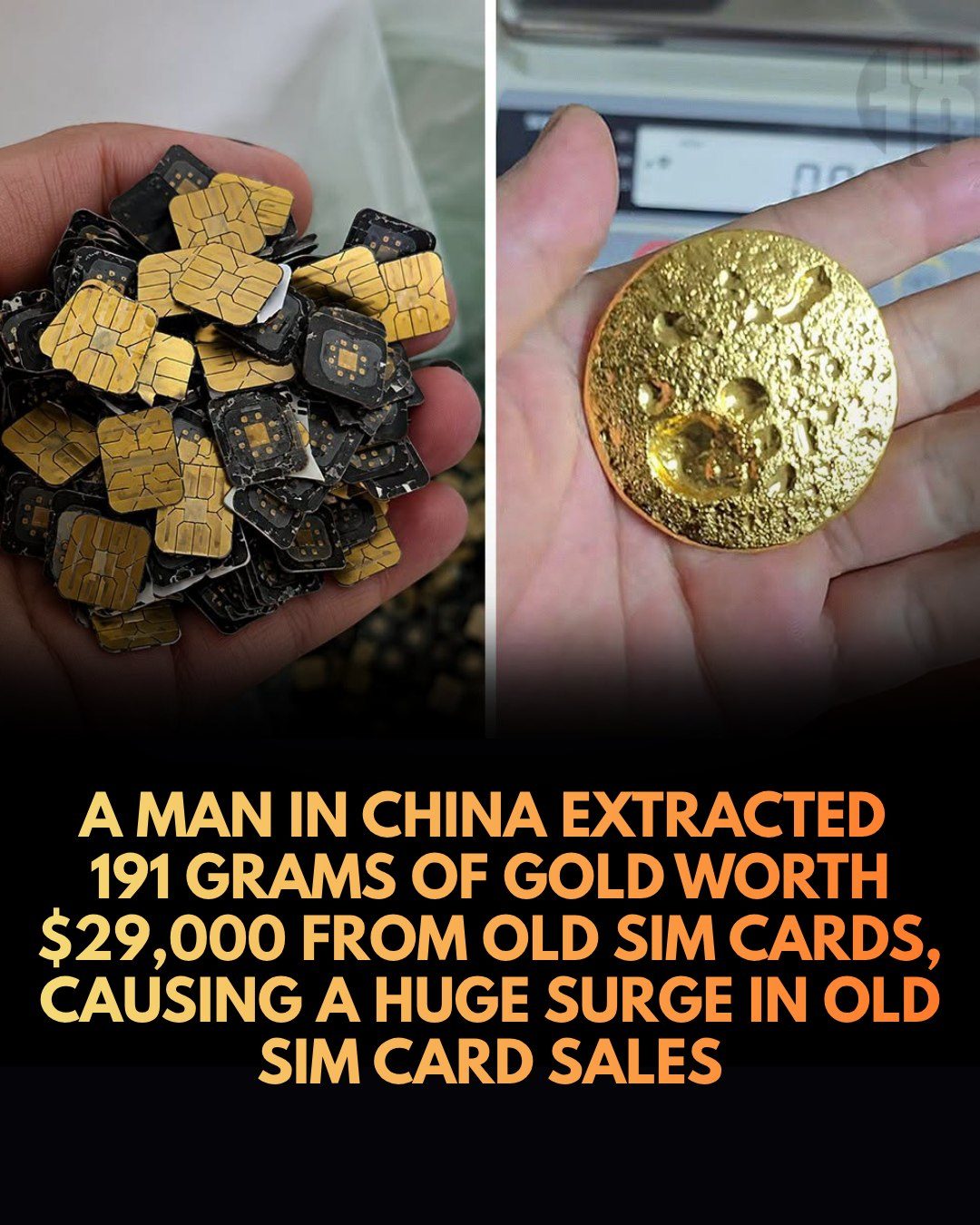
Gold Extraction from SIM Cards
The art of extracting gold from discarded electronics has garnered attention, especially after a man from Guangdong, China, managed to extract 191 grams of gold, valued at $29,000, from old SIM cards.
Why this matters
The extraction of precious metals from electronic waste is a burgeoning field, driven by both economic incentives and environmental concerns. As technology advances, the volume of electronic waste (e-waste) continues to grow, presenting both a challenge and an opportunity. The extraction process showcased by Qiao highlights the hidden value in discarded telecommunication devices and the potential for refinery.
The Process
Electronic Waste and Gold Content
Gold is a crucial component in many electronic devices, including SIM cards. These cards, which are used for identification and security in mobile devices, often contain gold plating. This gold plating and other components with precious metals contribute to the high value of the recovered metals.
Extraction Method
Qiao, a certified scrap metal refiner, used a complex chemical process to isolate the gold. The method involved several steps, including corrosion, filtration, and extreme heating. He employed approximately two tonnes of electronic and telecommunications waste, primarily consisting of gold-plated SIM cards and some electronic chips.
Here is a simplified breakdown of the process:
-
Corrosion: The gold-plated components are soaked in a mixture of concentrated nitric and hydrochloric acids, known as aqua regia, to dissolve the gold.
-
Filtration: The dissolved gold is separated from the other materials through filtration.
-
Extreme Heating: The filtered solution is heated to evaporate the acids, leaving behind the pure gold.
Challenges and Hazards
The process, while lucrative, is highly hazardous. Aqua regia is a dangerous substance that can release lethal toxic gases and cause severe chemical burns. The process requires careful handling and adherence to safety protocols. Additionally, it is illegal in many jurisdictions to engage in unauthorized backyard recycling of electronic waste due to the environmental and health risks involved.
The Surge in Sales
The demonstration by Qiao triggered a buying frenzy for old SIM cards and DIY gold-refining kits. Amateurs, inspired by the potential profits, began purchasing bulk shipments of used SIM cards. This surge in sales created a temporary market boom, reflecting the public's interest in uncovering hidden wealth within discarded electronics.
Gold Content in SIM Cards
The gold content in SIM cards is one of the key reasons why they are targeted for recycling. Each SIM card contains a small amount of gold, making large quantities of discarded SIM cards a valuable resource. However, extracting this gold requires significant effort and resources, making it a task best handled by professionals.
Market Implications
The sudden rise in demand for old SIM cards and DIY refinery kits has had a noticeable impact on the market. It highlights the potential for small-scale recycling operations and the need for more efficient and safe methods of extracting precious metals from e-waste.
Practical Tips
If you are interested in gold extraction from electronic waste, consider the following tips to ensure safety and efficiency:
-
Evaluate the Worth: Before attempting any extraction, assess the value of the metals in the scrap. Not all electronic waste contains significant amounts of gold, so it's crucial to determine the potential return on investment.
-
Seek Professional Assistance: Due to the hazardous nature of the process, it is advisable to work with professionals who have the necessary equipment and knowledge to handle the chemicals safely.
-
Legal Compliance: Ensure that you comply with local regulations regarding e-waste recycling and chemical disposal. Unauthorized recycling can result in severe penalties and environmental damage.
-
Safety First: Always prioritize safety. Wear protective gear, work in a well-ventilated area, and follow all safety protocols when handling hazardous chemicals.
Important Takeaways
Environmental Impact
While gold extraction from SIM cards offers economic benefits, it also poses environmental challenges. Improper disposal of chemicals and waste can lead to soil and water contamination, posing risks to human health and the environment. It is essential to adopt sustainable practices and regulations to mitigate these risks.
Economic Opportunities
The extraction process highlights the economic potential of e-waste. With the right resources, it can be a profitable venture. However, it also underscores the importance of professional expertise and adherence to safety guidelines. The surge in demand for old SIM cards demonstrates the public's interest in tapping into this hidden resource.
Safety and Legal Considerations
Extracting gold from electronic waste is not a task for amateurs. The process involves handling hazardous chemicals and adhering to strict safety protocols. It is crucial to be aware of the legal implications and potential risks involved.
Conclusion
The extraction of gold from old SIM cards by a man in Guangdong, China, has sparked interest and debate. While the process reveals the hidden value in discarded electronics, it also highlights the importance of safe, legal, and sustainable practices. As the volume of e-waste continues to grow, the need for efficient and environmentally friendly recycling methods becomes increasingly important.
Watch the Reel
Questions readers ask
How does one extract gold from old SIM cards?
To extract gold from old SIM cards, you typically need to dissolve the gold using a strong acid, such as nitric acid, followed by a process called precipitation, where gold is separated from other metals. This process requires careful handling of hazardous chemicals and proper disposal methods.
What makes extracting gold from e-waste, like old SIM cards, economically viable?
Extracting gold from e-waste can be economically viable due to the high value of gold. For instance, the man from Guangdong, China, extracted 191 grams of gold worth $29,000 from old SIM cards. The process not only recovers valuable materials but also addresses the growing issue of e-waste.
What are the risks associated with extracting gold from old electronics?
The process of extracting gold from old electronics involves handling hazardous chemicals, such as strong acids, which can be dangerous if not managed properly. Additionally, improper disposal of these chemicals can lead to environmental pollution, posing risks to both human health and the environment.
Why is recycling e-waste, such as old SIM cards, important?
Recycling e-waste is important because it helps to recover valuable materials like gold, which can be reused in various industries. Additionally, proper e-waste recycling reduces the amount of waste sent to landfills, minimizing environmental impact and conserving natural resources.
What are the environmental benefits of extracting gold from e-waste?
Extracting gold from e-waste reduces the need for mining new gold, which is an energy-intensive and environmentally damaging process. This helps to conserve natural resources and reduce the environmental footprint associated with gold production. Additionally, recycling e-waste helps to manage the growing problem of electronic waste, keeping hazardous materials out of landfills.
How does the gold extraction process from e-waste work?
The gold extraction process from e-waste typically involves several steps, including dismantling the electronic devices, separating the gold-bearing components, and then using chemicals to dissolve and extract the gold. The process may vary depending on the type of e-waste and the specific extraction methods used. The technique demonstrated by Qiao involves chemical solutions to dissolve the gold from the SIM cards.
What are some common methods for gold extraction from e-waste in China?
Common methods for gold extraction from e-waste in China include chemical leaching with acids, such as nitric acid, and smelting. These methods aim to dissolve and separate the gold from other materials in the e-waste, with smelting being a more industrial approach that requires melting the waste at high temperatures to extract the valuable materials.
Related deep dives
Similar reads based on topic and creator.




Recent articles
Fresh deep dives from the latest Reels we unpacked.




Comments
Be the first to comment.