The Three Gorges Pilot: A Marvel of Offshore Wind Energy
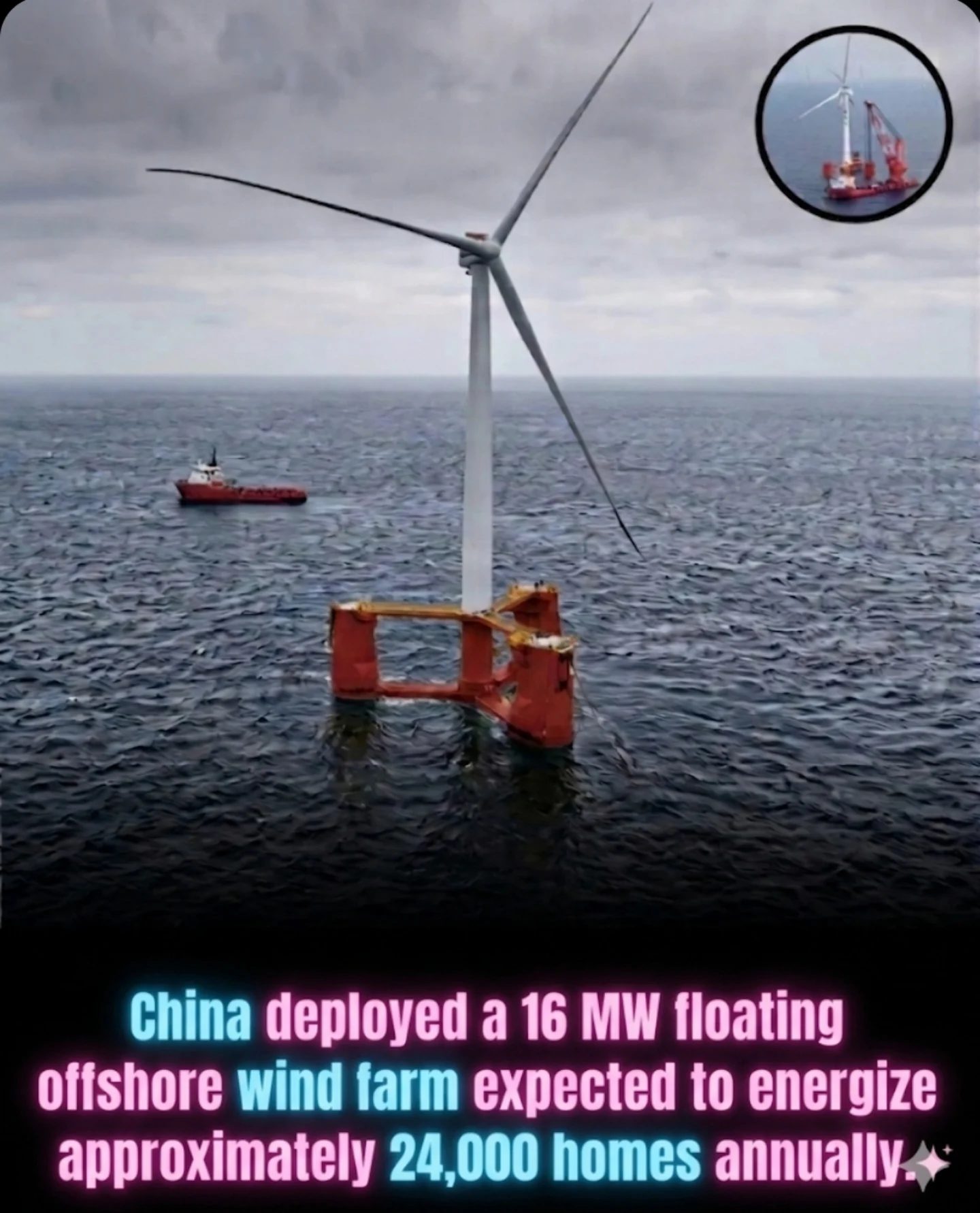
The Three Gorges Pilot, also known as Sanxia Linghang, is the world's largest single-unit floating offshore wind turbine system. This engineering marvel represents a significant advancement in renewable energy technology, particularly in harnessing wind power from the deep sea.
Why This Matters
Offshore wind energy is increasingly important as a source of renewable power. When compared to onshore wind farms, offshore installations can take advantage of stronger and more consistent winds at sea. This results in higher energy output and greater efficiency. The Three Gorges Pilot is a testament to the potential of this technology, offering insights into the capabilities and challenges of deep-sea wind energy projects.
Technical Specifications and Scale
The Three Gorges Pilot stands out due to its impressive technical specifications:
- Power Capacity: This turbine boasts an incredible 16 megawatts (MW) of single-unit capacity. This is remarkable for a single turbine, highlighting the technological advancements that make such a high output possible.
- Size: The rotor diameter measures 252 meters, creating a wind-swept area of approximately 50,000 square meters. To put this in perspective, that's roughly equivalent to seven standard soccer fields. The tip of the blade reaches an astonishing height of 270 meters.
- Foundation: The turbine is mounted on a semi-submersible floating platform that weighs around 24,100 tons and measures nearly 300 feet in length. This massive foundation provides the stability needed to support such a large and powerful turbine.
Location and Extreme Weather Technology
The Three Gorges Pilot is located 70 kilometers off the coast of Yangjiang, Guangdong Province. This area is known for its deep waters, exceeding 50 meters in depth, and its harsh environmental conditions. The region experiences waves over 20 meters (65 feet) and wind speeds exceeding 260 km/h.
- Typhoon Resistance: The platform is engineered to withstand Category 17 super typhoons, making it one of the most resilient structures of its kind. This durability is crucial for ensuring continuous operation in such a challenging environment.
- Active Ballast and Advanced Mooring: To handle the violent sways caused by extreme weather, the platform employs a smart active ballast system. This system automatically shifts internal water levels to maintain stability. Additionally, it is anchored to the seabed using nine ultra-high-strength elastic polyester fiber cables, capable of enduring 1,300 tons of tensile force.
Energy Output and Impact
The Three Gorges Pilot is designed to generate approximately 44.65 million kilowatt-hours (kWh) of clean electricity annually. This amount of energy is sufficient to power roughly 24,000 households each year. By significantly lowering the cost per kilowatt compared to older floating pilot designs, this turbine demonstrates the economic viability of large-scale offshore wind energy projects.
Practical Tips for Offshore Wind Turbine Installations
For those involved in the design and installation of offshore wind turbines, several practical tips can be derived from the Three Gorges Pilot:
- Invest in Robust Engineering: Ensure that the turbine and its foundation can withstand the harshest conditions, including extreme winds and waves.
- Optimize Power Capacity: Maximize the power output by using advanced technology to increase the turbine's capacity.
- Consider Location: Choose a location that offers consistent and strong winds, but also account for potential environmental challenges.
- Use Advanced Ballast Systems: Implement smart active ballast systems to maintain stability and minimize downtime due to weather conditions.
- Focus on Mooring Solutions: Develop and use mooring systems that can withstand significant tensile forces to keep the turbines securely in place.
Important Takeaways
The Three Gorges Pilot highlights several key points about the future of offshore wind energy:
- Technological Advancements: Modern wind turbines can achieve unprecedented power outputs and sizes, making them more efficient and cost-effective.
- Environmental Resilience: Offshore wind farms must be designed to withstand extreme weather conditions, including super typhoons and high waves.
- Economic Viability: Large-scale offshore wind projects can significantly lower the cost per kilowatt, making renewable energy more accessible and affordable.
- Energy Production: A single advanced turbine can power thousands of homes, demonstrating the potential of offshore wind energy to meet significant energy demands.
Conclusion
The Three Gorges Pilot represents a significant milestone in the development of offshore wind energy. Its impressive technical specifications, resilience to extreme weather, and high energy output make it a model for future projects. As the demand for renewable energy continues to grow, innovations like the Three Gorges Pilot will play a crucial role in meeting global energy needs while reducing our reliance on fossil fuels.
Watch the Reel
Related deep dives
Similar reads based on topic and creator.




Recent articles
Fresh deep dives from the latest Reels we unpacked.




Comments
Be the first to comment.