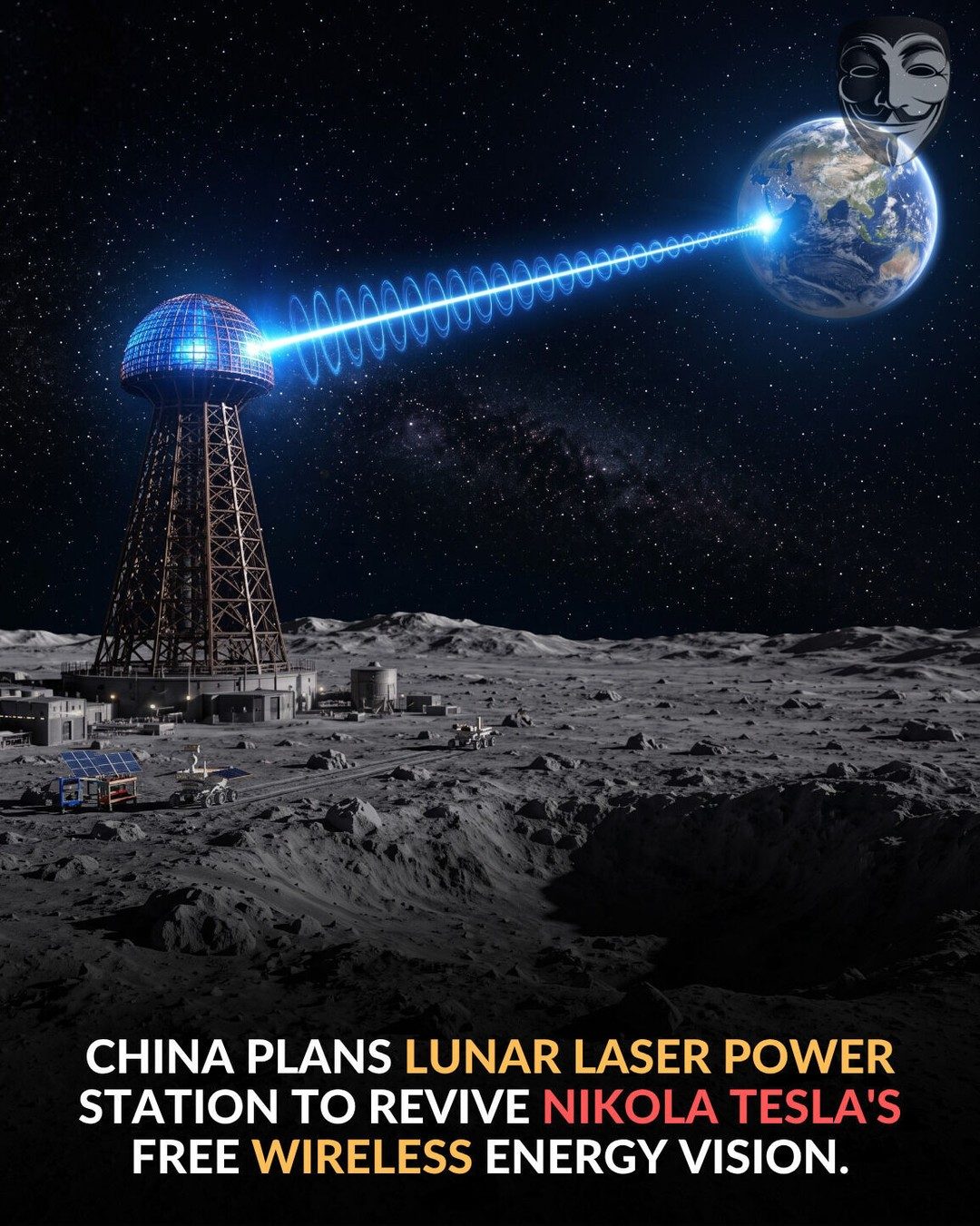
Lunar Laser Power Station
China's ambitious plans for a lunar laser power station aim to revive Nikola Tesla's vision of wireless energy. This innovative project involves developing a wireless laser power transmission system for the Moon. Researchers from the Harbin Institute of Technology are at the forefront, focusing on building solar-powered stations on sunlit lunar peaks. These stations will direct energy beams into permanently shadowed craters, providing power to rovers and equipment without the need for heavy cables.
Context and Why This Matters
The Moon presents unique challenges for energy distribution. Traditional power systems require extensive cabling, which is impractical and costly in the lunar environment. Wireless energy transmission, however, offers a viable solution. By harnessing solar energy and transmitting it wirelessly, scientists can power lunar operations more efficiently. This breakthrough could revolutionize space exploration and colonization efforts, making it easier to establish and sustain lunar bases.
Main Discussion
Nikola Tesla's Vision
Nikola Tesla's concept of wireless energy transfer dates back to the late 19th and early 20th centuries. He envisioned a world where energy could be transmitted without wires, revolutionizing how we power our devices and infrastructure. While Tesla's ideas were ahead of their time, recent advancements in laser technology have brought his vision closer to reality. China's lunar laser power station is a testament to this progress, aiming to beam energy from the Moon to power various lunar missions.
Technical Challenges and Solutions
Building a lunar laser power station involves overcoming several technical challenges. The primary hurdle is the efficient transmission of energy over vast distances. Laser beams offer a promising solution due to their high energy density and directional control. However, maintaining the integrity of the beam over the Earth-Moon distance requires advanced laser engineering. Researchers are developing optimized designs for wireless lunar power transmission networks to address these challenges.
Solar-Powered Stations
One of the key components of the lunar laser power station is the solar-powered stations. These stations will be strategically placed on sunlit lunar peaks, where they can maximize solar energy collection. The energy collected will then be converted into laser beams and directed towards permanently shadowed craters. These craters, which never receive direct sunlight, are ideal locations for powering rovers and equipment, as they provide stable and controlled environments.
Laser Engineering and Optimization
Laser engineering plays a crucial role in the success of the lunar laser power station. Researchers are developing advanced laser systems that can efficiently transmit energy over long distances. This includes optimizing the laser's wavelength, power, and beam quality to ensure minimal energy loss during transmission. Additionally, engineers are working on developing robust and reliable power conversion systems that can convert the received laser energy into usable electrical power.
Applications and Benefits
The lunar laser power station holds immense potential for space exploration. By providing a reliable and efficient power source, it can support long-term lunar missions and base operations. This includes powering scientific experiments, life support systems, and communication equipment. The ability to beam energy wirelessly also opens up new possibilities for exploring other celestial bodies, such as Mars, where similar power challenges exist.
Practical Tips
For those interested in following the progress of the lunar laser power station or similar projects, here are some practical tips:
- Stay Informed: Follow reputable sources like the Deep Space Journal, Aerospace Technology Review, and Global Science Observer for the latest updates and research on wireless lunar power transmission.
- Engage with Experts: Attend space exploration conferences and webinars where experts discuss the latest advancements in laser technology and lunar power systems.
- Explore Online Resources: Utilize online platforms and forums dedicated to space exploration and technology to connect with enthusiasts and professionals in the field.
Important Takeaways
- China's lunar laser power station aims to revive Nikola Tesla's vision of wireless energy transfer.
- The project involves building solar-powered stations on sunlit lunar peaks to beam energy into shadowed craters.
- Laser engineering and optimization are crucial for efficient energy transmission over long distances.
- This technology has the potential to revolutionize space exploration and colonization efforts.
Conclusion
China's lunar laser power station represents a significant step forward in space exploration and technology. By reviving Nikola Tesla's vision of wireless energy, this ambitious project aims to provide a reliable and efficient power source for lunar missions. The success of this endeavor could pave the way for future space exploration and colonization efforts, opening up new possibilities for scientific discovery and human presence in the cosmos.
Watch the Reel
Questions readers ask
What is China's Lunar Laser Power Station and how does it relate to Nikola Tesla's ideas?
China's Lunar Laser Power Station is an ambitious project that aims to transmit energy wirelessly on the Moon. The project revives Nikola Tesla's century-old concept of wireless energy by using solar-powered laser stations to beam energy to various lunar locations. This approach eliminates the need for heavy, extensive cabling, a significant challenge in the lunar environment.
How does the Lunar Laser Power Station plan to address the Moon's energy distribution challenges?
The Lunar Laser Power Station plans to solve energy distribution challenges by using wireless laser power transmission. Solar-powered stations located on sunlit lunar peaks will direct energy beams into permanently shadowed craters, providing power to rovers, equipment, and potential future human settlements. This method ensures power is available where it's needed, without the complications of traditional cabling.
What role does the Harbin Institute of Technology play in the development of the Lunar Laser Power Station?
Researchers from the Harbin Institute of Technology are leading the development of the Lunar Laser Power Station. They are focused on creating an efficient wireless laser power transmission system that can harness solar energy and beam it to various locations on the Moon. This work is crucial for advancing China's space energy revolution.
What are the potential benefits of the Lunar Laser Power Station for space exploration and lunar colonization?
The Lunar Laser Power Station could significantly impact space exploration and lunar colonization by providing a reliable, wireless energy source. This technology could power rovers, equipment, and habitats, making lunar missions more feasible and sustainable. Additionally, it could reduce the need for heavy, expensive cabling, lowering the overall cost and complexity of lunar activities.
Why is wireless energy transmission a viable solution for the Moon's energy needs?
Wireless energy transmission is a viable solution for the Moon's energy needs because it eliminates the challenges associated with traditional power systems. The lunar environment is harsh and makes the installation of extensive cabling impractical and costly. Laser power transmission can safely and efficiently deliver energy to remote and shadowed areas, ensuring continuous power supply for lunar missions.
What are the key components of China's lunar energy station plans?
Key components of China's lunar energy station plans include solar-powered stations situated on sunlit lunar peaks. These stations will generate energy from sunlight and transmit it wirelessly using laser beams to areas in perpetual shadow. This setup ensures that power is distributed efficiently and effectively across the lunar surface, supporting various missions and potential human settlements.
How might the Lunar Laser Power Station contribute to a space energy revolution?
The Lunar Laser Power Station could contribute to a space energy revolution by demonstrating the feasibility of wireless power transmission in space. Success on the Moon could pave the way for similar technologies to be developed and used on other planets or moons. This could lead to more sustainable and efficient space exploration, as well as the potential for powering human colonies beyond Earth.
Related deep dives
Similar reads based on topic and creator.




Recent articles
Fresh deep dives from the latest Reels we unpacked.




Comments
Be the first to comment.