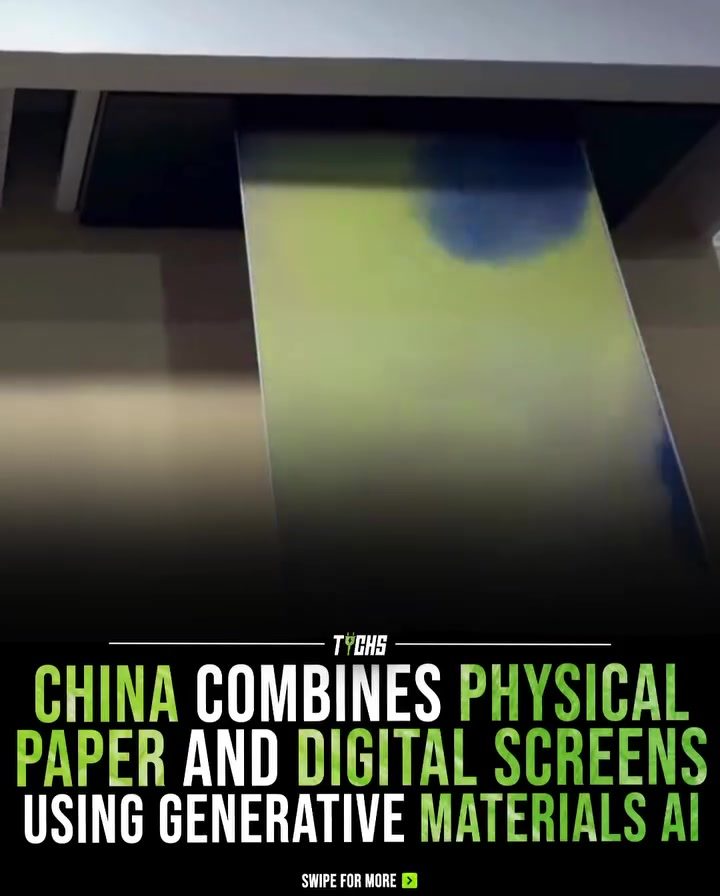
Combining Physical Paper and Digital Screens with Generative Materials AI
China is pioneering a groundbreaking approach that merges traditional paper with digital screens using generative materials AI. This innovative technology is set to transform how we interact with information, offering a blend of the tactile experience of paper and the dynamic capabilities of electronic displays.
Why This Matters
The integration of physical paper and digital screens holds significant potential for various applications, from reusable books and low-power displays to smart packaging and next-generation electronic paper. This technology addresses several contemporary challenges, including energy efficiency, durability, and environmental sustainability.
The Science Behind the Innovation
Generative Materials AI
At the heart of this innovation is generative materials AI, a cutting-edge field that applies AI to analyze and design complex molecular structures. By leveraging this technology, researchers have developed a new type of "digital-ink" material. This material retains the flexibility and tactile feel of traditional paper while incorporating the interactive capabilities of electronic displays.
The Digital-ink Material
The "digital-ink" material is a significant advancement in materials science. It combines the best of both worlds: the familiar, tactile experience of paper and the dynamic, updateable nature of digital screens. This material is designed to be more energy-efficient, durable, and environmentally friendly than current display technologies.
How It Works
Segmented Display Technology
The demonstration showcased a segmented display, which differs from conventional bent matrix displays. Unlike traditional screens that show images, this segmented display is designed to be sensitive but not to display images. This design choice allows for a more focused and efficient use of the material, enhancing its functionality and longevity.
On-Screen Text and Graphics
The screen integrates text and graphics seamlessly, providing a clear and engaging user experience. This integration is made possible by the AI-powered design, which ensures that the digital elements are perfectly aligned with the physical properties of the material.
Practical Tips for Implementing Generative Materials AI
Choosing the Right Material
When considering the implementation of generative materials AI, it is crucial to select the right material. The "digital-ink" material developed by researchers in China offers a unique combination of flexibility and functionality, making it an ideal choice for various applications.
Integrating AI into Design
Incorporating AI into the design process is essential for creating effective generative materials. This involves using AI to analyze and design complex molecular structures, ensuring that the material meets the desired specifications and performance criteria.
Ensuring Sustainability
Sustainability is a key consideration in the development and implementation of generative materials AI. By focusing on energy efficiency, durability, and environmental friendliness, this technology can contribute to a more sustainable future.
Important Takeaways
A New Era of Displays
The combination of physical paper and digital screens represents a new era in display technology. This innovation offers a more intuitive and interactive user experience, making it suitable for a wide range of applications.
Addressing Environmental Concerns
The development of this technology is a significant step toward addressing environmental concerns. By focusing on sustainability, researchers have created a material that is not only functional but also environmentally friendly.
The Future of Information Display
The future of information display lies in the integration of physical and digital elements. This technology paves the way for reusable books, low-power displays, and smart packaging, offering a more efficient and sustainable way to interact with information.
Conclusion
The integration of physical paper and digital screens using generative materials AI is a groundbreaking advancement in materials science and technology. This innovation offers a unique combination of flexibility and functionality, making it suitable for a wide range of applications. As this technology continues to advance, it has the potential to transform how we interact with information, contributing to a more sustainable and efficient future. By focusing on energy efficiency, durability, and environmental friendliness, researchers have created a material that not only meets the needs of today's users but also paves the way for future innovations.
Watch the Reel
Questions readers ask
What is generative AI technology and how is China using it to transform traditional paper?
Generative AI technology involves using neural networks to create content such as images, text, and audio. China is leveraging this technology to develop materials that combine the tactile feel of traditional paper with the dynamic capabilities of digital screens.
How does the integration of physical paper and digital screens benefit users?
This integration offers users the benefits of both worlds: the familiarity and comfort of traditional paper, along with the interactive and updatable features of digital screens. Additionally, it addresses contemporary challenges such as energy efficiency and environmental sustainability.
What are some potential applications of combining paper and digital screens with AI?
The technology has a wide range of applications, including reusable books that can update their content, smart packaging that can display real-time information, and next-generation electronic paper that mimics the look and feel of traditional paper while offering digital interactivity.
How does China's approach to generative AI materials differ from other advancements in AI?
China's approach is unique because it specifically focuses on creating materials that bridge the gap between physical and digital mediums. This is different from other AI advancements that might focus solely on software applications or digital content generation.
How does this innovative technology contribute to sustainability?
By creating reusable books and low-power displays, this technology reduces the need for constant paper production and disposal, contributing to a more sustainable environment. Additionally, the durable and recyclable nature of the materials used can further decrease environmental impact.
What makes China a leading player in the development of generative AI for paper display technologies?
China is at the forefront of this technology due to its significant investments in AI research and development. The country's focus on creating innovative materials that integrate traditional and digital mediums has led to breakthroughs in this area.
How might the future of publishing change with China's generative AI technology?
The future of publishing could see a shift towards digital books that offer the feel of traditional paper. These books could be updated with new content, reducing the need for physical storage and transportation of books, and making information more accessible and interactive.
Related deep dives
Similar reads based on topic and creator.

Recent articles
Fresh deep dives from the latest Reels we unpacked.




Comments
Be the first to comment.