The Ingredients of a Wildlife-Friendly Bridge
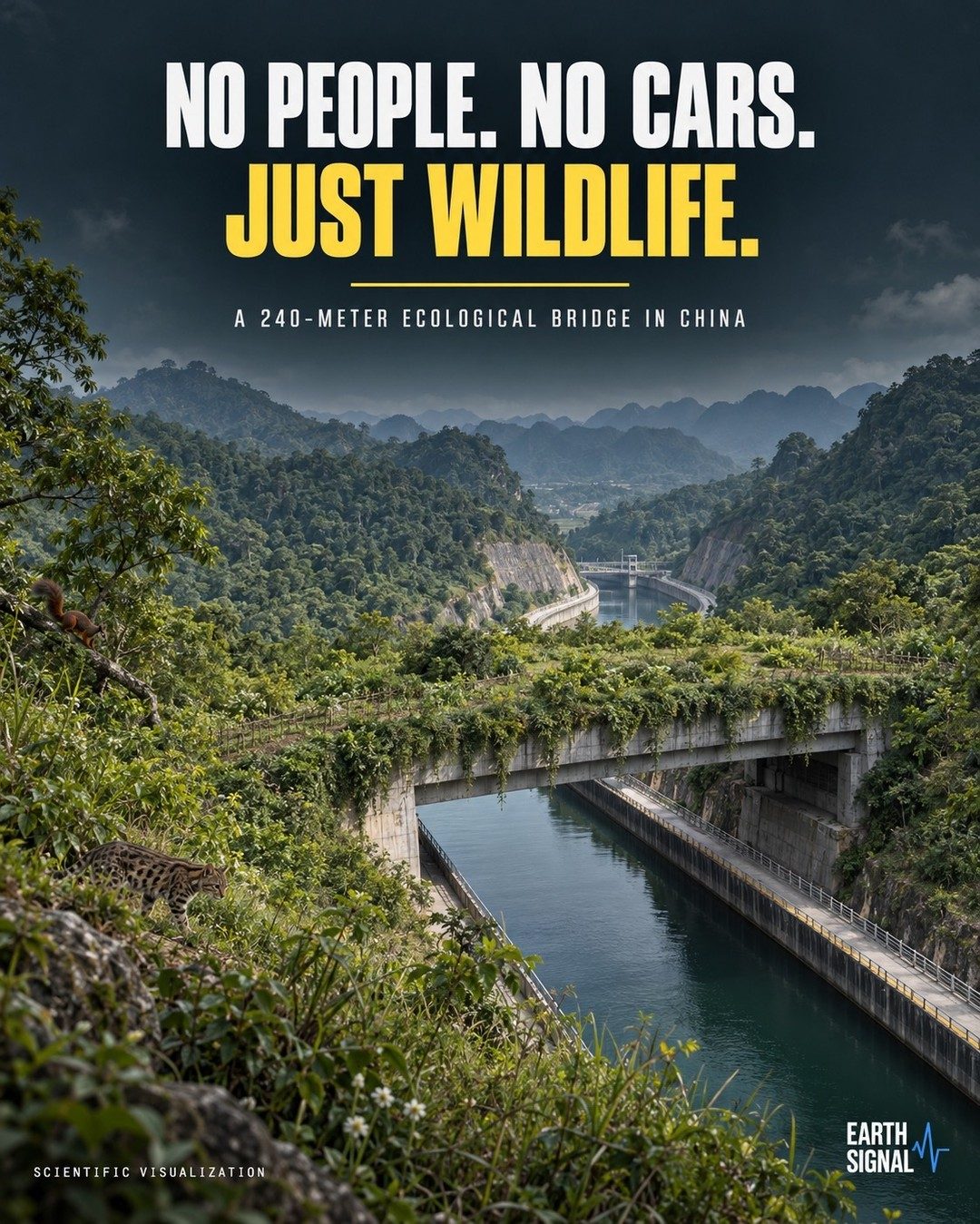
A 240-meter ecological bridge in China epitomizes the harmony between infrastructure and conservation. Built across the Pinglu Canal in Guangxi, this bridge is an explicit nod to the coexistence between urban development and wildlife preservation. The bridge is meticulously crafted and covered with soil and native vegetation, allowing animals, such as leopard cats, spotted linsangs, and red-bellied tree squirrels, to traverse the canal without any human or vehicular interference. The design is more than a structural feat. Emphasizing seamless integration with the surrounding environment underscores its eco-centricity. The bridge doesn’t merely connect two points; it bridges the gap between human development and wildlife conservation. This is a remarkable example of prioritizing nature within the framework of human activity. Just as the bridge forms a passage for wildlife, it also signifies a passage towards a more eco-conscious future.
Echoes of the Wild
The bridge’s inclusion of native vegetation and soil not only enhances the aesthetic integration, but also ensures it’s a safe habitat for wildlife. The native plants also help in maintaining the local ecology by providing food and shelter for the local species. This focus on ecological preservation extends beyond the bridge, impacting the biodiversity of the region positively. The Pinglu Canal area has a rich ecosystem, making it crucial to ensure the safety of the species that thrive there. The absence of human activity around the bridge means that insects, birds, and other species can continue their natural rhythms undisturbed. This absence of disruption creates a safer, quieter haven for wildlife. Indeed, the bridge’s primary aim is not to come in the way.
Life on Land, Water, and Air
This 240-meter long bridge includes habitats for animals of all kinds. Not just land animals can make use of the bridge; birds, insects, and amphibians are likely to traverse it too. These species often travel from one part of their habitat to another and can get disrupted by humans. The bridge, however, provides them a corridor to travel freely. In fact, the bridge can be seen as a step towards harmonizing wildlife with the navigating infrastructural challenges. In the absence of human activity, this crossing can become a safe haven for not just the big animals, but the smaller ones as well.
Where People Meet the Wild
Wildlife and open spaces are in conflict with infrastructure and human activity. This is where scientific visualization comes into the picture. The bridge, presented as a “scientific visualization”, is where human activity and infrastructure merge with the natural world. This unique collaboration between urban planners and conservationists highlights the importance of using scientifically researched pathways when planning infrastructure. For instance, the bridge could act as a model for future developments.
Watch the Reel
Related deep dives
Similar reads based on topic and creator.


Recent articles
Fresh deep dives from the latest Reels we unpacked.
Comments
Be the first to comment.