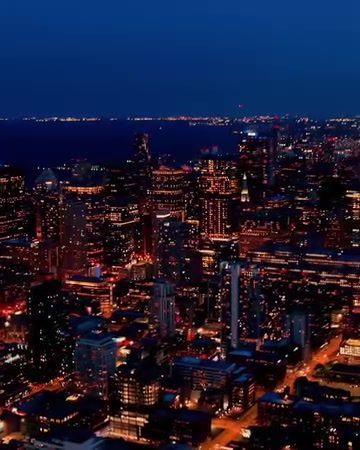
Night Cityscape: The Beauty of Chicago’s Skyline
Chicago's skyline is a symphony of architectural marvels and vibrant energy, especially when viewed from a high-angle perspective at night. The city's iconic buildings, illuminated against the dark sky, create a mesmerizing tableau that captures the essence of urban life. The golden glow of the setting sun or the dazzling lights of the nightlife add a magical touch, making the cityscape a subject of endless admiration.
Why This Matters
Chicago’s nighttime skyline is more than just a visual spectacle. It is a testament to the city's rich history, innovative architecture, and the dynamic energy of its residents. Whether you are a local or a visitor, the skyline offers a unique perspective on the city's character. The interplay of natural and artificial lighting creates a visual narrative that reflects the city's evolution over time.
Iconic Architecture
Chicago is renowned for its architectural diversity, ranging from historic landmarks to modern skyscrapers. The city's skyline is a blend of different architectural styles, each contributing to the overall aesthetic. Some of the most iconic buildings include the Willis Tower, the John Hancock Center, and the Tribune Tower.
Willis Tower: Formerly known as the Sears Tower, the Willis Tower is one of the most recognizable landmarks in Chicago. Its distinctive black facade and twin towers stand out against the night sky, making it a focal point in the city's skyline. The building houses the Skydeck, which offers breathtaking views from the 103rd floor.
John Hancock Center: Also known as the 875 North Michigan Avenue, the John Hancock Center is another iconic structure. With its sleek, modern design and its observation deck, the 360 Chicago, it offers panoramic views of the city. The building is particularly striking when illuminated, with its blue and white lights creating a mesmerizing visual effect.
Tribune Tower: The Tribune Tower, located at 435 North Michigan Avenue, is a historic landmark that has stood the test of time. The building’s neo-Gothic architecture and its notable stonework make it a unique addition to the skyline. Its iconic tower with arches and spires stands tall, an enduring symbol of Chicago's architectural legacy.
Golden Hour and Nightlife
The transition from day to night in Chicago is a visual spectacle in itself. During the golden hour, the setting sun casts a warm, golden glow over the city, creating a gentle, serene atmosphere. This period of soft, diffused light transforms the skyline, highlighting the intricate details of the buildings and casting long, dramatic shadows.
As the sun dips below the horizon, the city comes alive with vibrant nightlife. The buildings are bathed in an array of colors, from cool blues and purples to warm oranges and reds. The reflection of the city lights on the surrounding water bodies, such as Lake Michigan, adds a surreal touch to the scene, creating a mirror-like effect that doubles the visual impact.
Practical Tips for Enjoying Chicago’s Skyline
For those looking to experience Chicago's nighttime skyline firsthand, here are some practical tips to enhance your experience:
-
Best Viewing Spots: Some of the best spots to view the skyline include the Skydeck at the Willis Tower, the 360 Chicago observation deck at the John Hancock Center, and the Adler Planetarium. Each of these locations offers a unique vantage point, providing different perspectives on the cityscape.
-
Timing Your Visit: To capture the best views, plan your visit during the golden hour or after sunset. The transition from day to night offers a dynamic range of lighting conditions, making for a more visually compelling experience.
-
Weather Considerations: Chicago’s weather can be unpredictable, so it’s a good idea to check the forecast before heading out. Clear skies offer the best views, but even on overcast nights, the city lights can create a unique and captivating atmosphere.
-
Photography Tips: For photography enthusiasts, a tripod and a wide-angle lens can help capture the full extent of the skyline. Experimenting with different shutter speeds and ISO settings can also enhance the visual impact of your photos.
Important Takeaways
Chicago's nighttime skyline is a testament to the city's architectural diversity, rich history, and dynamic energy. From the iconic Willis Tower to the breathtaking golden hour, the city offers a visual feast that captivates both residents and visitors alike. The interplay of natural and artificial lighting creates a mesmerizing tableau that reflects the city's character and evolution.
Conclusion
The magic of Chicago’s skyline lies in its ability to captivate and inspire, whether it’s the golden glow of the setting sun or the vibrant lights of the nightlife. By understanding the iconic architecture, the best viewing spots, and the unique lighting conditions, you can fully appreciate the beauty and energy of this dynamic city. Whether you're a local or a visitor, the skyline of Chicago is a visual experience that should not be missed.
Watch the Reel
Questions readers ask
What are the most iconic buildings to see in Chicago's night skyline?
Chicago's night skyline is famous for several iconic buildings. The Willis Tower, formerly known as the Sears Tower, is a must-see with its distinctive silhouette. The John Hancock Center, now known as 875 North Michigan Avenue, is another architectural gem that stands out with its sleek design. Additionally, the Tribune Tower and the Wrigley Building add to the city's rich history and vibrant atmosphere.
What are the best locations to view Chicago's night skyline?
For the most breathtaking views of Chicago's night skyline, consider visiting the Skydeck Chicago at the Willis Tower, which offers panoramic views from the 103rd floor. The 360 Chicago Observation Deck at the John Hancock Center provides a thrilling experience with its TILT feature. Other notable spots include the Adler Planetarium and the Lakefront Trail, which offer stunning vistas of the city's lights reflecting on the water.
Why is Chicago's night skyline so mesmerizing?
Chicago's night skyline is mesmerizing due to the unique blend of historic and modern architecture, all beautifully illuminated against the dark sky. The city's dynamic energy, combined with the golden glow of the setting sun or the dazzling city lights, creates a magical tableau that captivates both locals and visitors.
What makes Chicago's architecture unique during the night?
Chicago's architecture is unique at night because of the way its buildings are lit up, highlighting their distinctive designs and historical significance. The interplay of light and shadow creates a dramatic effect, making even familiar structures appear new and exciting. This illuminated landscape tells a story of the city's past and present, making it a rewarding experience for anyone interested in urban exploration.
Is photography of Chicago's night skyline popular?
Yes, photography of Chicago's night skyline is incredibly popular. The city's vibrant lights and iconic buildings provide endless opportunities for stunning photographs. Many photographers and visitors alike flock to spots like the Skydeck at Willis Tower and the 360 Chicago Observatory to capture the city's magic at night.
How does the night skyline reflect Chicago's rich history?
Chicago's night skyline reflects the city's rich history through its mix of historic and modern buildings. Structures like the Wrigley Building and the Tribune Tower, which are over 100 years old, stand alongside contemporary skyscrapers, showcasing the evolution of the city's architecture. This blend of old and new creates a visual narrative that highlights Chicago's growth and innovation.
Related deep dives
Similar reads based on topic and creator.




Recent articles
Fresh deep dives from the latest Reels we unpacked.




Comments
Be the first to comment.