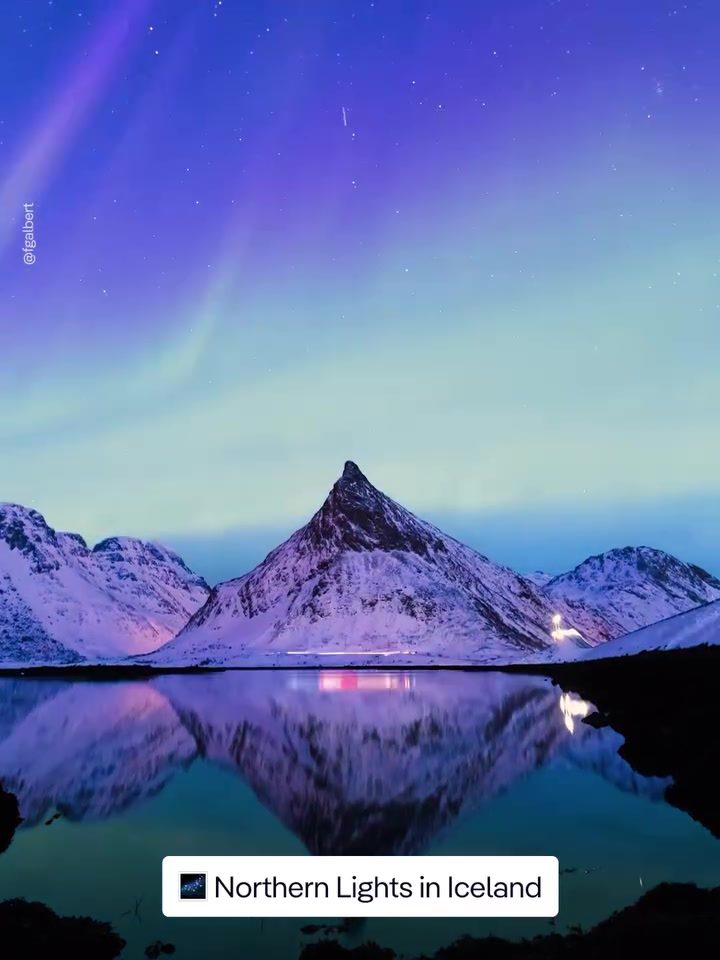
Northern Lights in Iceland
Iceland stands out as a premier destination for experiencing the awe-inspiring Northern Lights. The country's unique geological and atmospheric conditions create the perfect backdrop for witnessing this natural phenomenon. The optimal time to view the Northern Lights in Iceland is from September to March, when the nights are longest and darkest.
Context
Why this matters
The Northern Lights, or Aurora Borealis, are a natural light display that occurs in the sky, predominantly seen in high-latitude regions near the Arctic and Antarctic. Iceland's geographical location, situated just below the Arctic Circle, makes it an ideal place to observe this stunning display. The phenomenon is caused by the interaction of solar particles with Earth's magnetic field, resulting in a dance of vibrant colors that paint the night sky.
The Northern Lights are more than just a visual spectacle; they are a cultural and natural heritage that has captivated travelers for centuries. Iceland, with its rugged landscapes and clear skies, offers an unparalleled setting for this celestial event. The country's commitment to preserving its natural beauty and sustainable tourism practices ensures that visitors can experience the aurora in a pristine environment.
Main discussion
Optimal Viewing Conditions
Dark Skies
Iceland's long, dark nights during the winter months provide the perfect conditions for viewing the Northern Lights. The lack of light pollution in many areas of the country enhances the visibility of the aurora, making it a breathtaking sight. Areas like the Snæfellsnes Peninsula, the Golden Circle, and the Westfjords are particularly renowned for their clear skies and lack of artificial light.
Clear Weather
While the weather in Iceland can be unpredictable, clear nights are essential for optimal aurora viewing. The best time to plan a trip is during the winter months, from September to March, when the chances of clear skies are higher. It's also advisable to check local weather forecasts and aurora forecasts to plan your viewing sessions effectively.
Geological Features
Iceland's unique geological features, such as volcanoes, glaciers, and geysers, add to the allure of the Northern Lights. The contrast between the vibrant colors of the aurora and the stark, otherworldly landscapes creates a surreal and unforgettable experience. The vibrant green and purple hues of the aurora borealis reflected in the calm body of water enhance the natural beauty of the surroundings.
Best Spots for Viewing
Reykjavik
Reykjavik, the capital city, is a great starting point for aurora hunting. While the city itself has some light pollution, nearby areas offer stunning views. The Grótta Lighthouse and Öskjuhlíð Hill are popular spots where you can escape the city lights and get a clear view of the Northern Lights. Additionally, numerous tours and excursions are available from Reykjavik, making it convenient for travelers to plan their aurora viewing experience.
Thingvellir National Park
Thingvellir National Park, a UNESCO World Heritage Site, is known for its historical significance and natural beauty. The park's clear skies and lack of light pollution make it an ideal spot for viewing the Northern Lights. The combination of the aurora and the park's geological wonders, such as the Almannagjá canyon and the Þingvallavatn lake, offers a unique and memorable experience.
The Snæfellsnes Peninsula
The Snæfellsnes Peninsula is often referred to as "Iceland in Miniature" due to its diverse landscapes and stunning natural features. The peninsula's remote location and clear skies make it an excellent spot for viewing the Northern Lights. The contrast between the vibrant colors of the aurora and the rugged coastline, black sand beaches, and volcanic landscapes creates a mesmerizing sight. The peninsula is also home to the iconic Kirkjufell mountain, a popular spot for photography and aurora viewing.
The Westfjords
The Westfjords region is one of the most remote and least populated areas in Iceland, making it an ideal location for viewing the Northern Lights. The region's rugged landscapes, fjords, and mountains provide a breathtaking backdrop for the aurora. The lack of light pollution and clear skies make the Westfjords a prime spot for aurora hunting. The region is also home to the Dynjandi waterfall, one of the most beautiful waterfalls in Iceland, which adds to the natural beauty of the area.
Cultural Significance
The Northern Lights hold a special place in Icelandic culture and folklore. Ancient Icelanders believed the aurora to be a reflection of the gods' activities, and it continues to inspire artists, writers, and musicians today. The natural phenomenon has also been the subject of numerous scientific studies, contributing to our understanding of the Earth's atmosphere and magnetosphere.
Practical tips
Planning Your Trip
When planning a trip to Iceland to see the Northern Lights, there are several factors to consider:
- Timing: As mentioned, the best time to visit is during the winter months, particularly from September to March, when the nights are long and dark.
- Location: Choose a location with minimal light pollution and clear skies. Reykjavik, Thingvellir National Park, the Snæfellsnes Peninsula, and the Westfjords are all excellent choices.
- Weather: Keep an eye on weather forecasts and aurora forecasts. Clear skies are essential for optimal viewing.
- Tours and Guides: Consider joining a guided tour or excursion. Local guides are familiar with the best spots and can provide valuable insights and tips.
Essential Gear
To make the most of your Northern Lights experience, bring the following:
- Warm Clothing: Iceland's winter weather can be harsh, so dress in layers and wear thermal clothing, a warm coat, gloves, and a hat.
- Camera Equipment: A camera with manual settings, a tripod, and a remote shutter release can help you capture the vibrant colors of the aurora. Bring extra batteries and memory cards, as the cold weather can drain batteries quickly.
- Binoculars: Binoculars can enhance your viewing experience by allowing you to see the finer details of the aurora.
Safety Tips
While viewing the Northern Lights, it's important to prioritize safety:
- Dress Appropriately: Wear warm, waterproof clothing to protect against the cold and wet conditions.
- Stay Alert: Be aware of your surroundings, especially if you are in a remote area. The darkness and cold can make it easy to lose track of time and distance.
- Follow Local Guidelines: Respect local regulations and guidelines, and stay on marked trails to minimize your impact on the natural environment.
- Stay Informed: Stay updated on weather conditions and aurora forecasts to ensure a safe and enjoyable experience.
Important takeaways
- Iceland is a premier destination for viewing the Northern Lights due to its unique geographical and atmospheric conditions.
- The optimal time to view the aurora is from September to March, during the long, dark nights.
- Popular spots for viewing the Northern Lights include Reykjavik, Thingvellir National Park, the Snæfellsnes Peninsula, and the Westfjords.
- The Northern Lights hold significant cultural and scientific value, making them a must-see natural phenomenon.
- Prep correctly with warm clothing, proper camera gear, and safety guidelines for an enjoyable and safe experience.
Conclusion
Iceland’s Northern Lights offer a once-in-a-lifetime experience that combines natural beauty with cultural significance. Whether you’re a seasoned traveler or a first-time visitor, witnessing the vibrant hues of the Aurora Borealis against the backdrop of Iceland's stunning landscapes is an unforgettable journey. With the right planning, gear, and safety precautions, your trip to Iceland can be a memorable adventure that you’ll cherish for years to come.
Watch the Reel
Questions readers ask
Why are the months from September to March the best for seeing the Northern Lights in Iceland?
These months offer the longest and darkest nights, providing ideal conditions for viewing the Aurora Borealis. The extended hours of darkness increase the chances of spotting the lights, as they are more visible in a darker sky.
Can you see the Northern Lights in Iceland during the summer months?
While it is possible to see the Northern Lights in Iceland during the summer, the chances are significantly lower due to the extended daylight hours. The long nights from September to March provide a much better opportunity for viewing.
What makes Iceland a premier destination for viewing the Northern Lights?
Iceland's location just below the Arctic Circle, combined with its clear skies and minimal light pollution, creates optimal conditions for viewing the Aurora Borealis. The country's unique geography and atmospheric conditions enhance the viewing experience.
Are there specific tips for viewing the Northern Lights in Iceland?
To maximize your chances of seeing the Northern Lights, plan your trip between September and March, choose a location away from city lights, and dress appropriately for the weather. Additionally, staying updated with the weather forecast and aurora activity can enhance your viewing experience.
What are the peak viewing months for the Northern Lights in Iceland?
The peak viewing months for the Northern Lights in Iceland are from September to March, with the most optimal times being from late September to mid-April. During these months, the nights are longest and darkest, providing the best conditions for viewing.
Can you see the Northern Lights in Iceland during the equinox?
Yes, the equinox in September and March can be particularly good times to see the Northern Lights in Iceland. The equinox does not specifically cause the Northern Lights but during these months the nights are longer and darker, improving viewing conditions.
Related deep dives
Similar reads based on topic and creator.


Recent articles
Fresh deep dives from the latest Reels we unpacked.




Comments
Be the first to comment.