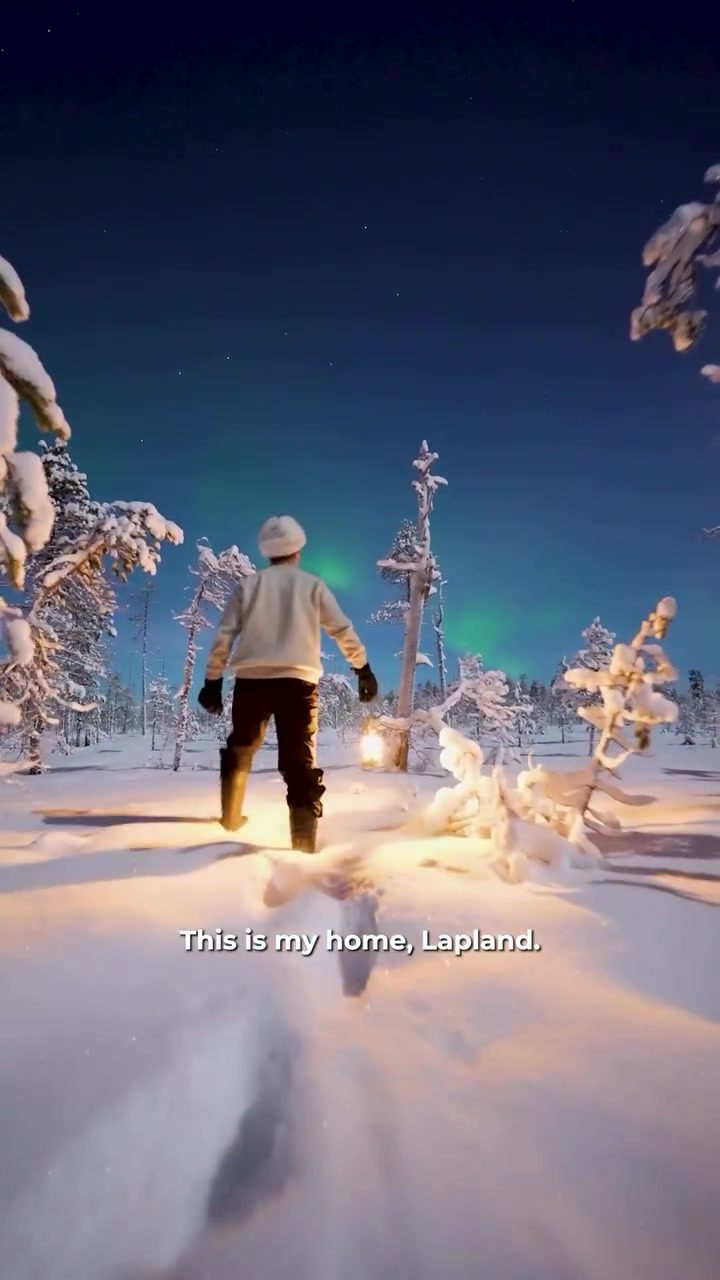
Lapland Winter Experience
Lapland, Finland, is a winter paradise, renowned for its snowy landscapes and the mesmerizing Northern Lights. This magical destination offers a unique blend of natural beauty and cultural experiences, making it an ideal spot for winter enthusiasts and Aurora hunters alike. From the best locations to view the Northern Lights to practical tips on timing and local engagement, Lapland promises an unforgettable adventure.
Why this matters
Lapland's allure lies in its unspoiled wilderness and the enchanting phenomenon of the Northern Lights. The Aurora Borealis, a natural light display in the Earth's sky, is a spectacle that draws visitors from around the world. Lapland's remote and pristine landscapes provide some of the best viewing conditions, making it a prime destination for those seeking to witness this natural wonder.
Main discussion
The Magic of the Northern Lights
The Northern Lights, or Aurora Borealis, are a natural light display that occurs in the high-latitude regions near the Arctic and Antarctic. In Lapland, the lights are particularly vibrant and frequent due to the region's geographical location and clear skies. The lights appear as dancing ribbons of color, typically green, but can also be pink, red, yellow, blue, and violet.
Best Places to View the Northern Lights
Lapland offers several prime locations to view the Northern Lights. Some of the best spots include:
- Rovaniemi: Known as the "Official Hometown of Santa Claus," Rovaniemi is a popular destination for both Christmas enthusiasts and Aurora hunters. The city offers clear skies and minimal light pollution, making it an ideal spot to view the lights.
- Urho-Kekkonen National Park: This national park covers a vast area of untouched wilderness. It provides an excellent backdrop for viewing the Northern Lights, with various trails and cabins available for accommodation.
- Kilpysjärvi: A remote area with minimal light pollution, Kilpysjärvi offers a serene and unspoiled environment for Aurora viewers. It's perfect for those looking to escape the hustle and bustle of city life.
Timing Your Visit
Timing is crucial when it comes to viewing the Northern Lights. The best time to visit Lapland for Aurora viewing is from September to March, during the polar night. During this period, the nights are long and dark, providing more opportunities to see the lights.
Key Tips for a Successful Aurora Hunt
Best Months for Viewing
The Aurora Borealis is visible from September to late April. However, the peak viewing months are from December to February, when the nights are longest and darkest.
Checking the Forecast
Before heading out, check the aurora forecast. Websites and apps provide real-time updates on geomagnetic activity, which can help predict the likelihood and intensity of the Northern Lights.
Dressing for the Occasion
Lapland's winter temperatures can drop significantly, so it's essential to dress warmly. Layering is key, with a base layer of thermal underwear, a mid-layer of insulating material, and an outer layer of windproof and waterproof clothing. Don't forget a warm hat, gloves, and insulated boots.
Finding the Darkest Skies
Light pollution can significantly reduce visibility of the Northern Lights. Therefore, it's best to head to remote areas with clear, unobstructed views of the sky, such as Rovaniemi, Urho-Kekkonen National Park, and Kilpysjärvi.
Local Guides and Tours
Engaging with local guides and taking organized tours can enhance your experience. Locals know the best spots and times to view the lights and can provide valuable insights into the region's culture and history.
Unique Local Experiences
Beyond the Northern Lights, Lapland offers a range of unique experiences that immerse visitors in the local culture and natural beauty. Popular activities include:
- Reindeer Sleigh Rides: Take a traditional reindeer-pulled sleigh ride through the snowy landscapes. This is a quintessential Lapland experience that offers a unique way to explore the region.
- Lantern Walks: Join a guided lantern walk through the forest. The soft glow of lanterns creates a magical atmosphere, perfect for enjoying the tranquility of the winter landscape.
- Skiing and Snowshoeing: Hit the trails for skiing or snowshoeing. Lapland's extensive network of trails caters to all skill levels, providing both challenge and serenity.
Practical tips
Packing Essentials
- Warm Clothing: Pack multiple layers of warm clothing, including thermal underwear, insulating mid-layers, and a windproof outer layer.
- Waterproof Boots: Ensure your boots are insulated and waterproof to keep your feet dry and warm.
- Headlamp or Flashlight: Essential for navigating dark trails and paths.
- Camera Equipment: A tripod, wide-angle lens, and a camera with manual settings are ideal for capturing the Northern Lights.
- Binoculars: Useful for spotting wildlife and getting a closer look at the aurora.
- Snacks and Water: Keep energy levels up during long viewing sessions.
Local Etiquette
Lapland has a rich cultural heritage, and respecting local customs is essential. Engaging with locals and participating in traditional activities, such as reindeer herding and sauna experiences, can enhance your visit. Additionally, be mindful of the environment and follow Leave No Trace principles.
Safety Tips
- Stay Informed: Keep up with weather forecasts and aurora predictions to plan your activities safely.
- Avoid Walking in Deep Snow: Stick to designated trails and paths to avoid getting lost or stuck.
- Communicate Your Plans: Inform someone of your itinerary, especially if venturing into remote areas.
- Emergency Supplies: Carry a basic first-aid kit, a whistle, and a map.
Important takeaways
- Plan Ahead: Research the best locations and times to view the Northern Lights, and book your accommodations and tours in advance, especially during peak season.
- Dress Appropriately: Layer your clothing to stay warm in Lapland's harsh winter conditions.
- Engage Locally: Connect with local guides and participate in traditional activities to enhance your experience.
- Stay Safe: Follow weather updates, stay on designated paths, and inform someone of your plans.
Conclusion
Lapland, Finland, offers a unique and enchanting winter experience, with the Northern Lights being the highlight. By planning your visit carefully, dressing appropriately, and engaging with local culture, you can create lasting memories in this winter wonderland. Whether you're a seasoned adventurer or a first-time visitor, Lapland's magical landscapes and cultural richness promise an unforgettable journey. Bundle up and get ready to chase the lights in one of the world's most stunning winter landscapes.
Watch the Reel
Questions readers ask
What are the best months to chase the Northern Lights in Lapland, Finland?
The best time to chase the Northern Lights in Lapland is typically from September to March. The Aurora Borealis is most visible during the long, dark winter nights, with December, January, and February often offering the best viewing opportunities. However, the weather can be unpredictable, so it's essential to be prepared for both cold temperatures and snow.
Which are the top spots for viewing the Aurora Borealis in Lapland?
Lapland offers several exceptional spots for viewing the Northern Lights. The most popular locations include Levi, Rovaniemi, Saariselkä, and Ylläs. These areas are known for their clear skies and minimal light pollution, providing optimal conditions for aurora sightings. Additionally, local tours often take visitors to remote, secluded areas for an even more unforgettable experience.
What should I pack for a winter adventure in Lapland?
Packing for a winter adventure in Lapland requires preparing for extremely cold temperatures and snowy conditions. Essential items include thermal clothing, a warm winter coat, insulated boots, gloves, and a hat. It's also a good idea to bring a camera with a tripod for capturing the Northern Lights, as well as any necessary medications and travel documents. Don't forget to check the forecast and local guidelines before your trip.
How can I maximize my chances of seeing the Aurora Borealis during my visit to Lapland?
To maximize your chances of seeing the Northern Lights, plan your visit during the new moon phase, as a dark sky enhances visibility. Additionally, stay informed about weather conditions and aurora forecasts, and be prepared to be flexible with your schedule. Joining a professional Northern Lights tour can also increase your chances, as local guides are experienced in finding the best viewing spots and times.
What are some unique experiences to combine with chasing the Northern Lights in Lapland?
Lapland offers a variety of unique experiences to complement your Northern Lights adventure. Consider dog sledding, snowmobiling, or reindeer safaris for an immersive winter experience. For a cultural twist, visit a local Sami village to learn about the indigenous people of the region. Additionally, you can enjoy traditional Finnish activities like ice fishing or snow shoeing, and indulge in local cuisine at cozy restaurants and cafes.
How do Northern Lights tours in Lapland typically operate?
Northern Lights tours in Lapland usually operate in the evenings, as this is when the Auroras are most likely to appear. These tours typically involve a guide who is knowledgeable about the best viewing spots and the local conditions. Participants are often taken to remote, dark locations away from city lights. Some tours provide transportation, warm beverages, and even traditional stories and folklore related to the Northern Lights, enhancing the overall experience.
Related deep dives
Similar reads based on topic and creator.


Recent articles
Fresh deep dives from the latest Reels we unpacked.




Comments
Be the first to comment.