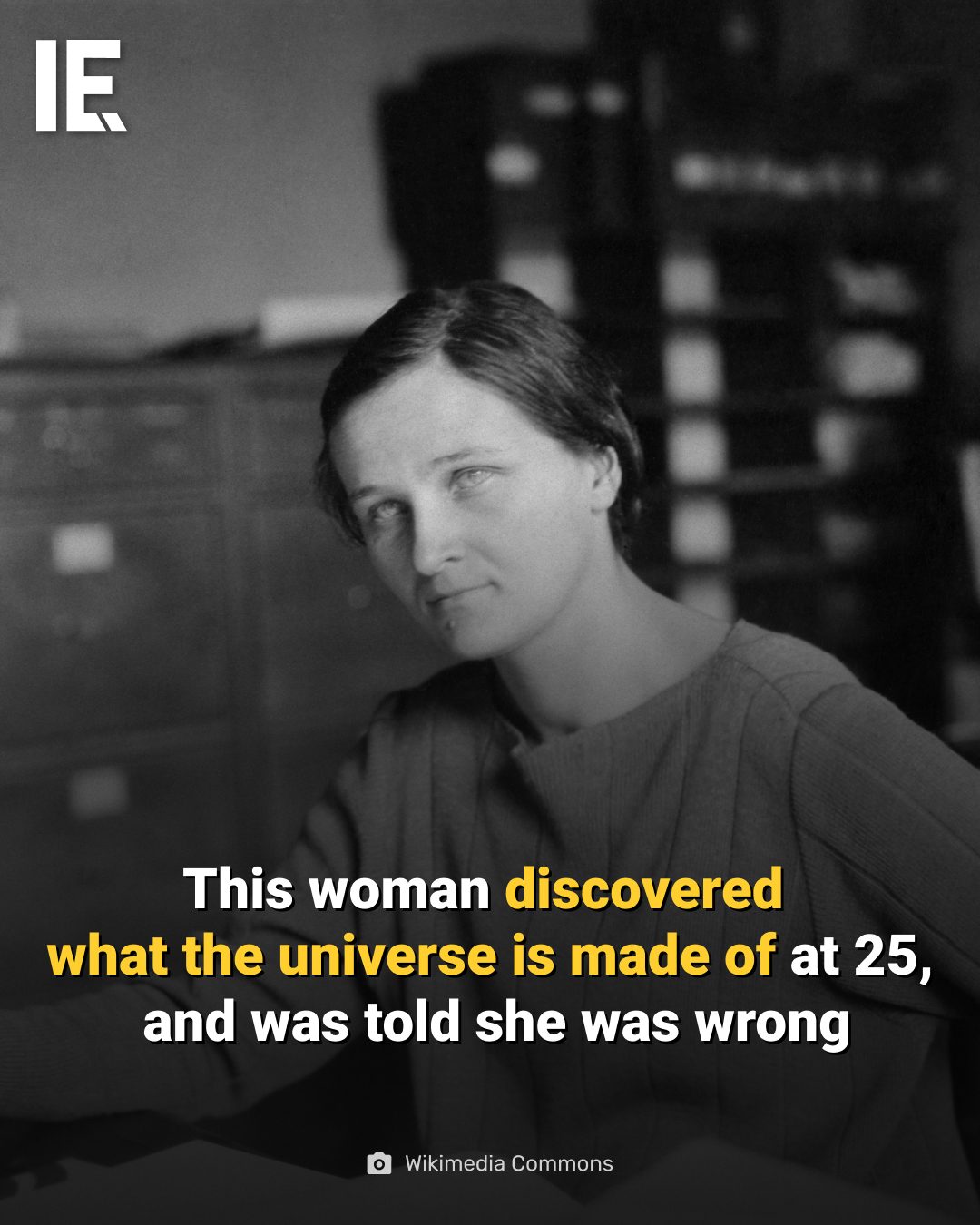
Cecilia Payne-Gaposchkin: The Astronomer Who Determined the Composition of Stars
Cecilia Payne-Gaposchkin is a pivotal figure in the history of astronomy. Her groundbreaking work in 1925 revolutionized our understanding of the universe.
Context / Why This Matters
Payne-Gaposchkin's discovery about the composition of stars not only challenged the scientific consensus of her time but also paved the way for future astronomical research. Her story is a testament to the resilience and brilliance of women in science, highlighting the importance of recognizing and celebrating their contributions.
Main Discussion
Early Life and Education
Cecilia Payne-Gaposchkin was born in Wendover, England, in 1900. Her interest in astronomy began at a young age, and she pursued her passion by studying at Cambridge University. However, it was her doctoral thesis at Radcliffe College in the United States that would ultimately define her scientific legacy.
The 1925 Thesis
In her 1925 doctoral thesis, Payne-Gaposchkin made a groundbreaking discovery. She determined that stars are composed almost entirely of hydrogen and helium. This finding contradicted everything that scientists believed at the time, which was that stars had a composition similar to the Earth's.
At the age of 25, Payne-Gaposchkin presented her discovery, which was met with skepticism by the scientific community. The most prominent astronomer of the era, Henry Norris Russell, called her conclusions "clearly impossible" and pressured her to bury the finding in a footnote. Despite this rejection, her thesis was later recognized as a monumental achievement.
In 1929, Russell, who had independently reached the same conclusion, received the credit for the discovery. This oversight underscores the challenges that women in science faced, particularly in the early 20th century. Her thesis was later called "the most brilliant PhD thesis ever written in astronomy," highlighting its lasting impact on the field.
Challenges and Recognition
Despite the initial dismissal of her work, Cecilia Payne-Gaposchkin's contributions were eventually recognized. Her persistence and dedication to her research allowed her to continue making significant contributions to the field of astronomy. Her work laid the foundation for future research in stellar composition and the evolution of stars.
Practical Tips
While Payne-Gaposchkin's story is inspiring, here are some practical tips for those pursuing a career in science or any other challenging field:
Persist in the Face of Adversity
One of the most significant lessons from Payne-Gaposchkin's story is the importance of persistence. Despite facing rejection and skepticism, she continued to pursue her research and make significant contributions to the field of astronomy.
Seek Mentorship and Support
Finding mentors and support systems can be crucial for success. Payne-Gaposchkin's journey highlights the importance of having a supportive network, especially when facing challenges and obstacles.
Stay True to Your Passion
Passion and dedication are essential for achieving success in any field. Payne-Gaposchkin's love for astronomy drove her to make groundbreaking discoveries and overcome the challenges she faced.
Important Takeaways
Cecilia Payne-Gaposchkin's story serves as a reminder of the significant contributions that women have made to science and the challenges they have faced. Her groundbreaking work on the composition of stars not only revolutionized our understanding of the universe but also paved the way for future research in astronomy.
Payne-Gaposchkin's journey underscores the importance of recognizing and celebrating the contributions of women in science. Her story is a testament to the resilience and brilliance of women in the field, highlighting the need for continued support and recognition.
Conclusion
Cecilia Payne-Gaposchkin's legacy continues to inspire generations of scientists. Her groundbreaking work on the composition of stars and her perseverance in the face of adversity serve as a reminder of the significant contributions that women have made to science. As we continue to explore the universe, it is essential to recognize and celebrate the achievements of pioneering figures like Payne-Gaposchkin, who have laid the foundation for future discoveries and advancements.
Watch the Reel
Questions readers ask
What was the significance of Cecilia Payne-Gaposchkin's 1925 doctoral thesis in astronomy?
Cecilia Payne-Gaposchkin's 1925 thesis challenged the prevailing scientific consensus by demonstrating that stars are primarily composed of hydrogen and helium. This discovery was pivotal in reshaping the field, despite being initially met with skepticism and rejection.
Why was Cecilia Payne-Gaposchkin's discovery about the composition of stars initially dismissed?
Her findings contradicted established beliefs and were initially dismissed because they were considered too radical for the time. The scientific community struggled to accept that the composition of stars was primarily hydrogen and helium, a concept that contradicted their prevailing bias.
How did Cecilia Payne-Gaposchkin's work influence future astronomical research?
Her groundbreaking research opened new avenues for astronomical studies. By providing an accurate understanding of the composition of stars, Payne-Gaposchkin laid the groundwork for subsequent advancements in the field. Her work is a crucial milestone in the history of astronomy.
What challenges did Cecilia Payne-Gaposchkin face as a woman in astronomy?
Payne-Gaposchkin faced significant obstacles due to the gender biases of her era. Her innovative ideas were initially rejected due to her status as a female researcher, and she had to overcome numerous barriers to gain recognition for her work. However, she persevered and made a significant impact on the field.
What is the significance of Cecilia Payne-Gaposchkin's doctoral thesis in the history of astronomy?
Payne-Gaposchkin's doctoral thesis is considered a landmark in astronomy history. It not only corrected long-held misconceptions about the chemical composition of stars but also highlighted the importance of questioning and challenging established scientific norms.
How did Cecilia Payne-Gaposchkin's discovery about stars composition change our understanding of the universe?
Her discovery that stars are primarily made of hydrogen and helium provided a foundational understanding of stellar composition. This knowledge has been instrumental in advancements across various fields, including astrophysics and cosmology, and has shaped our current understanding of the universe's origins and evolution.
What can we learn from Cecilia Payne-Gaposchkin's journey as an astronomer?
Cecilia Payne-Gaposchkin's journey illustrates the importance of perseverance and resilience in the face of adversity. Her story underscores the value of challenging widely-held beliefs and the necessity of recognizing and celebrating the contributions of women in science.
Related deep dives
Similar reads based on topic and creator.


Recent articles
Fresh deep dives from the latest Reels we unpacked.




Comments
Be the first to comment.