Delving into the Hidden Beauty of Cave Systems
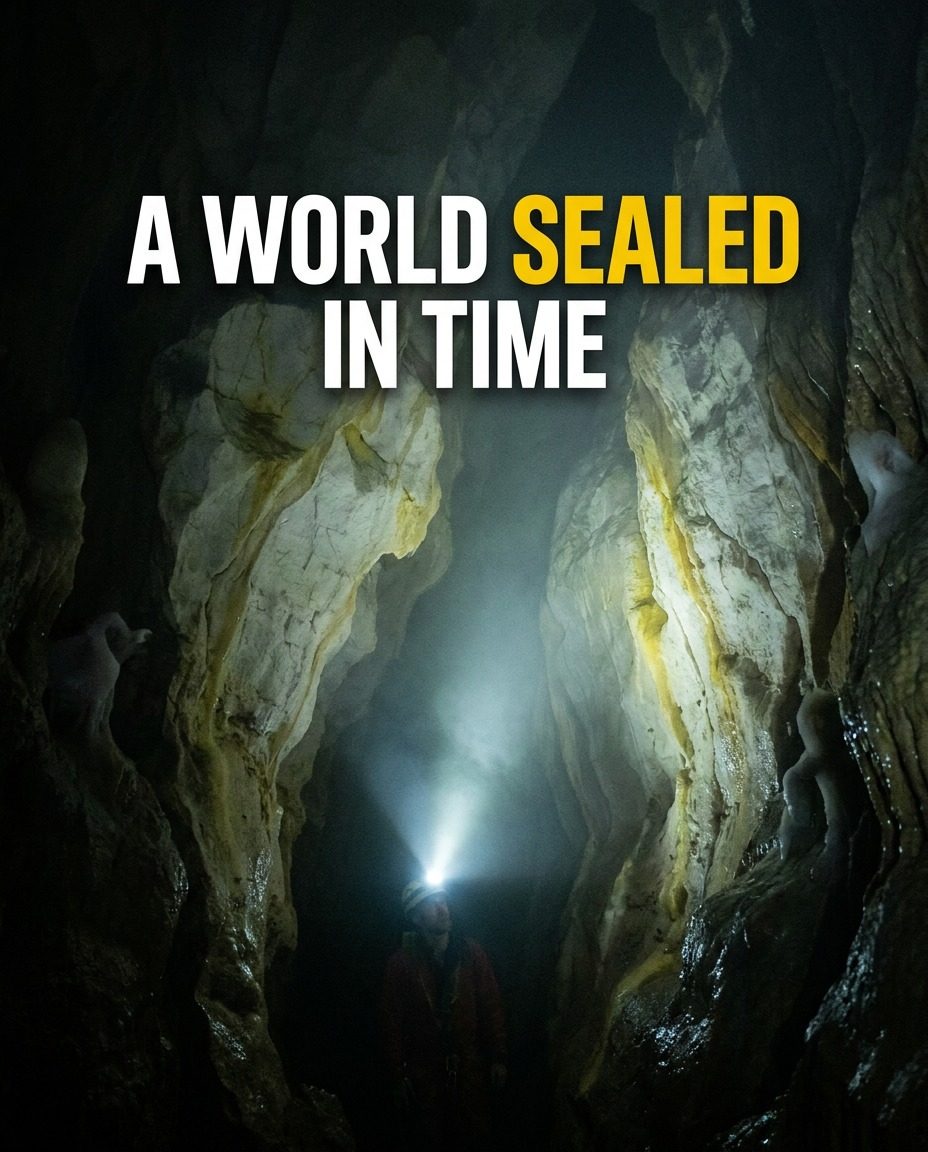
Caves, the hidden worlds beneath our feet, contain a beauty that is often overshadowed by the grandeur of landscapes above ground. These are not simply voids in the earth: a cave system could be described as an intricate labyrinth, frozen in time, marked with geological features, formations, and narrow passages that provoke wonder and fear in equal measure. "A WORLD SEALED IN TIME", as the message shown on-screen reads, encapsulates the essence of caves perfectly. Having once formed under diverse geological and climatic epochs, these rock formations are frozen in time, telling stories of the eras gone by. Caves are meta-landscapes, and this dark, rocky cavern with intricate rock features is another world. A network of caves is far from just a geological curiosity. They are often shrouded in mystery, a natural tunnel system where the air of the current world is faintly accompanied by the air from ancient times. The unique beauty and allure of these natural rock formations make caves a haven for adventure. They offer a chance to step into the unknown and challenge the self.
Navigating the Dark: The Art of Cave Exploration
Combined with its inherent beauty, caves inspire wanderlust, One could imagine it as a fulfillment: a place where the most terrifying exploration fantasies come true. The cave explorer is greeted by a world that evokes images of fairy tales. As such, navigating a cave requires preparation and skill. Dark and full of potential dangers, exploring these systems usually involves using a headlamp to light the way through the darkness, exposing intricate rock formations that are otherwise hidden to the naked eye. Cave exploration, or spelunking, is an adventure that demands respect for the environment and a sense of responsibility. Discovering the narrow passages and hidden chambers requires not just physical agility but also a keen sense of observation. The narrow passage in the video alone would require a high level of expertise, physically and mentally. It is difficult to not imagine all the preparation that went into navigating such a labyrinth. These skills make exploration more than a simple activity: they are what make cave exploration unique.
The Science of the Hidden - A World Beneath
People have long been fascinated by caves with small communities of animals dwelling in them. It is not uncommon to find a variety of insects, bats, and other creatures that have adapted to the unique environments found within caves. Some of these creatures have evolved to live in complete darkness, relying on senses other than sight to navigate their surroundings. Moreover, cave ecosystems are delicate and fragile. The presence of human visitors can have a significant impact on these environments, so responsible exploration practices are essential to preserve the natural beauty and scientific value of these underground worlds. The science behind these processes is fascinating. It underscores why the preservation of these natural wonders is essential. Understanding these ecosystems is only one part of the story. These formations and narrow passages are a testament to the geological forces that have shaped our planet over millennia. For scientists and explorers, caves are open books of geological history. At the heart of this exploration lies a simple truth. The exploration of caves has given us insights into the Earth's geological past, charted the formation of minerals, the growth of minerals, and the crystallization of salts. These natural phenomena are often hidden, making these areas treasured spots for researchers. These cave explorations often reveal important pieces of history and natural phenomenon. Moreover, cave exploration has often led to the discovery of new species, minerals, and geological features, adding to our understanding of the natural world.
Preserving Time: The Importance of Caves for Conservation
This natural environment, where ordinary laws of nature have no influence, serves an important function for any community: it provides ample opportunity for preservation. The preservation of caves goes beyond just maintaining their natural state. It encompasses the biodiversity within, the historical value, and the geological significance. Caves are monuments of geological history: they harbor sensitive ecosystems, historical artifacts and geological formations. Preservation of these natural features ensures that the generations to come have the chance to explore and appreciate the beauty in these dark, rocky caves. These ecosystems are intricate, locked in time; they contain stories of Earth's past. Conservation efforts also contribute to maintaining the balance of the cave ecosystem, ensuring the survival of the unique species that call these underground worlds home. Recall, preserving these caves means preserving not just the beauty but the geological history and the biodiversity. This holds a lot of significance for conservation in the long run. These cave explorations need to be approached with a clear understanding of their delicate ecosystems and the need to preserve the natural state of these environments.
Watch the Reel
Related deep dives
Similar reads based on topic and creator.


Recent articles
Fresh deep dives from the latest Reels we unpacked.


Comments
Be the first to comment.