The Pivotal Role of Cargo Ships
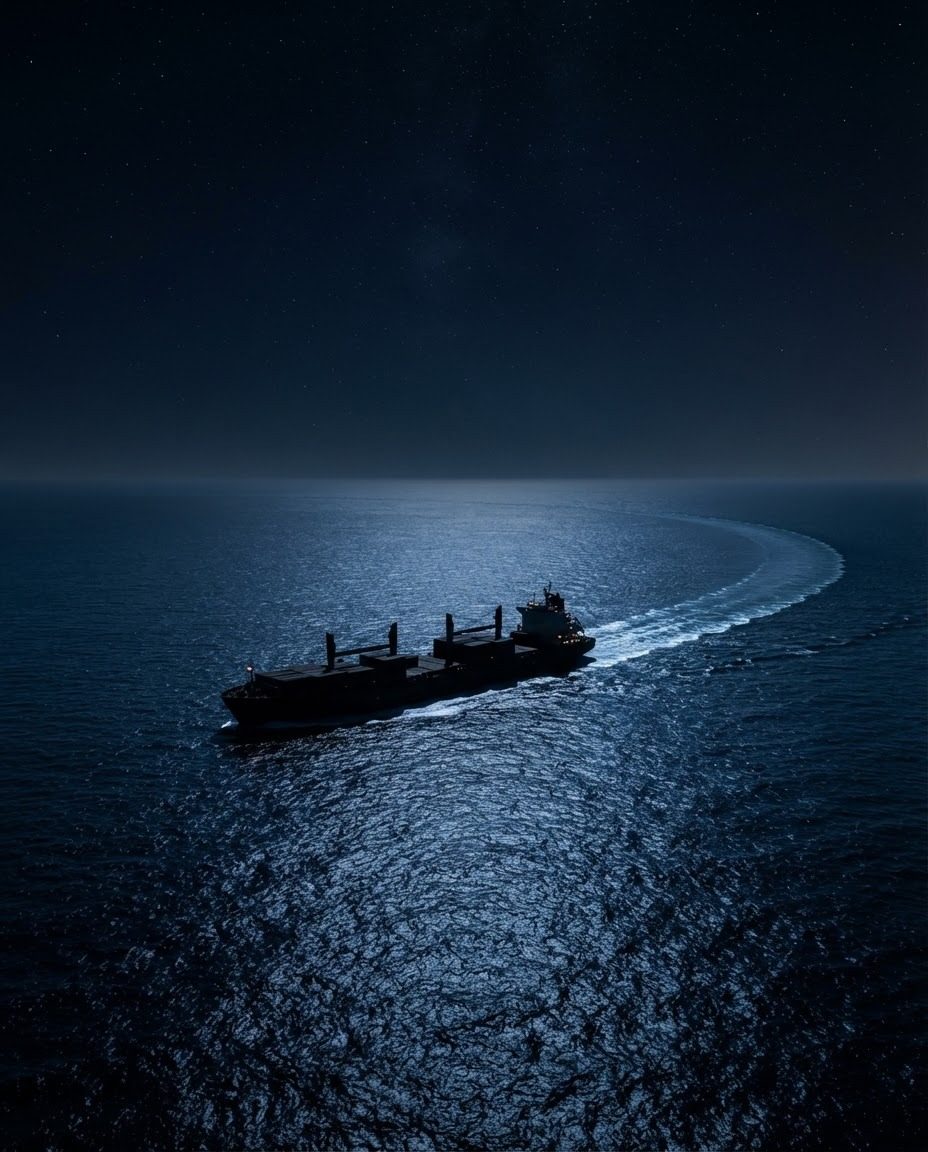
Cargo ships, towering and seemingly unassuming as they navigate, are the uncelebrated heroes of the global trade ecosystem. The image of a colossal cargo ship sails through a dark ocean at night, silhouetted against a starry sky, proving why these vessels are indispensable. Their prominence comes from a quiet but powerful reality: cargo ships transport more than 99% of the world’s goods by volume. Cargo ships are especially crucial in transporting bulky, heavy items — goods that make up a significant portion of global trade. Their ability to carry large volumes of freight efficiently underpins the cost-effectiveness of global trade. This is the economy of mass sailing. To grasp the full impact of cargo ships it is necessary to look at their primary role. Cargo ships connect distant regions and economies. Built around the principle of moving massive volumes of goods, from raw materials to finished products, ships travel across oceans. The global trade network would likely stall without the specialized equipment and procedures required for nighttime navigation. Cargo ships are equipped with advanced radar, Global Positioning Systems (GPS), and sophisticated communication systems. These have become indispensable for navigating through narrow channels, dodging icebergs, and avoiding collisions at sea. Nighttime sailing is not just about convenience; it is about navigating the world's vital trade routes efficiently while reducing the risk of accidents. This is maritime transport
The Ship's Wake: A Tale of Two Effects
The bright wake trailing behind the ship becomes something else at night. The wake is what happens when a ship displaces water. Such displacement is visible in daylight and night. By splitting the water, the ship creates a wave that travels away from the ship, forming a wake. The wake's energy moves the water, creating a drag force against the ship. The shimmering effect seen on the water illustrates another effect of the ship’s journey. The wake and the shimmer create forces that limit the ship's speed. Engineers often contend with them to design more efficient ships. The waves drag on the hull and push against the ship's path. Minimizing water displacement can help reduce the ship’s fuel consumption and environmental impact.
The Night Sky Mirror
The reflection of light on the water offers a deeper insight. By reflecting the light, the water creates a shimmering effect. The dark ocean reflects the starry sky, casting a mirror image of the constellations. This scene is an invitation to pause and reflect on the beauty and engineering of global trade networks. The cargo ship's wake is the pull of history and the promise of tomorrow. The stars inside the reflective water create the future of maritime transport. The starry sky over dark waters is not only a beautiful sight but also a reminder of the vastness of the ocean. This mirroring effect allows sailors to navigate using celestial bodies, providing a connection to ancient maritime traditions. Despite modern advancements, celestial navigation remains a critical skill, blending the old with the new in a timeless dance of technology and tradition. Maritmers pioneers when we navigate the night's sea.
Watch the Reel
Related deep dives
Similar reads based on topic and creator.



Recent articles
Fresh deep dives from the latest Reels we unpacked.




Comments
Be the first to comment.