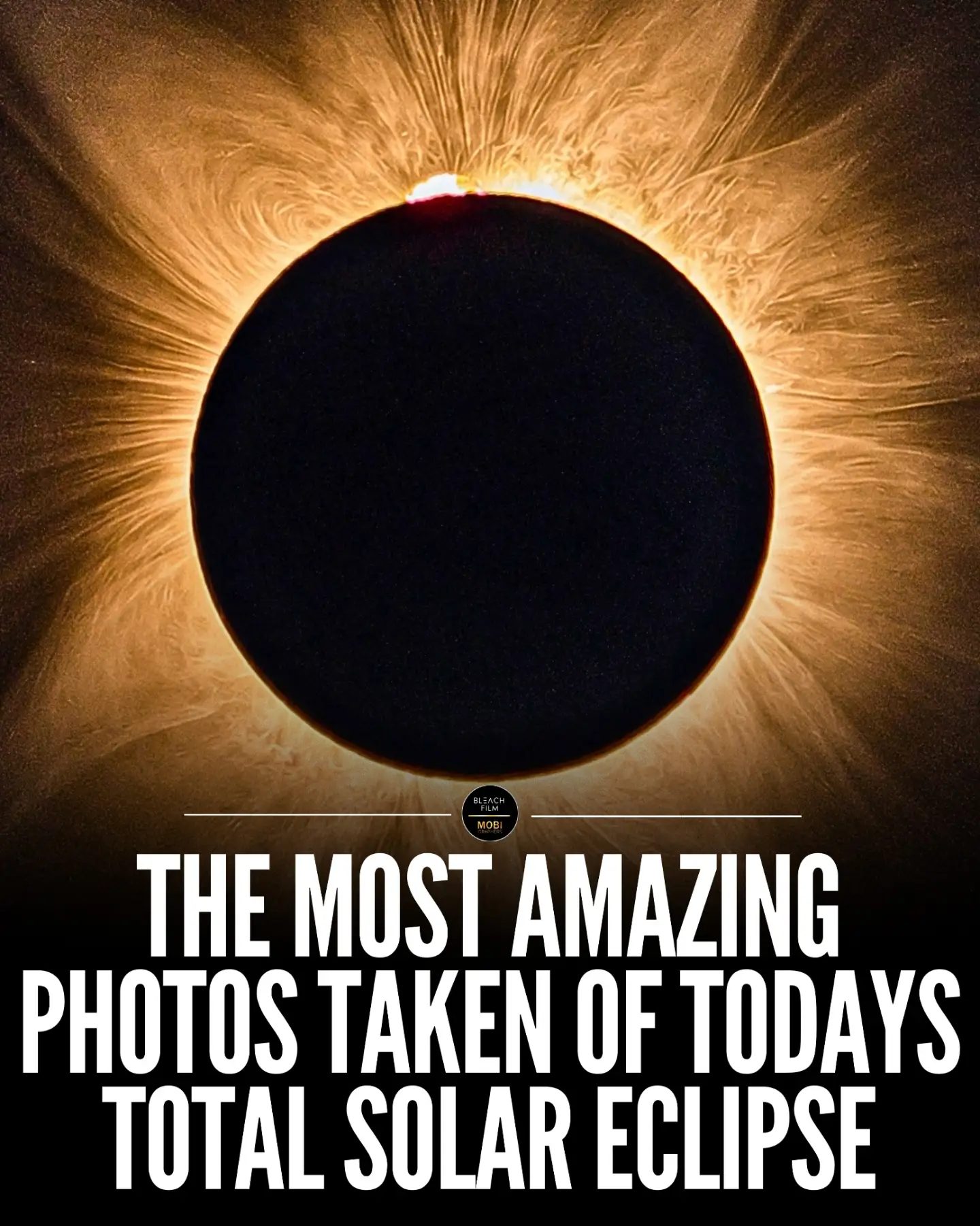
Solar Eclipse Photography
A total solar eclipse is one of the most breathtaking events in astronomy. On August 12, 2026, the Moon will completely block the Sun, casting a shadow over parts of northern Russia, Greenland, Iceland, Spain, and a small corner of Portugal. This event, known as a total solar eclipse, will turn daylight into darkness and reveal the Sun’s glowing corona, a sight not seen in mainland Europe in 27 years. At the point of greatest duration, just off the west coast of Iceland, totality will last about 2 minutes and 19 seconds. The eclipse will offer stunning views from various perspectives, highlighting the unique beauty and rarity of the event.
Context / Why this matters
This solar eclipse is significant for several reasons, particularly for photographers and astronomy enthusiasts. Not only is it the first total solar eclipse visible from mainland Europe since 1999, but no totality has been visible on Earth in 28 months. This makes it a particularly rare and exciting occasion. Moreover, the eclipse will provide a unique opportunity to capture stunning photographs of the Sun’s corona, the outer atmosphere of the Sun, and the dramatic landscape changes that occur during totality.
Main discussion
The Scientific Phenomenon
A total solar eclipse occurs when the Moon passes directly between the Earth and the Sun, completely obscuring the Sun's disk and casting a shadow onto the Earth's surface. During this brief period of totality, the Sun’s corona becomes visible, offering a unique glimpse into the Sun’s outer atmosphere. The corona, which is normally hidden by the Sun's bright light, consists of plasma and magnetic fields that are only visible during a total solar eclipse.
The Path of Totality
The path of totality for the August 2026 eclipse will sweep across parts of northern Russia, Greenland, Iceland, Spain, and a small corner of Portugal. The duration of totality will vary depending on the location, but at its peak, just off the west coast of Iceland, it will last about 2 minutes and 19 seconds. This duration provides ample time for photographers to capture the eerie and spectacular sights of the eclipse.
Photographic Opportunities
Photographing a total solar eclipse presents unique challenges and opportunities. The rapid changes in light and the need for specialized equipment make it a demanding but rewarding endeavor. Photographers will need to use filters to protect their cameras and eyes from the Sun's intense light during the partial phases of the eclipse. During totality, the corona and the landscape will offer a range of photographic possibilities, from the glowing corona to the dramatic shadows cast by the eclipse.
Practical tips
Equipment and Techniques
Equipment: Capturing a total solar eclipse requires specialized equipment. A solar filter is essential for protecting your camera and eyes during the partial phases. A tripod is also necessary to keep the camera steady, especially during the brief period of totality. A telephoto lens with a long focal length is ideal for capturing detailed images of the corona.
Techniques: Plan your shots in advance. Scouting locations and practicing your technique before the eclipse will help you maximize your chances of getting the perfect shot. During the eclipse, be ready to adjust your settings quickly as the light changes rapidly. Use a remote shutter release to avoid camera shake, and consider bracketing your exposures to capture the full range of light and shadow.
Composition and Creativity
Composition: Think beyond the standard shots of the eclipsed Sun. Incorporate the landscape and the environment into your compositions. The contrast between the dark sky and the illuminated landscape can create stunning images. Try to capture the corona in relation to the surrounding scenery for a more dynamic and interesting photograph.
Creativity: Experiment with different techniques and angles. Use long exposures to capture the movement of the Moon’s shadow or the corona’s details. Try panning the camera during totality to create a sense of motion. Don’t forget to take some time to enjoy the experience with your own eyes—it’s a rare and magical moment.
Important takeaways
The total solar eclipse of August 12, 2026, will be a unique and exciting event. It offers photographers a rare opportunity to capture the Sun’s corona and the dramatic changes in the landscape during totality. The path of totality, which will stretch across parts of northern Russia, Greenland, Iceland, Spain, and Portugal, provides various perspectives for photographers. Remember to use the right equipment and techniques to capture the best possible images. Enjoy the experience and the chance to witness this extraordinary astronomical event.
Conclusion
The total solar eclipse of August 12, 2026, offers a once-in-a-lifetime opportunity to capture stunning photographs. The path of totality, the unique atmospheric conditions, and the rare visibility of the Sun’s corona make this event a must-see for astronomers and photographers alike. With the right equipment, techniques, and a bit of creativity, you can capture breathtaking images that showcase the beauty and rarity of this celestial event.
Watch the Reel
Questions readers ask
What is the path of the 2026 total solar eclipse?
The 2026 total solar eclipse will traverse a path across northern Russia, Greenland, Iceland, Spain, and a small portion of Portugal. The path of totality will offer unique viewing opportunities in all of these locations, with the longest duration of totality occurring just off the west coast of Iceland.
What makes the 2026 total solar eclipse unique for Europe?
The 2026 total solar eclipse is particularly unique because it will be the first total solar eclipse visible from mainland Europe in 27 years. This event will provide a rare chance to observe the Sun's corona and experience the dramatic changes in landscape during totality.
What is the best location to view the 2026 total solar eclipse?
The best locations to view the 2026 total solar eclipse will be along the path of totality, which includes remote areas in northern Russia, Greenland, Iceland, and certain parts of Spain and Portugal. The exact best location will depend on factors such as weather conditions and accessibility.
What is the corona and why is it significant?
The corona is the Sun's outer atmosphere, which is usually invisible to the human eye due to the Sun's bright light. During a total solar eclipse, the corona becomes visible as a glowing halo around the Moon, revealing intricate details of the Sun's streams of plasma. Capturing the corona in photographs provides a unique and striking image of the Sun's atmosphere.
How long will the totality last during the 2026 eclipse?
The duration of totality will vary depending on the location. The longest duration of totality will be approximately 2 minutes and 19 seconds, which will occur just off the west coast of Iceland. In other locations along the path, the totality duration will be slightly shorter.
What are some tips for photographing the 2026 solar eclipse?
To effectively photograph the 2026 solar eclipse, use specialized solar filters to protect your camera and eyes. Practice beforehand to understand your equipment and settings, and consider using a tripod for stability. Experiment with different exposures to capture the corona and landscape during totality.
Why is the 2026 solar eclipse a rare opportunity for photographers?
The 2026 solar eclipse is a rare opportunity for photographers to capture a unique and dramatic celestial event. The event offers a chance to photograph the Sun's glowing corona, which is only visible during totality, and to document the swift changes in landscape as the sky darkens. The next opportunity for such a visual spectacle in Europe will not occur for many years.
Related deep dives
Similar reads based on topic and creator.




Recent articles
Fresh deep dives from the latest Reels we unpacked.




Comments
Be the first to comment.