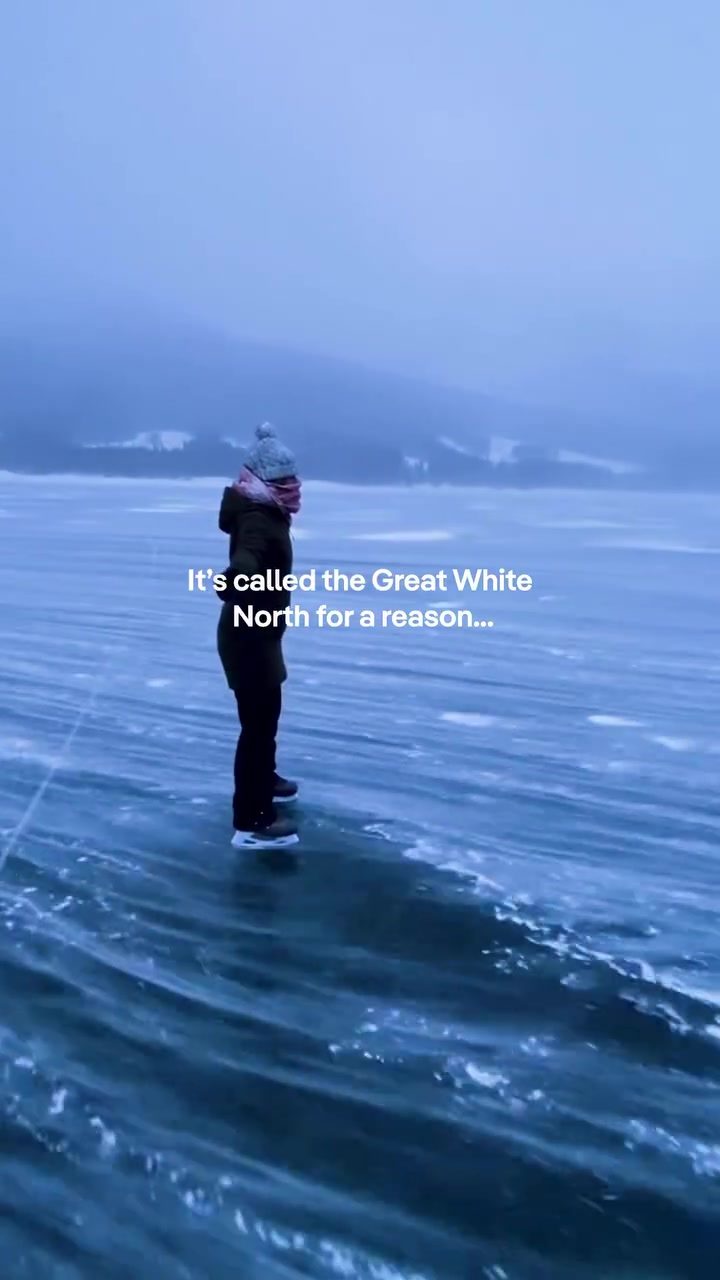
Canada in winter is a sight to behold. The name "Great White North" doesn't just roll off the tongue; it's a literal description of the country's transformed landscape. From the towering peaks of the Rockies and Banff to the vast, frozen lakes of Québec and the Yukon, winter in Canada is a season of raw, striking beauty.
Why Winter in Canada is Special
Canada's winter scenery is a unique experience due to its varied geography and climate. The country spans over 9.985 million square kilometers, and with that comes a diverse range of landscapes. When winter comes, these landscapes undergo a dramatic transformation, each offering a unique visual spectacle.
The Magic of Snow-Covered Landscapes
Forests Under Fresh Snow
Forests in Canada, particularly in regions like Ontario and Québec, turn into silent, serene sanctuaries under a fresh layer of snow. The evergreen trees, draped in white, create a stark contrast against the blue skies, creating a picture-perfect winter wonderland. These forests are not just visually stunning; they also offer a peaceful respite from the hustle and bustle of city life.
Frozen Lakes and Rivers
One of the most mesmerizing sights in winter Canada is the transformation of its lakes and rivers. Bodies of water like Lake Louise in Banff National Park and the numerous lakes in the Yukon turn into vast sheets of glass, reflecting the surrounding snow-capped mountains. These frozen lakes are not just visually breathtaking but also offer unique recreational opportunities. Activities like ice skating, ice fishing, and even ice sculpture competitions become a part of the winter experience.
Snow-Capped Mountains
The mountains in Canada, especially the Rockies, are a sight to behold in winter. The peaks, covered in a thick layer of snow, stretch towards the sky, creating a dramatic landscape. The contrast between the white snow and the dark, rugged mountains is striking, making for some of the most iconic winter photographs. The snow-covered peaks also create a unique contrast against the clear blue skies, emphasizing the raw beauty of the landscape.
Wildlife in Winter Canada
Canada's winter is not just about the landscapes; it's also about the wildlife that thrives in the cold. The elk, for instance, can often be seen grazing in the snowy fields, their dark coats providing a stark contrast against the white backdrop. Other animals, like the snowshoe hare, are uniquely adapted to survive in the harsh winter conditions.
The Winter Sports Experience
One of the most thrilling aspects of winter in Canada is the variety of winter sports and activities available. Skiing and snowboarding in the Rockies are world-renowned, offering some of the best slopes in the world. Ice skating on the frozen lakes and rivers, snowmobiling in the Yukon, and dog sledding in the North—these are just a few of the unique experiences that Canada offers in winter.
Practical Tips for Exploring Winter in Canada
Best Places to Visit
- Banff National Park: Known for its stunning mountain scenery, ice fields, and unique wildlife.
- Whistler, British Columbia: A world-renowned ski destination with beautiful views and excellent slopes.
- Quebec City, Quebec: A charming city with old-world architecture and a rich history.
- Yukon Territory: Perfect for those who enjoy snowmobiling, dog sledding, and the Northern Lights.
- Lake Louise, Alberta: Known for its iconic turquoise lake and surrounding mountains.
Essential Gear
Winter in Canada can be harsh, so it's crucial to be prepared. Here are some essential items to bring along:
- Warm Clothing: Layers are key. Thermal underwear, insulated pants, a warm jacket, and a hat are must-haves.
- Winter Boots: Make sure they are waterproof and provide good traction.
- Gloves or Mittens: These help keep your hands warm and functional.
- Sun Protection: Even in winter, the sun can be bright, especially near snow, so bring sunglasses and sunscreen.
- Snowshoes or Skis: Depending on your activity, these can be essential for navigating the snowy terrain.
Important Takeaways
- Diverse Landscapes: Canada in winter offers a diverse range of landscapes, from snowy forests to frozen lakes and snow-capped mountains.
- Unique Wildlife: The Great White North is home to unique wildlife that thrives in the cold.
- Winter Sports: There's a wide range of winter sports and activities to participate in, making for an exciting and adventurous trip.
- Preparation Matters: Proper gear and preparation are essential for a safe and enjoyable winter experience.
Conclusion
Canada in winter is a marvel to behold. From the serene forests to the frozen lakes and the majestic mountains, every sight is a testament to nature's raw beauty. The wildlife, the winter sports, and the unique experiences make it a destination worth visiting. If you're a nature lover, an adventure seeker, or simply someone who enjoys the beauty of winter, Canada is the perfect place to be. Just remember to bundle up and be prepared for the cold—the Great White North is waiting.
Watch the Reel
Questions readers ask
What makes Canadian winter landscapes unique?
Canadian winter landscapes are unique due to the country's vast size and diverse geography. This results in a wide range of landscapes, from the towering, snow-capped Rockies to the serene, snow-draped forests of Ontario and the expansive, frozen lakes of the Yukon. Each region offers a distinct winter spectacle.
What are some of the best winter destinations in Canada?
Some of the best winter destinations in Canada include the Rockies, which offer dramatic, snow-capped peaks and a variety of winter activities, and the Yukon, known for its vast, frozen lakes and untouched wilderness. Ontario and Quebec, too, provide stunning, snow-covered forests.
How do winter activities differ in the Rockies and Yukon?
The Rockies offer a range of winter activities such as skiing, snowboarding, and snow-shoeing, thanks to their mountainous terrain. The Yukon, on the other hand, provides opportunities for more remote and serene experiences like dogsledding and ice fishing on its frozen lakes.
What is the most spectacular winter landscape in Canada?
Choosing just one can be challenging, but many visitors are awestruck by the snow-capped peaks of the Rockies and the vast, frozen lakes of the Yukon. The serene, snow-draped forests of Ontario and Quebec are also breathtaking, each offering a unique and memorable winter experience.
What are some unique winter activities that Canada offers?
Canada offers a variety of unique winter activities. Some notable ones include dogsledding in the Yukon, ice fishing on the frozen lakes of Quebec and Ontario, and skiing or snowboarding in the Rockies. These activities cater to thrill-seekers and those seeking a peaceful, scenic experience.
What is the 'Great White North'?
The 'Great White North' is a term often used to describe Canada, especially during the winter. It reflects the country's transformation into a vast, snow-covered landscape, with stunning, white landscapes stretching across the country.
What kinds of landscapes are found in Canada in winter?
Canada's winter landscapes are incredibly diverse. You can find towering, snow-capped mountains in the Rockies, vast, frozen lakes in the Yukon, and serene, snow-draped forests in Ontario and Quebec. Each of these landscapes offers a unique and breathtaking winter view.
Related deep dives
Similar reads based on topic and creator.


Recent articles
Fresh deep dives from the latest Reels we unpacked.




Comments
Be the first to comment.