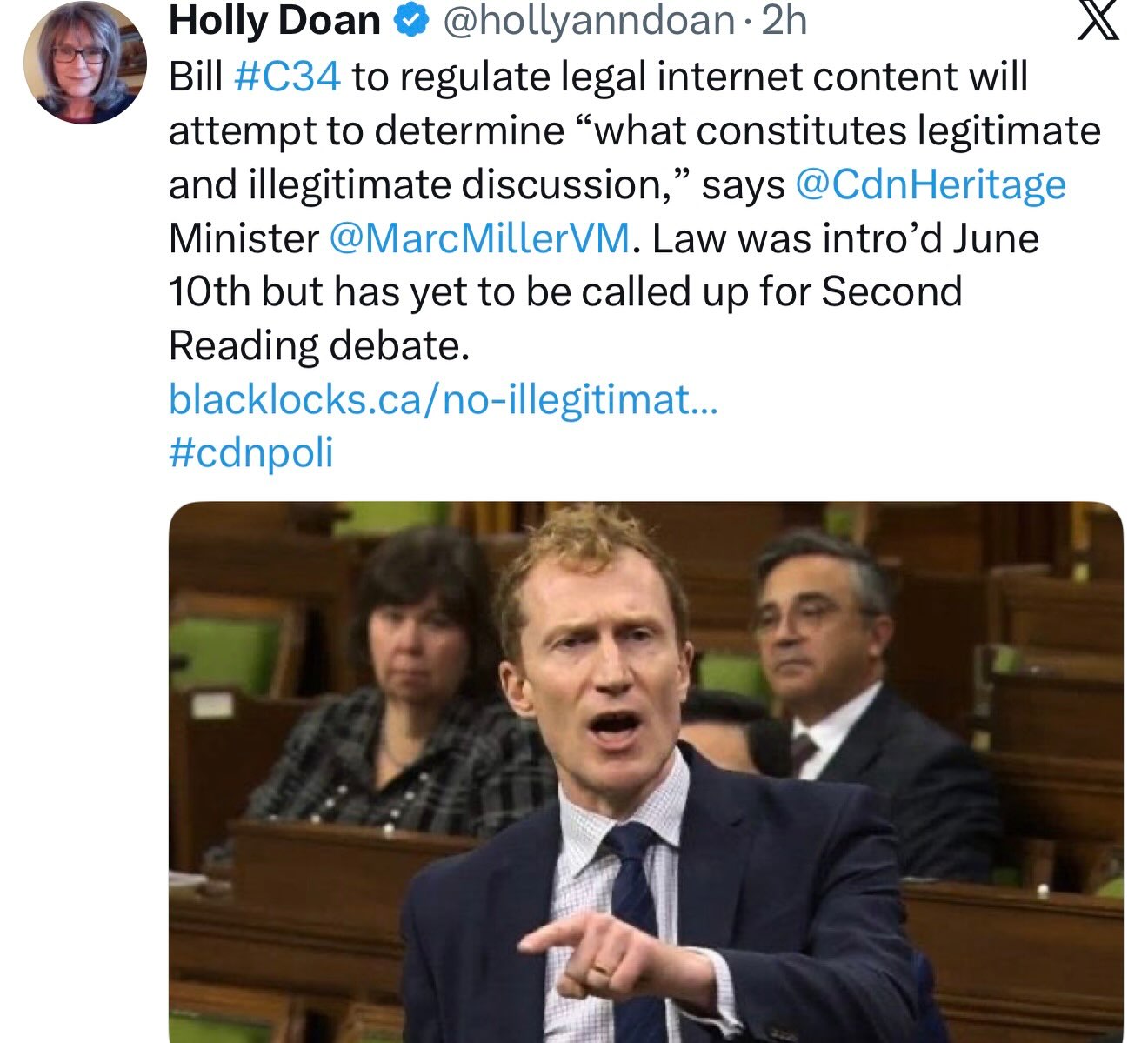
Canada's Bill #C34 marks the latest attempt to regulate the ever-evolving landscape of internet content. Introduced on June 10th, the bill is yet to be debated, but already aims to define what constitutes legitimate and illegitimate discussion.
Parliament's latest shot at defining online speech
Before Bill #C34, Canada’s approach to internet regulation focused on issues like hate speech and misinformation. This legislation, however, targets the broader spectrum of online content. Bill #C34 does not try to tackle specific online behaviors or content categories. Instead, it aims to create a framework for determining whether discussions online are legitimate or illegitimate. This is a significant shift in approach, as current laws don't typically deal with the inherent messiness of online conversations. A minister quoted in the vision data of a parliamentary debate said, “Bill #C34 is a tool for Canadians to address the perceived harm of online speech...” To implement this, the bill attempts to classify online discussions by their content and context. This is a challenging task. A phrase spilled in anger or frustration may be misunderstood by others as hate speech. The definition of what makes speech illegitimate is subjective, leaving room for misinterpretation.
Bill #C34 and the shifting sands of Canadian internet governance
Canada has been grappling with how to handle internet content. The effort to regulate online speech has consistently pushed against the principles of free speech. While hate speech and misinformation are problematic, policing the boundaries between legitimate discussions and illegitimate speech can be incredibly tricky. Some critics argue that the bill is reminiscent of the controversial Bill C-10, which aimed to regualte social media content through the adoption of a Canadian Broadcast Standards Council. Bill C-10 faced backlash for threatening freedom of expression. The introduction of Bill #C34 adds the government the ability to shape online speech from more nuanced angles. By attempting to define legitimate and illegitimate discourse, the bill could help Canada determine what content that Canadians need to consume.
At what point is speech in the Canadian internet ruled illegitimate?
Bill #C34 attempts to create a framework for determining what differentiates legitimate and illegitimate speech. In recent years, whether in a classroom or online, Canada has had to grapple with the responsibilities around free speech. This bill aims to offer a spectrum to define the limits of online speech. Unlike other legislation, Bill #C34 will frame the dialogue around online content and its impact on Canadians. Bill #C34 may emphasize the regulation of certain types of content. This could encourage a broader discussion around context, intention, and impact of certain content. This bill could set the stage for a broader discussion of how Canadians interact, how their speech is heard, and what consequences could arise.
A tool for debate or censorship?
A minister quoted in the vision data of a parliamentary debate said, “Bill #C34 is a tool for Canadians to address the perceived harm of online speech...” Crafting a framework by the government defining legitimate online speech has been met with concern. The bill may end up creating a line around what Canadians can discuss online. Opponents point out that it could increase censorship online, while proponents argue that this bill could serve as a tool for civil discourse. The range of impacts of the bill has yet to be determined, but it will undoubtedly frame online speech in Canada.
Defining what constitutes legitimate and illegitimate online speech
A key component of Bill #C34 is its desire to distinguish between legitimate and illegitimate discussion. The bill does not clearly define the parameters of what constitutes legitimate and illegitimate speech. With definitions this in mind, it is not clear which discussions could be labeled as illegitimate. Bill #C34 could help Canadian lawmakers define the line between legitimate and illegitimate speech. However it could also create ambiguity.
How Bill #C34 filters into Canadian internet governance
To begin determining the status of online speech, Canadians may want to know what the impact of Bill #C34 will be.
- Research the bill: Explore Bill #C34 online to stay current on updates and progress.
- Join the debate: Participate in forums and discussions about Bill #C34 to share your perspective.
- Stay informed: Follow news outlets and government websites for the latest on the bill's development and implementation.
- Engage with politicians: Contact your representatives to discuss your thoughts on the bill and its potential impact on online speech.
The reckoning around Canadian digital spaces
Bill #C34 represents a significant step in Canada's ongoing efforts to regulate online content. The law will aim to create a framework for determining whether discussions online are legitimate or illegitimate. This effort comes with challenges, especially around the ambiguity of regulated speech. Whether Bill #C34 will help Canadians navigate the complexities of online speech or introduce new challenges remains to be seen. The stakes are high, as the bill could shape the future of digital discourse in the country.
Watch the Reel
Questions readers ask
What exactly does Bill C-34 aim to achieve with its classification of online speech?
Bill C-34 seeks to create a framework that distinguishes between legitimate and illegitimate online discussions. This means it's not just about targeting specific types of content like hate speech, but rather about evaluating the context and intent behind online conversations to determine their legitimacy.
How does Bill C-34 differ from previous attempts at internet regulation in Canada?
Unlike previous legislation that focused on specific issues like hate speech and misinformation, Bill C-34 takes a broader approach. It aims to regulate the overall landscape of online conversations by defining what constitutes legitimate and illegitimate speech, which is a more nuanced and potentially more complex task.
What are the potential challenges in implementing Bill C-34?
One of the main challenges is the subjective nature of determining what makes speech illegitimate. A phrase said in anger might be misinterpreted as hate speech, and the context and intent behind online discussions can be difficult to gauge. This leaves room for misinterpretation and potential disputes over what is considered legitimate or illegitimate speech.
How might Bill C-34 impact free speech in Canada?
Critics argue that the bill could potentially threaten free speech by introducing a new layer of regulation that might be too broad. There are concerns that it could be perceived as a form of censorship, similar to the controversial Bill C-10, which faced backlash for its potential to limit freedom of expression.
Could Bill C-34 lead to a more nuanced understanding of online speech?
Yes, it could. By encouraging a broader discussion around the context, intention, and impact of online content, Bill C-34 has the potential to foster a more thoughtful approach to online conversations. It could help Canadians better understand the consequences of their online speech and promote more responsible digital communication.
Recent articles
Fresh deep dives from the latest Reels we unpacked.




Comments
Be the first to comment.