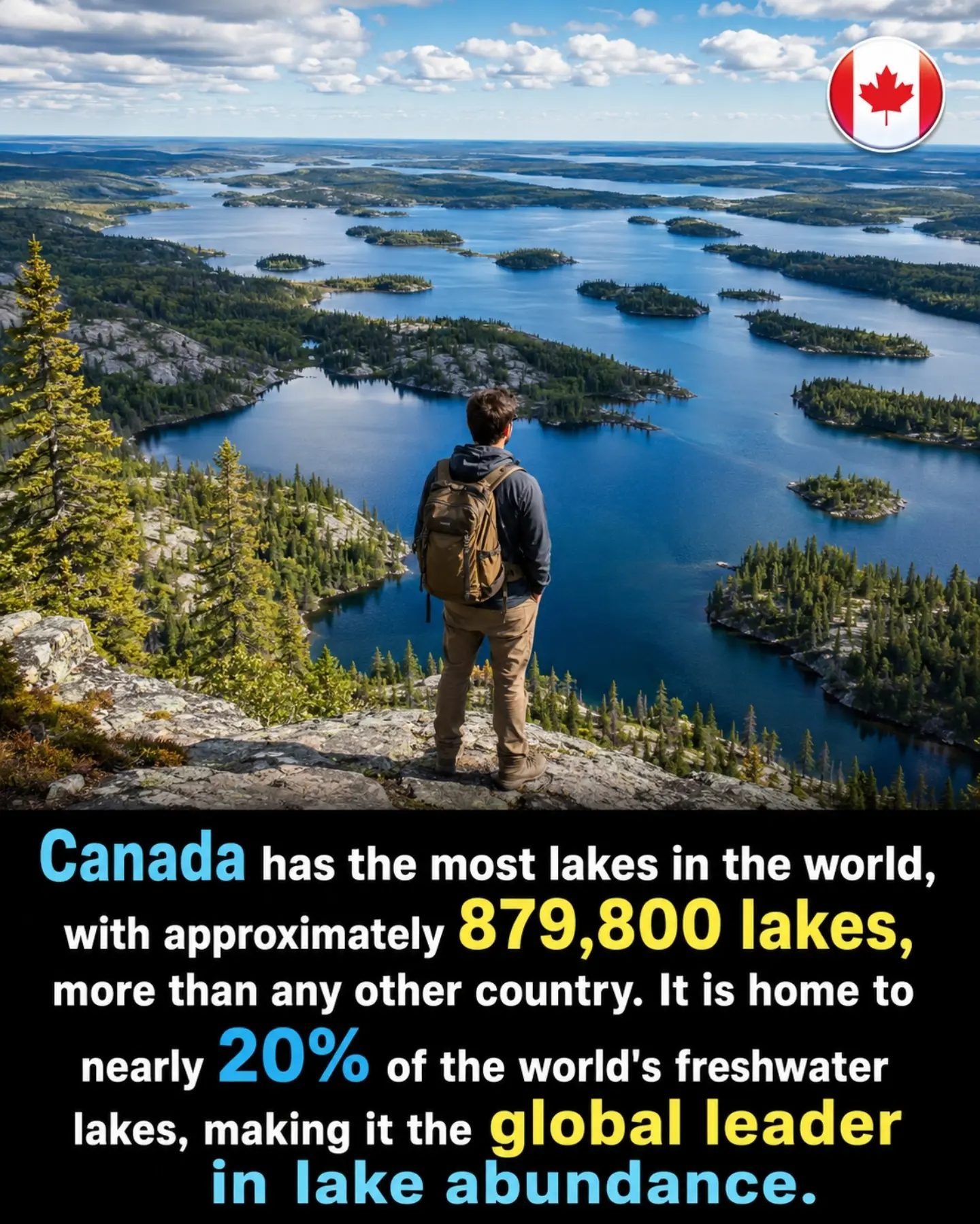
Canada's Lakes: A Deep Dive into Natural Abundance
Canada is renowned for its breathtaking landscapes, and among its most striking features are its lakes. The country is home to approximately 879,800 lakes, making it the global leader in lake abundance. This vast number of lakes holds nearly 20% of the world's freshwater resources. This abundance of lakes has a profound impact on the environment, economy, and recreational opportunities in Canada.
Context: Why This Matters
Canada's lakes are more than just scenic backdrops; they play a crucial role in the country's ecosystem and economy. The sheer number of lakes contributes significantly to Canada's biodiversity, supporting a wide range of plant and animal species. These bodies of water also serve as vital sources of freshwater, which is essential for human consumption, agriculture, and industry.
Moreover, Canada's lakes are a major draw for tourists, contributing significantly to the country's tourism industry. Whether it's for fishing, boating, swimming, or simply enjoying the serene beauty, millions of visitors flock to Canada's lakes each year. The lakes also support various recreational activities, such as canoeing, kayaking, and camping, which are integral to the country's outdoor culture.
The Diversity and Beauty of Canada's Lakes
Geological Formation and Distribution
Canada's lakes vary widely in size, depth, and geological origin. Many were formed by glacial activity during the last ice age, while others are the result of tectonic movements, volcanic activity, and erosion. The lakes are distributed across the country, with the highest concentration in the Canadian Shield region, which spans from the Yukon to Newfoundland and Labrador.
Some of the most famous lakes in Canada include:
- Great Slave Lake: Located in the Northwest Territories, it is the deepest lake in North America and the second-largest lake entirely within Canada.
- Great Bear Lake: Also in the Northwest Territories, it is the largest lake entirely within Canada and the fourth-largest in North America.
- Lake Superior: Shared with the United States, it is the largest freshwater lake in the world by surface area and the third-largest by volume.
Ecological Importance
Canada's lakes are home to a diverse array of flora and fauna. They support numerous fish species, including walleye, pike, trout, and whitefish, which are crucial for both commercial and recreational fishing. The lakes also provide habitats for various bird species, amphibians, and mammals. Many of these species are unique to Canada and play essential roles in maintaining the ecological balance of the regions they inhabit.
Economic and Recreational Value
Tourism and Outdoor Activities
Canada's lakes are a major attraction for tourists from around the world. Activities such as boating, fishing, swimming, and camping bring in significant revenues and support local economies. The lakes also provide opportunities for wildlife viewing, photography, and other nature-based activities.
In addition, many towns and cities near these lakes have developed vibrant tourism industries, offering accommodations, dining, and retail services to visitors. This economic boon is particularly important for remote and rural communities, where tourism can be a primary source of income.
Freshwater Resources
Canada's lakes are a vital source of freshwater, which is essential for drinking, agriculture, and industry. The abundance of freshwater resources supports the country's agricultural sector, which relies on irrigation, and the industrial sector, which uses water for various processes. Access to clean freshwater is also crucial for public health, and Canada's lakes play a significant role in providing this essential resource.
Practical Tips for Exploring Canada's Lakes
Best Times to Visit
The best time to visit Canada's lakes depends on your preferences and the specific activities you plan to engage in. Summers are generally ideal for swimming, boating, and fishing, with warm weather and long daylight hours. Fall offers stunning foliage and cooler temperatures, perfect for hiking and wildlife viewing. Winter, while cold, provides opportunities for ice fishing, snowshoeing, and cross-country skiing. Spring can be a bit unpredictable but offers beautiful wildflower blooms and fewer crowds.
Essential Gear
When planning a trip to Canada's lakes, it's essential to pack the right gear. For water activities, bring appropriate clothing, sunscreen, and a hat. For hiking and camping, make sure to have sturdy footwear, insect repellent, and a map or GPS device. If you plan to fish, bring your fishing gear and any necessary permits or licenses.
Safety Tips
Safety is paramount when exploring Canada's lakes. Always wear a life jacket when boating or engaging in water activities. Be aware of the weather conditions and pack appropriate clothing and gear. Stay on marked trails when hiking to avoid getting lost, and let someone know your plans and expected return time.
Important Takeaways
Canada's lakes are a natural wonder that offer a wealth of benefits to the country and its people. From their ecological importance to their economic and recreational value, these bodies of water are integral to Canada's identity and well-being. By appreciating and protecting these resources, we can ensure that future generations can continue to enjoy the beauty and benefits of Canada's lakes.
Conclusion
Canada's lakes are a testament to the country's natural abundance and beauty. Whether you are a nature enthusiast, a recreational fisherman, or simply someone who enjoys the serenity of a tranquil lake, Canada's lakes offer something for everyone. By understanding and appreciating the significance of these lakes, we can better protect and preserve them for future generations.
Watch the Reel
Questions readers ask
How many lakes are there in Canada and why is this significant?
Canada is home to approximately 879,800 lakes, making it the country with the most lakes in the world. This vast number of lakes is significant because it contributes to nearly 20% of the world's freshwater resources, supporting a wide range of ecosystems and economic activities.
What role do Canada's lakes play in the country's biodiversity?
Canada's lakes are crucial for the country's biodiversity. They provide habitats for numerous plant and animal species, supporting a rich ecosystem. The diverse range of species thriving in these lakes contributes to the overall health and balance of Canada's natural environment.
How do Canada's lakes contribute to the economy?
The lakes in Canada support various industries and contribute significantly to the economy. They are vital for tourism, offering recreational activities like fishing, boating, and other water-based sports. The lakes also support local economies by providing resources and attracting visitors.
What makes Canadian lake scenery so unique?
Canadian lake scenery is unique due to the vast number and diversity of lakes, often surrounded by dense forests and rugged landscapes. The pristine nature of these lakes, combined with their sheer abundance, creates stunning vistas that are sought after by tourists and nature enthusiasts alike.
Which lakes in Canada are among the world's largest?
While Canada has numerous lakes, some of the world's largest by surface area are found here. Notable examples include Lake Superior, Lake Huron, and Lake Great Bear. These expansive water bodies are not only breathtaking but also play a critical role in the country's freshwater resources and ecosystems.
What recreational opportunities do Canada's lakes offer?
Canada's lakes provide a wealth of recreational opportunities. Activities range from fishing and boating to swimming and camping. The lakes are integral to the country's tourism industry, attracting visitors from around the world who come to enjoy the natural beauty and outdoor activities.
How do Canada's lakes support the country's fishing industry?
The numerous lakes in Canada are a vital resource for the country's fishing industry. They support a wide variety of fish species, providing opportunities for both commercial fishing and sport fishing. This not only contributes to the economy but also supports local communities that depend on fishing for their livelihood.
Related deep dives
Similar reads based on topic and creator.




Recent articles
Fresh deep dives from the latest Reels we unpacked.




Comments
Be the first to comment.