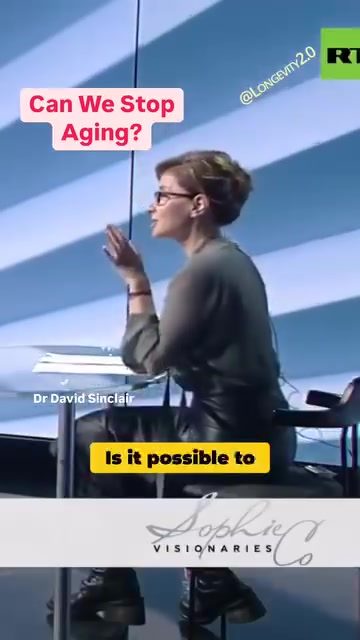
Resetting the Clock on Aging
The prospect of reversing or even stopping aging entirely was once considered a distant dream. However, recent advancements in the science of cellular reprogramming are making this possibility a tantalizing reality. At the forefront of this research is Dr. David Sinclair, a renowned scientist who has shared insights into how we might one day reset our bodies to a more youthful state.
Why This Matters
Understanding and potentially controlling the aging process has wide-ranging implications for human health. It could lead to significant reductions in age-related diseases, improved quality of life, and even extended lifespans. The ability to reprogram cells to a younger state opens up new avenues for medical treatments and raises questions about the future of human longevity.
The Science of Cellular Reprogramming
Understanding Cellular Reprogramming
Cellular reprogramming involves resetting the biological clock of cells. This process can potentially turn aged cells back into a younger, healthier state. The implications of this technology are vast, particularly in the context of aging. For instance, scientists have successfully reset an aged eye to a youthful state, demonstrating that this process is more than just a theoretical concept.
Multiple Resets: A Future Possibility
The idea of resetting the body multiple times is particularly exciting. While the current research has shown that it's possible to reset an eye once, scientists are now exploring whether this reset can be done multiple times. The hypothesis is that bodies could potentially be reset not just once, but dozens of times in a lifetime. This could mean an end to age-related diseases and a significant extension of human life.
Practical Applications and Future Prospects
Potential Medical Applications
The potential applications of cellular reprogramming in medicine are vast. Age-related diseases such as Alzheimer's, heart disease, and arthritis could become manageable or even preventable. This technology could revolutionize how we approach healthcare, shifting the focus from treatment to prevention.
Ethical and Social Considerations
While the medical potential is clear, there are ethical and social considerations to ponder. Access to such technology could create disparities, with those who can afford it enjoying extended lifespans while others are left behind. Additionally, societal norms around aging and longevity would need to evolve to accommodate these changes.
Important Takeaways
Cellular reprogramming represents a groundbreaking advancement in the field of longevity research. The ability to reset the body to a younger state could revolutionize medical treatments for age-related diseases and potentially extend human lifespans. However, this technology also comes with significant ethical and social challenges that need to be addressed as it develops.
Conclusion
The idea of stopping or reversing aging is no longer just a fantasy. With the advancements in cellular reprogramming, the future of longevity research looks brighter than ever. While there are still many unknowns, the potential benefits are immense, and the journey towards a longer, healthier life is underway.
Watch the Reel
Questions readers ask
What is cellular reprogramming and how does it relate to aging?
Cellular reprogramming is a process where mature cells are reset to a younger, more versatile state. This technique is crucial in aging research because it allows scientists to potentially reverse the effects of aging by restoring cells to a more youthful condition.
Who is Dr. David Sinclair and what is his role in aging research?
Dr. David Sinclair is a prominent scientist known for his work in the field of aging and longevity. He has been instrumental in developing techniques for cellular reprogramming, which aims to slow down or even reverse the aging process.
How might cellular reprogramming impact age-related diseases?
By resetting cells to a younger state, cellular reprogramming could potentially alleviate or even prevent age-related diseases. This approach may lead to better treatments for conditions such as Alzheimer's, heart disease, and diabetes.
What are some of the potential benefits of resetting the aging process?
Resetting the aging process could significantly improve the quality of life by delaying or preventing age-related diseases. It may also extend lifespans and open up new possibilities for medical treatments.
Can aging be completely stopped or only slowed down?
While current research focuses on slowing down the aging process, the ultimate goal is to eventually stop or even reverse it. Scientists are exploring techniques like cellular reprogramming to achieve this.
How close are we to practical applications of aging reversal?
Scientists are making significant strides in aging reversal research, but practical applications are still in the early stages. Ongoing studies and clinical trials are essential to bring these breakthroughs from the lab to real-world use.
What are some of the main challenges in achieving aging reversal?
Some of the main challenges in aging reversal include ensuring the safety and effectiveness of cellular reprogramming techniques, as well as understanding the complex biological mechanisms underlying aging. Additionally, translating laboratory findings into practical medical treatments is a significant hurdle.
Related deep dives
Similar reads based on topic and creator.




Recent articles
Fresh deep dives from the latest Reels we unpacked.




Comments
Be the first to comment.