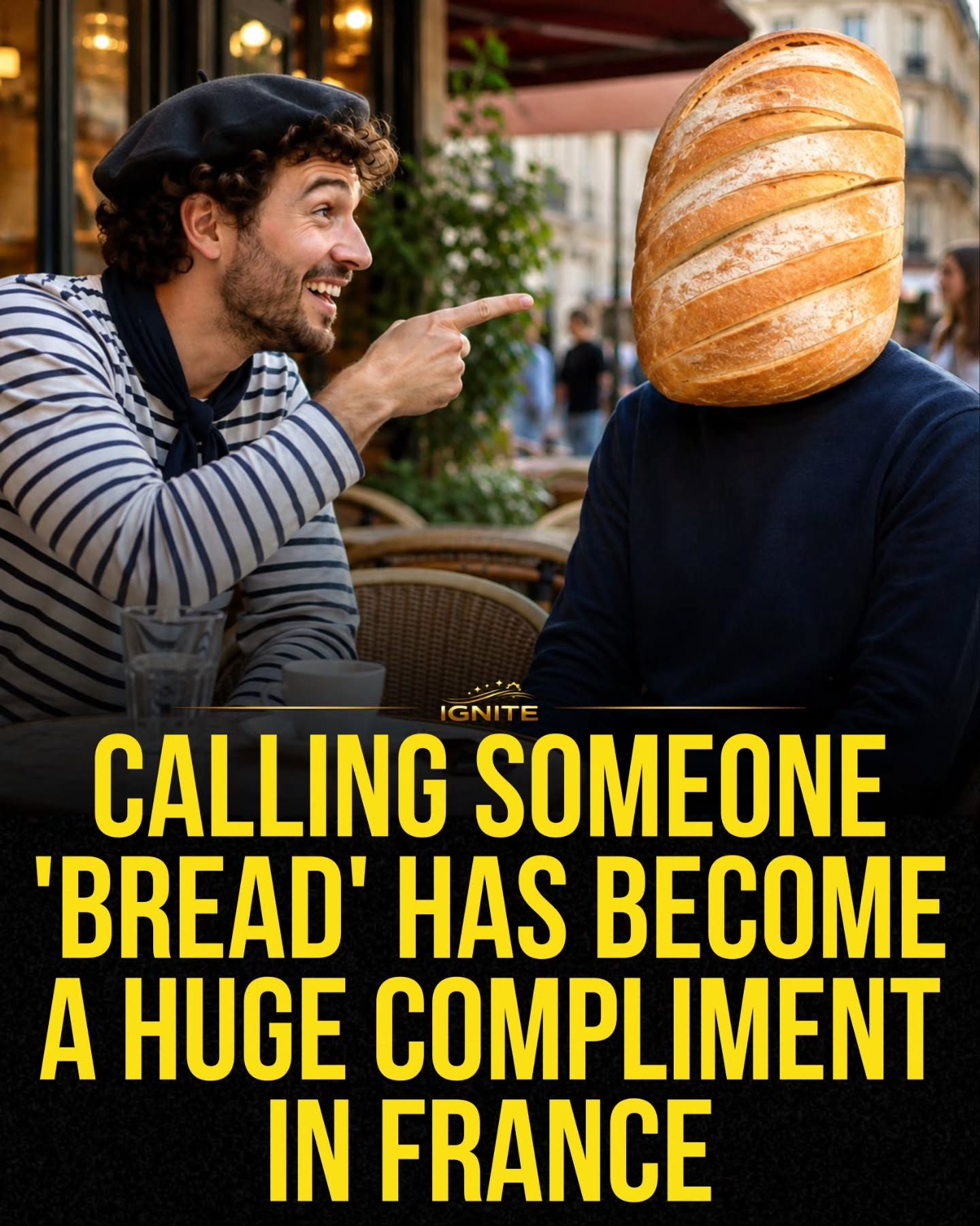
Bread as a Compliment in France
In France, the phrase "you're my bread and butter" has taken on a delightful twist. Among young French-speakers, calling someone "mon pain"—which translates to "my bread"—has become a trendy way to express affection or attraction. This phrase, influenced by Nouchi, an Ivorian slang, and popularized on TikTok, draws a charming parallel between a loved one and bread, a staple of French cuisine.
Context / Why This Matters
French language and culture are rich with nuances, and this new phrase is a perfect example. Understanding the latest idioms and expressions can enhance communication and connection, especially in a social or romantic context. Bread, a staple food in France, holds a special place in the culture. This new usage reflects a playful and affectionate twist on an everyday item, making it a unique and modern compliment.
Main discussion
The Origins and Influence of "Mon Pain"
The phrase "mon pain" finds its roots in Nouchi, a slang originating from Côte d'Ivoire, which has significantly influenced French urban slang. The term has made its way into the French language through social media platforms like TikTok, where it has gained popularity, especially among younger generations.
Daily Essentials and Cultural Staples
Bread is more than just a food item in France; it is a cultural staple. From baguettes to croissants, bread is a part of daily life and meals. Comparing someone to bread, therefore, is a way of saying that they are as essential and beloved as this daily staple. It’s a playful and affectionate way to express that someone is indispensable to your life, much like how bread is indispensable to a French meal.
The Romance of Bread
In the context of romance, calling someone "mon pain" is a sweet and charming way to express affection. It’s a modern twist on traditional romantic language, adding a touch of youthful, playful, and cultural flair. This phrase is often used among young people to express their feelings for a crush or a romantic partner, making it a unique and contemporary expression of love.
Cultural Exchange and Evolution
The adoption of "mon pain" in France highlights the ongoing evolution of language and culture. It shows how slang from one culture can influence another, enriching and diversifying language. This cultural exchange is a testament to the dynamic nature of language, which continues to evolve with the times and the influences it encounters.
Practical Tips
If you find yourself in France, or conversing with French speakers, here are a few tips to help you understand and use this phrase:
- Listen for Context: "Mon pain" can sound like a casual conversation, but it carries a deep affection. Pay attention to the context to understand its intention.
- Practice Pronunciation: The correct pronunciation is key. "Mon pain" is pronounced as "moh pan," with the stress on the first syllable of each word.
- Use it Playfully: This phrase is modern and playful, so use it in a light-hearted, affectionate manner. Avoid using it in overly formal or serious contexts.
Important Takeaways
Calling someone "mon pain" in France is a unique and affectionate way to express that they are highly valued and beloved. While it is a modern phrase influenced by urban slang from Côte d'Ivoire, it has become a popular way for young people to express their feelings. Understanding and using this phrase can help you connect with younger generations in France and appreciate the evolving nature of their language and culture.
Conclusion
In France, calling someone "mon pain" is a charming and modern way to express affection and attraction. This phrase draws a playful parallel between a loved one and the essential role of bread in French culture. As language and culture continue to evolve, keeping up with such expressions can enrich your communication and connections, making your interactions more meaningful and enjoyable.
Watch the Reel
Questions readers ask
What does 'mon pain' mean in French slang?
'Mon pain' translates to 'my bread' in French. It is an affectionate expression used by young people to convey feelings of fondness or attraction, similar to saying 'you're my everything' or 'you mean the world to me'.
Where did the phrase 'mon pain' originate?
The phrase 'mon pain' originated from Nouchi, an Ivorian slang. It was later adopted and popularized by young French speakers, becoming a trendy expression in French youth language.
How did 'mon pain' become popular in France?
The popularity of 'mon pain' in France can be attributed to social media platforms like TikTok. Young French-speakers have embraced and spread this term, making it a common expression in modern French compliments.
Why is bread a significant symbol in French cultural expressions?
Bread is a staple in French cuisine and holds a special place in French culture. By comparing a loved one to bread, the phrase 'mon pain' draws a charming parallel, highlighting the importance and familiarity of bread in French life.
Can 'mon pain' be used in both friendly and romantic contexts?
Yes, 'mon pain' is a versatile phrase that can be used in both friendly and romantic contexts. It serves as a modern French compliment to express affection and can help enhance social or romantic communication.
How does understanding 'mon pain' help in connecting with French youth culture?
Understanding and using 'mon pain' can help bridge the gap between different generations and cultures. It shows familiarity with French affectionate phrases and young French slang terms, allowing for smoother and more meaningful connections with French youth.
Related deep dives
Similar reads based on topic and creator.




Recent articles
Fresh deep dives from the latest Reels we unpacked.



Comments
Be the first to comment.