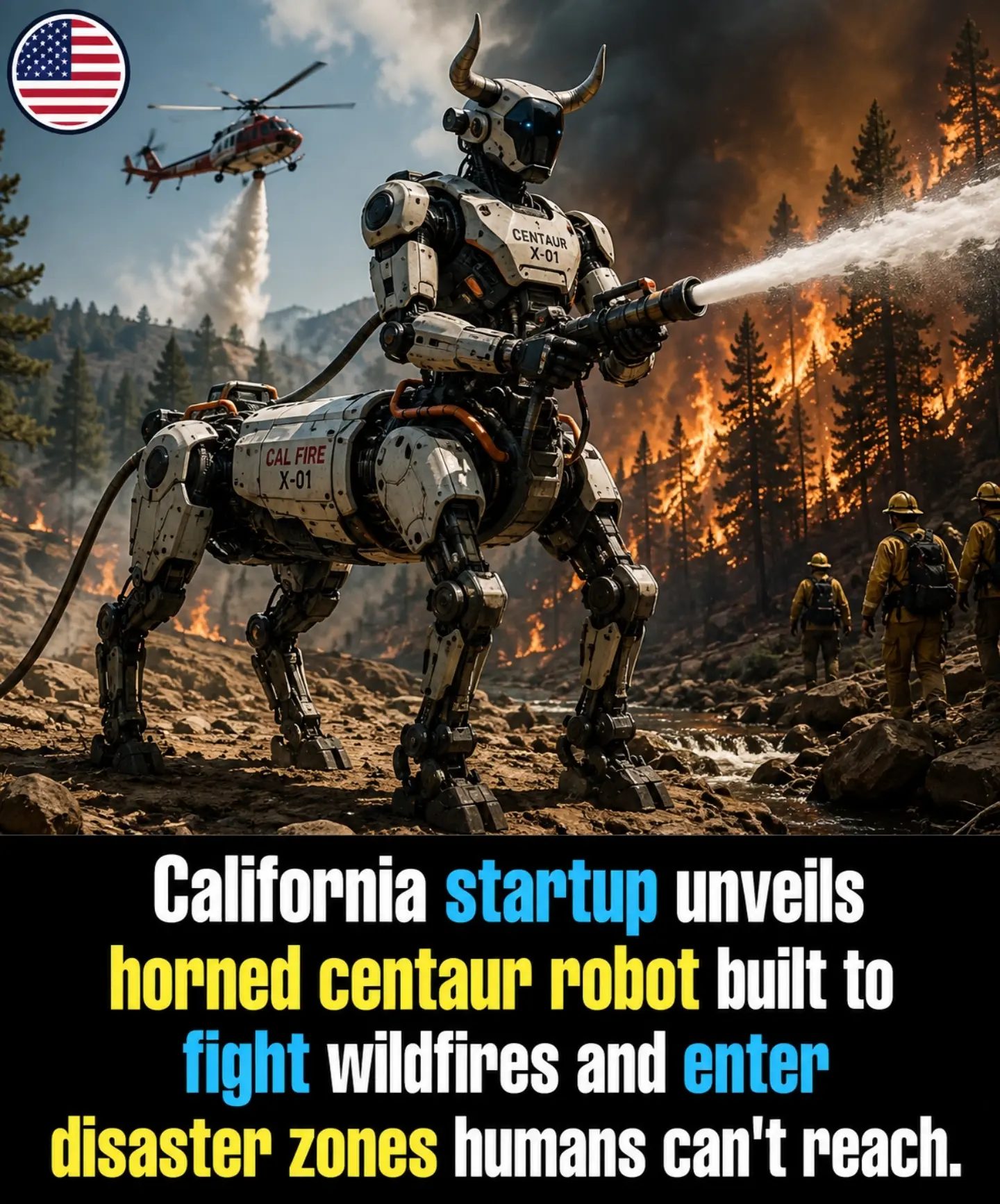
Wildfire Fighting Robots
The emergence of wildfire fighting robots marks a significant advancement in disaster response technology. These innovative machines are designed to complement the efforts of human firefighters, particularly in scenarios where human intervention becomes too hazardous. Let's delve into the world of wildfire fighting robots, exploring their design, capabilities, and the critical role they play in modern firefighting.
Context / Why this Matters
Wildfires pose a severe threat to both natural ecosystems and human communities. Traditional firefighting methods often fall short in extreme conditions, where flames can spread rapidly and unpredictably. This is where wildfire fighting robots come into play. By entering disaster zones that are inaccessible or too dangerous for humans, these robots can help mitigate the risks and enhance the effectiveness of firefighting operations.
Main Discussion
Design and Capabilities
Wildfire fighting robots, such as the CAL FIRE X-01, are engineered to withstand the harsh conditions of a wildfire. The robot resembles a centaur, combining humanoid and mechanical features to navigate rugged terrain efficiently. This design allows the robot to spray water directly onto the flames, using a powerful nozzle that can cover a wide area.
The robot is equipped with advanced sensors and cameras that provide real-time data to firefighters, enabling better situational awareness and tactical decision-making. This capability is crucial in fast-moving fire scenarios, where every second counts. The robot's ability to operate autonomously or under remote control ensures that it can continue its mission even when direct human oversight is not possible.
Autonomous and Remote-Controlled Operations
The dual capability of autonomous and remote-controlled operations makes these robots invaluable in disaster zones. Autonomous mode allows the robot to execute pre-programmed tasks, such as patrolling an area, spraying water, or gathering data without the need for constant human intervention. This feature is particularly useful in scenarios where communication signals are weak or disrupted.
In remote-controlled mode, firefighters can take direct control of the robot, guiding it through complex situations where precise maneuvers are required. This flexibility ensures that the robot can adapt to changing conditions, providing the necessary support to firefighters on the ground.
Entering Dangerous Zones
One of the most significant advantages of wildfire fighting robots is their ability to enter disaster zones that are inaccessible to humans. This includes areas with extreme heat, thick smoke, or unstable terrain. By venturing into these zones, the robots can extinguish fires that might otherwise go unchecked, preventing the fire from spreading further.
This capability not only enhances the effectiveness of firefighting efforts but also reduces the risk to human lives. Firefighters can focus on coordinating efforts and managing resources from a safer distance, while the robot handles the most dangerous tasks.
Assisting Firefighters
Wildfire fighting robots are not intended to replace human firefighters but to assist them. These robots can handle tasks that are too dangerous for humans, such as entering burning buildings or navigating through dense smoke. This allows firefighters to concentrate on other critical aspects of firefighting, such as evacuating civilians and managing resources.
The collaboration between robots and human firefighters creates a more efficient and effective response to wildfires. The robot's data-gathering capabilities provide valuable information that can be used to make informed decisions, while the robot's physical interventions help control the fire.
Practical Tips
Training and Integration
To maximize the benefits of wildfire fighting robots, it is essential to integrate them into existing firefighting protocols. This includes training firefighters on how to operate and maintain the robots, as well as developing standard operating procedures for their use in various scenarios.
Regular drills and simulations can help firefighters become familiar with the robots' capabilities and limitations, ensuring that they are used effectively in real-world situations. Additionally, ongoing training can help firefighters stay updated on the latest advancements in robotics technology, enabling them to adapt to new features and improvements.
Maintenance and Upkeep
Like any advanced technology, wildfire fighting robots require regular maintenance to ensure optimal performance. This includes routine inspections, software updates, and repairs as needed. Fire departments should have a dedicated team responsible for maintaining the robots, ensuring that they are always ready for deployment.
Regular maintenance not only extends the lifespan of the robots but also ensures that they perform reliably in high-stress situations. By keeping the robots in top condition, fire departments can maximize their effectiveness and efficiency.
Public Awareness and Education
Informing the public about the role of wildfire fighting robots can enhance community support and cooperation. Educational campaigns can highlight the benefits of these robots, explaining how they help protect lives and property during wildfires.
Public awareness can also help dispel misconceptions and fears about robots, ensuring that the community sees them as valuable tools in the fight against wildfires. This understanding can foster a more positive attitude towards the use of advanced technology in emergency response.
Important Takeaways
Wildfire fighting robots, such as the CAL FIRE X-01, represent a groundbreaking advancement in disaster response technology. Their ability to enter dangerous zones, assist human firefighters, and gather valuable data makes them an invaluable asset in the battle against wildfires. By integrating these robots into existing firefighting protocols and ensuring regular training and maintenance, fire departments can enhance their response capabilities and protect communities more effectively.
The collaboration between robots and human firefighters creates a more efficient and effective response to wildfires. This partnership not only reduces the risk to human lives but also improves the overall effectiveness of firefighting operations. As technology continues to advance, the role of wildfire fighting robots is likely to become even more critical, providing new opportunities to protect lives and property.
Conclusion
The development of wildfire fighting robots marks a significant step forward in disaster response technology. These innovative machines offer a range of capabilities that can greatly enhance firefighting efforts, from entering dangerous zones to assisting human firefighters. By embracing this technology and integrating it into existing protocols, fire departments can better protect communities and natural ecosystems from the devastating effects of wildfires. As we continue to face the challenges posed by wildfires, the role of wildfire fighting robots will undoubtedly become more important, offering new opportunities to mitigate the risks and enhance our response capabilities.
Watch the Reel
Questions readers ask
How does the CAL FIRE wildfire-fighting robot assist human firefighters?
The CAL FIRE wildfire-fighting robot complements human firefighters by operating in hazardous zones that are too dangerous for humans. It can navigate tough terrain and provide real-time data to improve firefighting strategies.
Can the CAL FIRE wildfire-fighting robot operate independently?
Yes, the CAL FIRE wildfire-fighting robot can operate autonomously, meaning it can function without real-time human control. Additionally, it can be remotely controlled when direct oversight is required.
What kind of data does the CAL FIRE wildfire-fighting robot provide?
The robot provides real-time data on the fire's behavior and environmental conditions. This information helps firefighters make informed decisions and adjust their strategies to effectively combat wildfires.
How does the CAL FIRE wildfire-fighting robot navigate challenging terrains?
The robot is equipped with advanced sensors and a durable build, allowing it to navigate through rugged, uneven, and hazardous terrains that would be impossible or dangerous for humans to traverse.
What are the benefits of using robotic firefighters in wildfire management?
Robotic firefighters can access inaccessible areas, gather crucial data, and operate continuously in hazardous conditions. This helps to mitigate risks for human firefighters and enhance overall wildfire suppression efforts.
How does the CAL FIRE wildfire-fighting robot enhance firefighting strategies?
The robot enhances firefighting strategies by providing real-time data and insights into the fire's behavior. This information allows firefighters to make timely decisions and adjust their tactics to better manage and control wildfires.
What role does remote control play in the operation of the CAL FIRE wildfire-fighting robot?
Remote control allows firefighters to guide the robot through specific tasks or areas when autonomous operation is not sufficient. This dual capability ensures flexibility and precision in various firefighting scenarios.
Related deep dives
Similar reads based on topic and creator.




Recent articles
Fresh deep dives from the latest Reels we unpacked.




Comments
Be the first to comment.