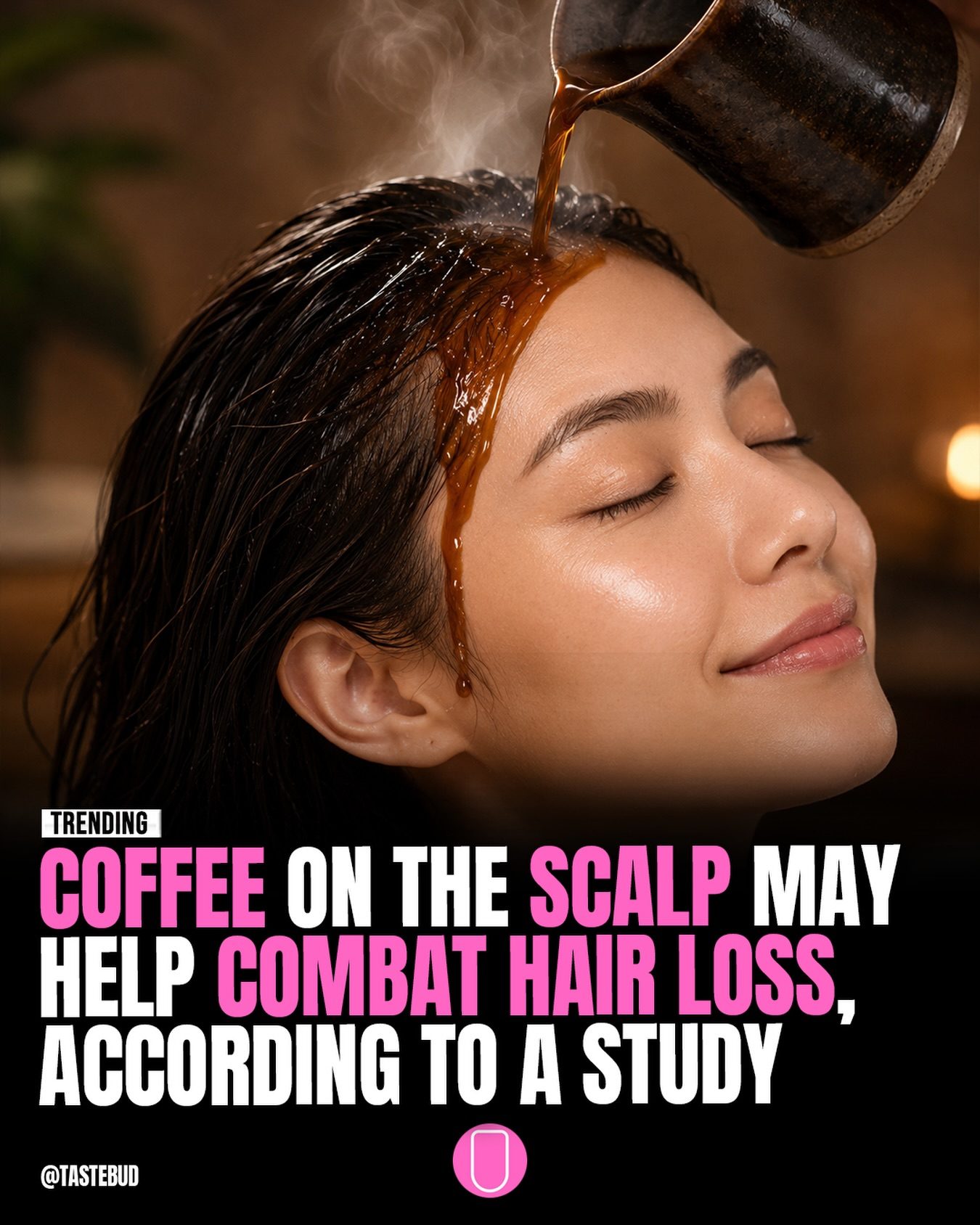
Coffee for Hair Growth: The Potential of Caffeine in Hair Treatments
Caffeine, the world's favorite morning pick-me-up, might have another benefit: promoting hair growth. Recent studies suggest that caffeine, when applied directly to the scalp, could stimulate hair follicles and counteract the effects of androgens, which are hormones associated with pattern hair loss.
Why This Matters
Hair loss is a widespread concern, and the search for effective treatments has led to the exploration of various remedies. Caffeine's potential to boost hair growth is particularly intriguing because it is a natural compound found in everyday items like coffee and tea. This discovery could pave the way for new, readily available solutions for those dealing with hair loss.
Understanding Caffeine and Hair Loss
The Role of Androgens in Hair Loss
Androgens, such as dihydrotestosterone (DHT), play a significant role in pattern hair loss. These hormones can shrink hair follicles, leading to thinner and shorter hair strands, eventually resulting in hair loss. Caffeine has been shown to counteract the effects of androgens by inhibiting the production of these hormones and supporting the growth of hair follicles.
Laboratory Research on Caffeine
Laboratory research has produced promising results, indicating that caffeine applied directly to human hair follicles can stimulate growth and counteract the growth-suppressing effects associated with androgens. This has led to an increased interest in incorporating caffeine into various hair treatments, such as shampoos, serums, and topical solutions.
Clinical Research and Caffeine
Promising Clinical Findings
Clinical research into topical caffeine products has also shown positive outcomes. Some studies have found that caffeine can help improve hair density and thickness. These findings have encouraged the beauty industry to include caffeine in a growing number of hair treatment products.
Limitations and Future Research
While the initial results are promising, it's important to note that the overall evidence is still limited. Researchers emphasize the need for better clinical trials to establish caffeine as a proven hair-loss treatment. More extensive and well-designed studies are necessary to determine the long-term effects and optimal dosage of caffeine for hair growth.
Topical vs. Ingested Caffeine
Drinking coffee isn't the same as applying caffeine directly to the scalp. When consumed, caffeine is metabolized by the body, and only a small amount reaches the scalp. Topical application, on the other hand, allows for direct contact with the hair follicles, making it a more effective method for hair growth stimulation.
Practical Tips for Using Caffeine in Hair Treatments
If you're interested in trying caffeine-based hair treatments, here are some practical tips:
Choose the Right Product
Look for products that explicitly mention caffeine as an active ingredient. These can include shampoos, conditioners, serums, and topical solutions. Ensure the product is specifically designed to target hair loss and includes a sufficient concentration of caffeine.
Consistency is Key
Like any hair treatment, consistency is crucial. Use the product as directed and give it time to work. Results may not be immediate, so it's important to continue using the product for a few months to see noticeable improvements.
Combine with Other Treatments
Caffeine-based treatments can be part of a broader hair care regimen. Consider combining them with other hair growth-promoting practices, such as massaging the scalp, using hair growth supplements, and maintaining a balanced diet.
Important Takeaways
Caffeine shows promise as a natural and readily available solution for hair loss. Laboratory and clinical research indicate that it can stimulate hair follicles and counteract the effects of androgens. However, more extensive studies are needed to confirm its effectiveness and establish safe and effective usage guidelines.
Conclusion
The potential benefits of caffeine for hair growth are exciting. As research continues, the beauty industry is likely to see more caffeine-infused products hitting the market. If you're considering incorporating caffeine into your hair care routine, consult with a healthcare professional to determine the best approach for your specific needs.
For more insights and updates on natural remedies and hair care, stay tuned and explore the world of innovative hair treatments.
Watch the Reel
Questions readers ask
How does caffeine help in promoting hair growth?
Caffeine stimulates hair follicles and counters the effects of androgens, hormones that contribute to hair loss. This process allows for longer, thicker hair growth when caffeine is applied directly to the scalp.
Can coffee be used directly on the scalp for hair growth?
While coffee contains caffeine, it's important to dilute it to avoid irritation. Brewed coffee can be diluted with water or mixed with other ingredients to create a scalp treatment. However, it is not advisable to apply it directly on the scalp, especially not undiluted.
What are the benefits of using caffeine as a topical treatment for hair loss?
Topical caffeine treatments are believed to promote hair growth by increasing blood circulation to the scalp and stimulating the hair follicles. This can result in thicker, stronger hair.
Are there any clinical studies supporting the use of caffeine for hair growth?
Yes, multiple studies have shown that caffeine can stimulate hair growth when applied topically. These studies indicate that caffeine can counteract the effects of hormones that contribute to hair loss, leading to improved hair density and thickness.
What are the potential side effects of using caffeine on the scalp?
While caffeine is generally safe for topical use, some individuals may experience side effects such as scalp irritation, itching, or redness. Always perform a patch test before applying a caffeine solution to your scalp to ensure you do not have an adverse reaction.
How long does it take to see results from using caffeine for hair growth?
The timeline for seeing results can vary. Some people may notice improvements in hair thickness and growth within a few weeks, while others may take several months to see significant changes. Consistency in application is key for optimal results.
Can caffeine help with other hair concerns, such as dandruff or dryness?
Caffeine is primarily studied for its hair growth benefits, but it may also help with certain scalp conditions. Some users report that caffeine treatments alleviate symptoms of dryness, itching, and dandruff, potentially due to the increased blood flow and enhanced scalp health. However, the effectiveness of using caffeine for these concerns is not as well-researched as its effects on hair growth.
Recent articles
Fresh deep dives from the latest Reels we unpacked.




Comments
Be the first to comment.