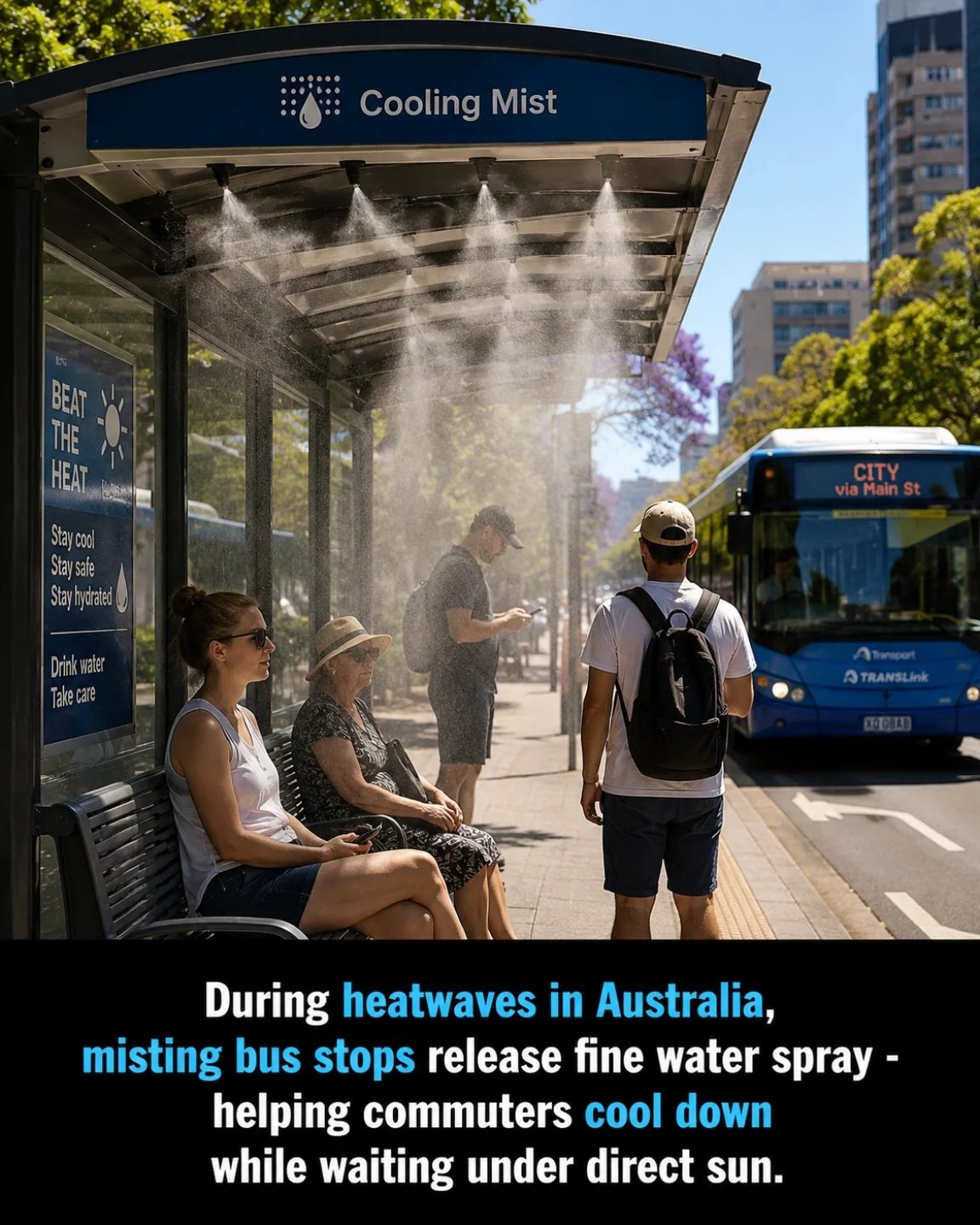
Cooling Mist Systems at Bus Stops: A Lifesaver During Heatwaves
In Australia, where summer temperatures can soar, public transportation infrastructure must adapt to keep commuters comfortable and safe. One innovative solution gaining traction is the installation of cooling mist systems at bus stops. These systems release a fine water spray that helps people cool down, making their wait for the bus more bearable, especially during heatwaves.
Why This Matters
Extreme heat can pose significant health risks, particularly for those who spend extended periods outdoors. Bus stops, often lacking shade or shelter, can become uncomfortable and even dangerous during heatwaves. The implementation of cooling mist systems addresses this issue directly, providing a simple yet effective way to mitigate the effects of high temperatures. This is especially important for essential workers, the elderly, and individuals with health conditions who may be more susceptible to heat-related illnesses.
The Function and Benefits of Cooling Mist Systems
How Cooling Mist Systems Work
Cooling mist systems operate by emitting a fine spray of water droplets into the air. These droplets evaporate quickly, absorbing heat from the surrounding environment and creating a cooling effect. The systems are typically installed at bus stops, where they can provide relief to commuters waiting for their buses. The mist is usually activated during peak heat hours and can be controlled to ensure optimal performance and water usage.
Benefits for Commuters
The primary benefit of these systems is the immediate relief they provide from high temperatures. By lowering the ambient temperature, they help prevent heat exhaustion and other heat-related health issues. This is particularly important for commuters who may be waiting for extended periods, especially during peak travel times.
Moreover, the cooling mist can make the waiting experience more pleasant, reducing stress and improving overall commuter satisfaction. Additionally, the mist can help keep surfaces cool, making it more comfortable for people to sit or lean against structures at the bus stop.
Environmental and Economic Considerations
Cooling mist systems are not only beneficial for commuters but also have environmental and economic advantages. They use significantly less water than traditional cooling methods, making them a more sustainable option. Furthermore, by reducing the need for air-conditioned spaces, they contribute to lower energy consumption and carbon emissions.
Economically, these systems can help reduce healthcare costs associated with heat-related illnesses. They also support public health initiatives aimed at mitigating the effects of climate change.
Practical Tips for Commuters and City Planners
For Commuters
- Stay Hydrated: While cooling mist systems provide relief from the heat, it's essential to stay hydrated. Always carry a water bottle and drink regularly, even if you don't feel thirsty.
- Wear Appropriate Clothing: Light, breathable fabrics can help keep you cool. Avoid dark colors, which absorb more heat.
- Find Shade: If possible, wait in shaded areas or under the mist system to maximize cooling benefits.
- Stay Informed: Pay attention to weather updates and plan your travel accordingly. During extreme heat, avoid peak travel times if possible.
For City Planners and Transportation Authorities
- Installation and Maintenance: Ensure that cooling mist systems are correctly installed and regularly maintained. This includes checking for clogged nozzles, water quality, and system efficiency.
- Strategic Placement: Place these systems in high-traffic areas and locations with minimal shade. Consider the placement of bus stops to maximize the effectiveness of the misting systems.
- Public Awareness: Educate the public about the benefits and usage of cooling mist systems. Clear signage and public announcements can help commuters understand how to use these systems effectively.
- Integrated Solutions: Combine cooling mist systems with other heat mitigation strategies, such as green infrastructure and shaded seating areas.
Important Takeaways
Heatwaves are a growing concern, and public transportation infrastructure must adapt to protect commuters. The installation of cooling mist systems at bus stops is a practical and effective solution. These systems not only provide immediate relief from high temperatures but also contribute to environmental sustainability and public health. By understanding their benefits and practical usage, both commuters and city planners can work together to create a safer, more comfortable public transportation experience.
Conclusion
In summary, cooling mist systems at bus stops offer a practical solution to combat the effects of heatwaves, providing much-needed relief to commuters. By staying informed and taking proactive measures, commuters can make the most of these systems. City planners, in turn, can ensure that these systems are installed and maintained effectively, contributing to a safer and more comfortable public transportation experience for everyone.
Watch the Reel
Questions readers ask
What are cooling mist systems and how do they help at bus stops?
Cooling mist systems are devices that emit a fine water spray to lower the ambient temperature. At bus stops, these systems help commuters beat the heat by providing immediate relief from high temperatures, making their wait for the bus more comfortable, especially during Australia's harsh summers.
Why are cooling mist systems important for public transport in Australia?
Australia's hot summers pose health risks to commuters, particularly those waiting at bus stops that often lack adequate shade. Cooling mist systems directly address this issue by offering a simple and effective way to cool down, enhancing commuter comfort and safety during extreme heat.
How do cooling mist systems work?
Cooling mist systems operate by releasing a fine mist of water into the air. This mist evaporates quickly, absorbing heat from the surroundings and creating a cooling effect. The systems are designed to be safe and efficient, ensuring that commuters can stay cool while waiting for their bus.
Are cooling mist systems only used in Australia?
While cooling mist systems are particularly beneficial in Australia due to the intense summer heat, they are also employed in other regions around the world with similar climatic challenges. Anywhere with hot summers and public transport stations can benefit from these systems.
What are the benefits of cooling mist systems for commuters?
For commuters, cooling mist systems provide much-needed relief from the heat, reducing discomfort and potential health risks associated with prolonged exposure to high temperatures. These systems make public transport more appealing and accessible, especially during heatwaves.
How can cooling mist systems be integrated into existing bus stop infrastructure?
Cooling mist systems can be easily integrated into existing bus stop infrastructure with minimal disruption. They are typically installed above or near seating areas and can be connected to the local water supply. Many systems are designed to be energy-efficient and low-maintenance.
What are the health benefits of using cooling mist systems at bus stops?
The primary health benefit of using cooling mist systems at bus stops is the prevention of heat-related illnesses. By lowering the temperature and providing a refreshing mist, these systems help to reduce the risk of heat exhaustion, dehydration, and other heat-related conditions, ensuring commuters stay healthy while waiting for their buses.
Related deep dives
Similar reads based on topic and creator.

Recent articles
Fresh deep dives from the latest Reels we unpacked.




Comments
Be the first to comment.