Burger King and the U.S. Military in Afghanistan
During the war in Afghanistan, the U.S. military made significant efforts to maintain morale and provide comforts to deployed troops. One of the most notable initiatives was the establishment of fast food outlets, including Burger King, at major bases like Bagram Airfield. These restaurants were not just about serving familiar food; they were part of a broader strategy to boost morale and offer a small taste of home to service members stationed far from it.
Context / Why this Matters
Morale and logistics are critical components of military operations, especially in prolonged conflicts. Providing familiar amenities, such as fast food outlets, helped soldiers cope with the stress and isolation of deployment. These initiatives were a significant part of the overall strategy to keep morale high and maintain the well-being of troops. The presence of a Burger King at Bagram Airfield served as a reminder of home and a brief respite from the harsh realities of war.
Main Discussion
The logistics of Operating a Fast Food Outlet in a War Zone
Establishing and operating a fast food outlet in a war zone like Afghanistan was a complex logistical challenge. It required careful coordination and significant resources to ensure the supply chain remained uninterrupted. The U.S. military had to manage the transportation of food, equipment, and personnel, often under dangerous conditions. Despite these challenges, the effort was deemed valuable for maintaining morale.
The Morale Impact
For soldiers, having access to familiar fast food like Burger King provided more than just a meal. It served as a reminder of home and a brief escape from the harsh realities of war. Engaging in a typical routine, such as eating a burger and fries, was a small comfort that made a significant difference in their daily lives. This initiative was part of a broader effort to maintain the psychological well-being of troops.
The Air Force Cargo Plane Operation
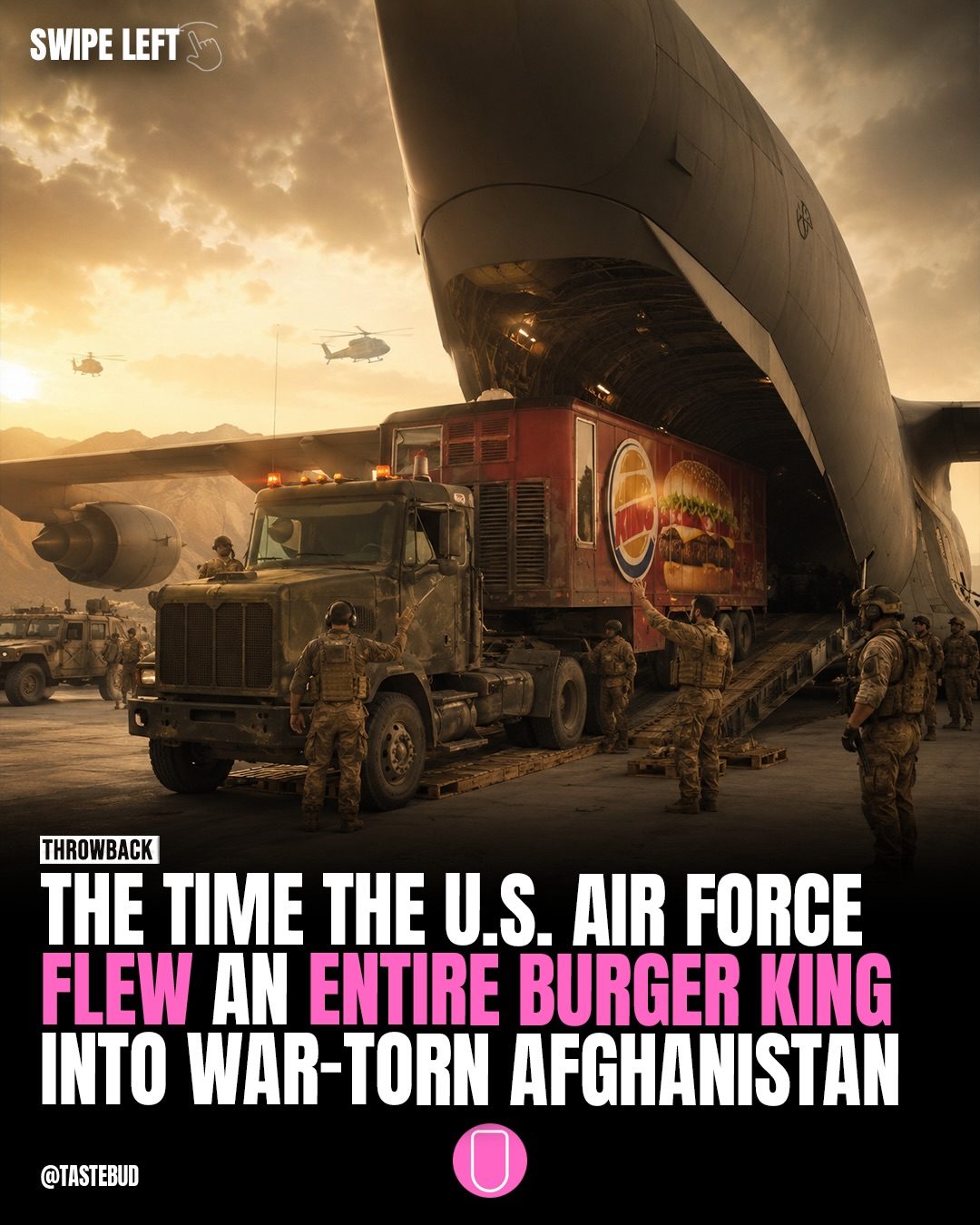
The visual depiction of a Burger King food truck being loaded onto a U.S. Air Force cargo plane adds a humorous twist to the story. The scene is staged to resemble a military operation, highlighting the extraordinary measures taken to deliver this familiar comfort to deployed troops. While the actual logistics were undoubtedly more complex, the visual serves as a lighthearted reminder of the lengths gone to provide solace to the troops.
Practical Tips
Maintaining Troop Morale
For those involved in military planning, the experience of establishing fast food outlets in Afghanistan offers several practical insights. To be effective, morale-boosting initiatives should be:
- Grounded in familiar comforts: Providing familiar food and amenities can significantly enhance morale by offering a brief respite from the realities of war.
- Logistically feasible: Ensure that the efforts are well-coordinated and resourced to overcome the challenges of operating in a war zone.
- Sustained over time: Consistent efforts are more effective than one-off initiatives; maintaining regular availability of these comforts is crucial.
Important Takeaways
The efforts to establish fast food outlets, including Burger King, at major military bases in Afghanistan highlight the critical role of morale in military operations. These initiatives not only provided familiar food but also served as a small reminder of home, which was invaluable to troops coping with the hardships of deployment. The logistical challenges were substantial, but the positive impact on morale made the effort worthwhile.
Conclusion
The presence of fast food outlets like Burger King at military bases in Afghanistan was more than just a convenience. It was a vital part of the strategy to maintain the morale and well-being of deployed troops. The extraordinary measures taken to provide these familiar comforts underscore the importance of logistics and morale in military operations. This initiative serves as a reminder of the lengths the military went to ensure that soldiers had a taste of home, even in the midst of war.
Watch the Reel
Questions readers ask
Why did the U.S. military bring Burger King to Afghanistan?
The U.S. military brought Burger King to Afghanistan as part of a strategy to boost troop morale and provide a sense of home for soldiers deployed far from their families. Familiar comforts like fast food helped soldiers cope with the stress and isolation of war.
Which military bases in Afghanistan had Burger King outlets?
Burger King was established at major bases such as Bagram Airfield. These bases were key locations for U.S. military operations and thus prime spots for morale-boosting initiatives.
What other fast food chains operated in Afghanistan alongside Burger King?
While Burger King was notable, other fast food chains like Pizza Hut and Subway also operated in Afghanistan, contributing to the overall effort to provide familiar comforts to deployed troops during the war.
How did Burger King contribute to the well-being of soldiers in Afghanistan?
Burger King contributed to the well-being of soldiers by serving as a reminder of home and providing a break from the usual military rations. This small comfort helped soldiers deal with the challenges of deployment and maintained overall morale.
Were there any other amenities provided to troops besides fast food?
Yes, besides fast food, the military also provided other amenities like recreational facilities, internet access, and various entertainment options to enhance the overall experience and morale of the troops deployed in Afghanistan.
What role did logistics play in the establishment of Burger King in Afghanistan?
Logistics played a crucial role in establishing Burger King in Afghanistan. Ensuring a steady supply of ingredients and maintaining the operational integrity of the outlets required careful planning and execution by the military and the company itself.
Did Burger King's presence in Afghanistan have any impact on local communities?
While the primary focus was on supporting U.S. troops, the presence of Burger King and other fast food outlets indirectly benefited local communities by creating jobs and stimulating economic activity around military bases in Afghanistan.
Related deep dives
Similar reads based on topic and creator.




Recent articles
Fresh deep dives from the latest Reels we unpacked.




Comments
Be the first to comment.