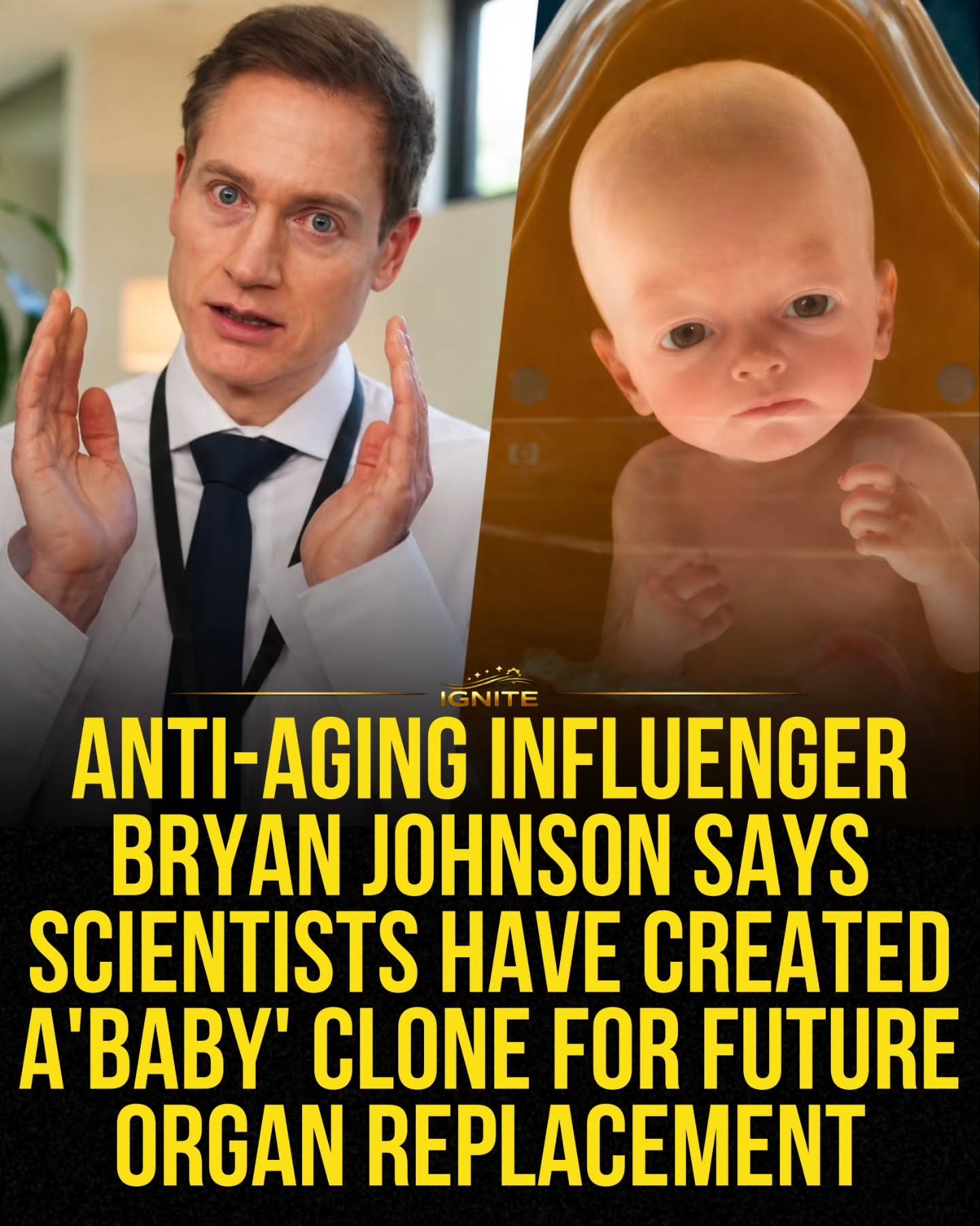
Cloning and Organ Replacement
Cloning technology has long been a subject of fascination and debate. Anti-aging influencer Bryan Johnson recently claimed that scientists have created a ‘baby’ clone for future organ replacement, sparking both excitement and apprehension. This groundbreaking development could revolutionize the fields of organ transplantation and disease treatment.
Why This Matters
The potential applications of cloning technology are vast. Johnson's claim that he has cloned himself as a newborn opens up possibilities for personal organ replacement, therapy testing, and even the development of new treatments. This isn’t just a futuristic concept; clinical trials are already utilizing similar technology to restore dopamine, a crucial neurotransmitter, in patients.
The Process: From Blood Draw to Embryonic-like State
The process Johnson described involves several critical steps:
- Blood Draw and Cell Extraction: The process begins with a simple blood draw, where cells are extracted from the individual.
- Application of Yamanaka Factors: These are a set of genes that can reprogram adult cells to an embryonic-like state, effectively resetting their epigenetic age. This step is crucial for creating a viable clone.
- Creating the Clone: Through advanced cloning techniques, a new organism is created using the reprogrammed cells. In Johnson's case, this clone is a newborn version of himself.
- Testing and Transplantation: The clone can then be used for various purposes, such as testing new therapies, growing organs for transplantation, and injecting young cells to treat age-related diseases.
Potential Applications
The potential applications of this technology are immense:
- Organ Transplantation: Clones can be used to grow specific organs that match the individual's genetic makeup, reducing the risk of rejection.
- Disease Treatment: Therapies can be tested on the clone before being administered to the individual, ensuring safety and efficacy.
- Aging and Rejuvenation: Injecting young cells from the clone into the individual can potentially reverse the effects of aging.
Ethical and Social Implications
While the potential benefits are clear, the ethical and social implications of cloning technology must also be considered. Some may view this as a dystopian future, filled with potential pitfalls and ethical dilemmas. However, others see it as an inevitable step forward in healthcare. The technology could offer hope to those suffering from organ failure, genetic diseases, and age-related conditions.
Practical Tips for Understanding Cloning
While cloning technology is still in its early stages, there are several practical tips to help you stay informed:
- Stay Updated: Keep an eye on scientific journals and reputable news sources for the latest developments in cloning technology.
- Understand the Process: Familiarize yourself with the steps involved in cloning, from cell extraction to the creation of the clone.
- Consider the Ethical Implications: Think about the potential benefits and drawbacks of cloning technology, and consider how it might impact society.
Important Takeaways
Cloning technology has the potential to revolutionize organ transplantation and disease treatment. By creating a ‘baby’ clone, scientists can grow organs, test therapies, and develop new treatments. The ethical and social implications of this technology must be carefully considered, but the potential benefits are undeniable. Stay informed about the latest developments and consider the implications for yourself and society.
Conclusion
The advent of cloning technology, as claimed by Bryan Johnson, presents both exciting opportunities and challenging questions. As we continue to explore the potential of this technology, it is crucial to stay informed and consider the ethical and social implications. The future of healthcare may very well be shaped by these advancements, offering hope to those in need of organ replacement and disease treatment.
Watch the Reel
Questions readers ask
What is Bryan Johnson's involvement in organ cloning technology?
Bryan Johnson, a prominent anti-aging influencer, has sparked conversations about cloning by announcing that scientists have created a 'baby' clone of himself. This clone is intended for future organ replacement, showcasing his interest in the cutting-edge medical field of organ cloning and therapy development.
How does cloning technology relate to organ transplants?
Cloning technology has the potential to revolutionize organ transplants by allowing for the creation of personalized, bioengineered organs. This could eliminate the need for donor organs, reduce the risk of rejection, and address the scarcity of organs available for transplant.
What are the potential benefits of creating a 'baby' clone for organ replacement?
Creating a 'baby' clone for organ replacement offers several benefits, including the ability to grow personalized organs that are genetically identical to the recipient, reducing the likelihood of organ rejection. It also opens the door to testing new therapies and treating diseases on a personalized level.
What role do stem cells play in organ cloning for transplants?
Stem cells are a crucial component in organ cloning for transplants. They can be used to generate the specialized cells needed to create new organs, and their ability to differentiate into various cell types makes them invaluable in the development of personalized, bioengineered organs.
What are some future trends in organ cloning technology?
Future trends in organ cloning technology include the development of more sophisticated methods for growing bioengineered organs, advancement in stem cell research, and the potential for cloning to be used in treating a wider range of diseases beyond organ replacement. These advancements could make organ transplants more accessible and effective.
What are personalized organ growth and how is it achieved?
Personalized organ growth in cloning involves generating new organs that are genetically identical to the recipient using their own stem cells or cloned DNA. This process can help eliminate the risk of organ rejection and ensure that the new organ is a perfect genetic match.
How are clinical trials currently using cloning technology for organ transplants?
Clinical trials are already exploring the use of cloning technology to restore crucial neurotransmitters, such as dopamine, in patients. This is just the beginning of how cloning can be utilized in organ transplants, potentially leading to more advanced therapies and treatments in the future.
Related deep dives
Similar reads based on topic and creator.




Recent articles
Fresh deep dives from the latest Reels we unpacked.




Comments
Be the first to comment.