The Path to Independence: How Debt and Taxation Sparked the American Revolution
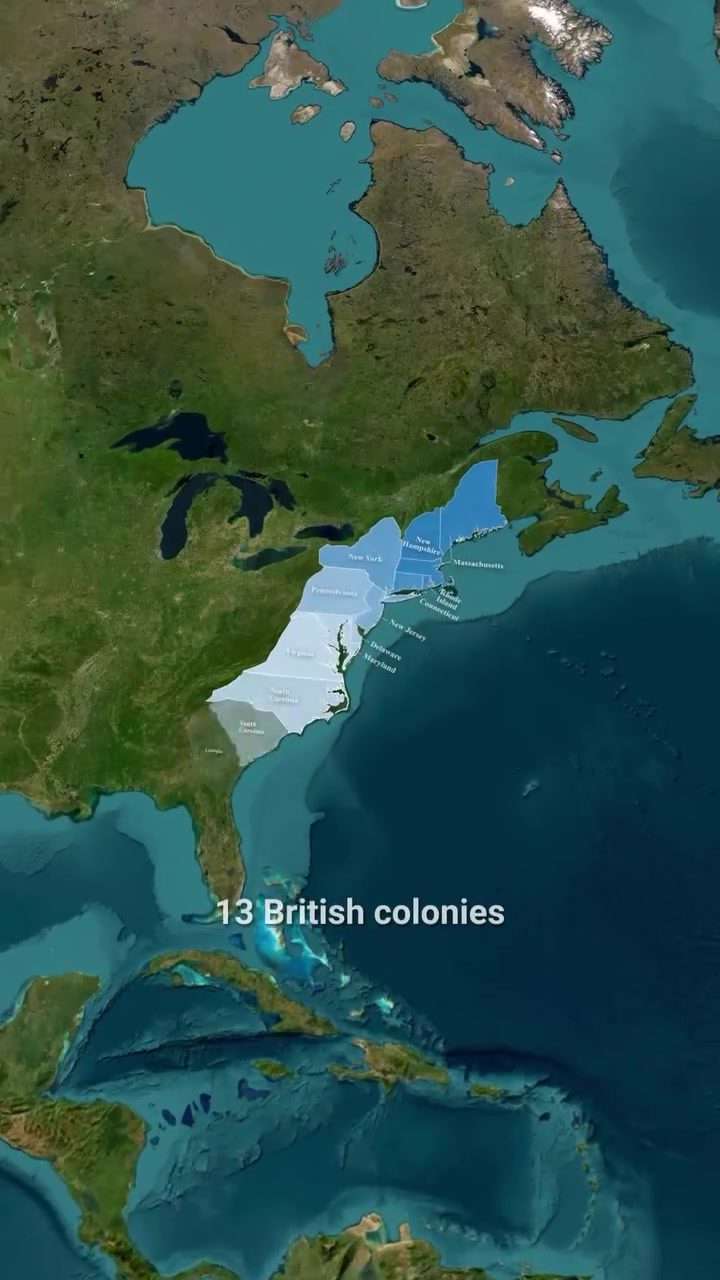
The 13 British colonies in America declared independence from Britain in 1776, marking a pivotal moment in history. This wasn't a spontaneous decision; it was the culmination of decades of tensions, primarily driven by debt and taxation. To understand the colonies' journey to independence, it's essential to delve into the events leading up to the American Revolution.
Why This Matters
The story of the 13 colonies' path to independence is intricately linked to Britain's financial struggles and its attempts to levy taxes on the colonies. The Seven Years' War, also known as the French and Indian War in America, played a pivotal role in shaping the colonies' future. Britain's victory in this war came at a significant financial cost, leaving the country deeply in debt.
The Seven Years' War and Its Aftermath
The Seven Years' War (1756-1763) was a global conflict that involved most of the major powers of the time. In North America, it was fought between Britain and France, with the British colonies playing a crucial role. Britain's victory was decisive, resulting in significant territorial gains, including Canada and parts of the Caribbean. However, these gains came at a high financial price, leaving Britain with a massive debt of approximately £133 million.
Britain's Debt and the Colonies
To recover from this financial burden, Britain turned to the colonies, arguing that they owed a debt of gratitude for being protected from French aggression. The colonies, however, saw things differently. They resented Britain's claim and were unwilling to shoulder the financial burden alone. This disagreement set the stage for a series of events that would ultimately lead to independence.
The Sugar Act and the Stamp Act
In an attempt to recoup some of its war expenses, Britain implemented a series of taxes on the colonies. The first of these was the Sugar Act of 1764. This act placed taxes on imported goods such as molasses, sugar, coffee, and certain fabrics. The colonies did not take kindly to these new taxes, seeing them as an infringement on their rights and a burden on their economy.
The Stamp Act of 1765 was even more controversial. This act required the colonies to pay a tax on almost every official paper, including newspapers, contracts, licenses, court documents, and even playing cards. The colonies were outraged, as they saw this as a direct tax without representation, a principle that would become a rallying cry for the revolution.
Colonial Response
The colonies responded to these taxes with protests and boycotts, but the British government remained steadfast. In 1770, tensions came to a head in Boston with the Boston Massacre. A confrontation between British soldiers and colonial protesters resulted in the deaths of five colonists. This event fueled anti-British sentiment and further united the colonies in their opposition to British rule.
The Boston Tea Party
In response to the increasing tension, Britain passed a series of punitive measures known as the Intolerable Acts. These acts included the closure of the port of Boston, the limitation of self-governance, and the increase of British military presence. In response, a group of colonists, dressed as Native Americans, boarded British ships and dumped more than 300 chests of tea into the harbor. This event, known as the Boston Tea Party, further escalated tensions and solidified the colonies' resolve for independence.
The First and Second Continental Congress
The First Continental Congress, held in 1774, marked the first time the colonies came together to collectively address their grievances with Britain. They drafted a petition to the king, but it was rejected. Undeterred, the colonies continued to prepare for potential conflict. In 1775, the Second Continental Congress convened, and the colonies began to form a Continental Army, appointing George Washington as its commander-in-chief.
The Shot Heard Around the World
The American Revolution officially began on April 19, 1775, with the Battles of Lexington and Concord. The first shot fired in this conflict is often referred to as "the shot heard around the world," symbolizing the start of a global movement for independence and self-governance.
The Declaration of Independence
Despite efforts to negotiate peace, the colonies ultimately voted to declare independence. On July 2, 1776, the colonies formally voted to break away from Britain. Two days later, on July 4, they adopted the Declaration of Independence, written by Thomas Jefferson. This document articulated the colonies' grievances and asserted their right to self-governance, stating that "all men are created equal, that they are endowed by their Creator with certain unalienable Rights, that among these are Life, Liberty and the pursuit of Happiness."
The Paradox of Freedom
While the Declaration of Independence marked a significant step towards freedom, it is essential to acknowledge the paradox of its author. Thomas Jefferson, who penned these profound words, was a slave owner. This contradiction highlights the complex nature of the American Revolution and the ongoing struggle for true equality and freedom.
Practical Tips for Understanding Colonial History
Exploring the history of the American Revolution can be both fascinating and complex. Here are a few tips to help you navigate this period more effectively:
Read Primary Sources
To gain a deeper understanding of the colonial perspective, read primary sources such as letters, diaries, and official documents from the time. These firsthand accounts can provide valuable insights into the thoughts and feelings of the people involved.
Study Key Figures
The American Revolution was shaped by a diverse cast of characters, from colonial leaders like George Washington and Thomas Jefferson to British officials and ordinary citizens. Learning about these individuals can help you better understand the motivations and actions that drove the revolution.
Use Historical Maps
Maps can be a powerful tool for understanding the geographical context of historical events. Study maps of colonial America to see how different regions were affected by the revolution and how they contributed to the overall conflict.
Important Takeaways
Understanding the path to independence taken by the 13 colonies involves recognizing the significant role that debt and taxation played in fueling colonial resentment. Key events such as the Seven Years' War, the Sugar Act, the Stamp Act, the Boston Massacre, the Boston Tea Party, and the Continental Congresses all contributed to the growing independence movement. The Declaration of Independence, with its profound statements about human rights, marked a turning point in global history, even as it highlighted the ongoing struggle for true equality.
Conclusion
The journey of the 13 colonies to independence was a complex and multifaceted process driven by debt, taxation, and a desire for self-governance. From the financial struggles of post-war Britain to the colonists' resistance against oppressive taxes, each event and decision paved the way for the American Revolution. The Declaration of Independence served as a beacon of hope and a call to action, resonating far beyond the borders of the colonies and inspiring generations to come.
Watch the Reel
Questions readers ask
How did Britain's Seven Years' War debt affect the American colonies?
Britain's massive debt from the Seven Years' War led to increased taxation on its American colonies. This financial strain was a direct result of Britain's need to recoup war expenses and maintain a strong military presence in North America to protect and control the territories gained during the war.
What specific taxes imposed by Britain on the American colonies sparked the most resentment?
Several taxes imposed by Britain on the American colonies sparked significant resentment. These included the Sugar Act of 1764, the Stamp Act of 1765, and the Townshend Acts of 1767. The colonists felt these taxes were unfair and unconstitutional, as they were not represented in the British Parliament.
How did the colonies respond to the increased taxation from Britain?
The colonies responded with various forms of resistance to the increased taxation. Protests, boycotts, and the formation of groups like the Sons of Liberty were common. The colonists argued for 'no taxation without representation,' demanding that they have a say in how they were taxed.
What role did the French and Indian War play in the tensions leading to the American Revolution?
The French and Indian War, which was part of the larger Seven Years' War, significantly increased Britain's debt. To offset these costs, Britain imposed new taxes on the colonies, which the colonists saw as an unjust financial burden. This financial stress contributed to the growing discontent and eventual push for independence.
Why did the colonists feel that the taxes imposed by Britain were unjust?
The colonists felt the taxes were unjust because they had no representation in the British Parliament. The phrase 'no taxation without representation' became a rallying cry, encapsulating their belief that it was unfair for Britain to impose taxes on them without their consent or input.
Related deep dives
Similar reads based on topic and creator.


Recent articles
Fresh deep dives from the latest Reels we unpacked.




Comments
Be the first to comment.