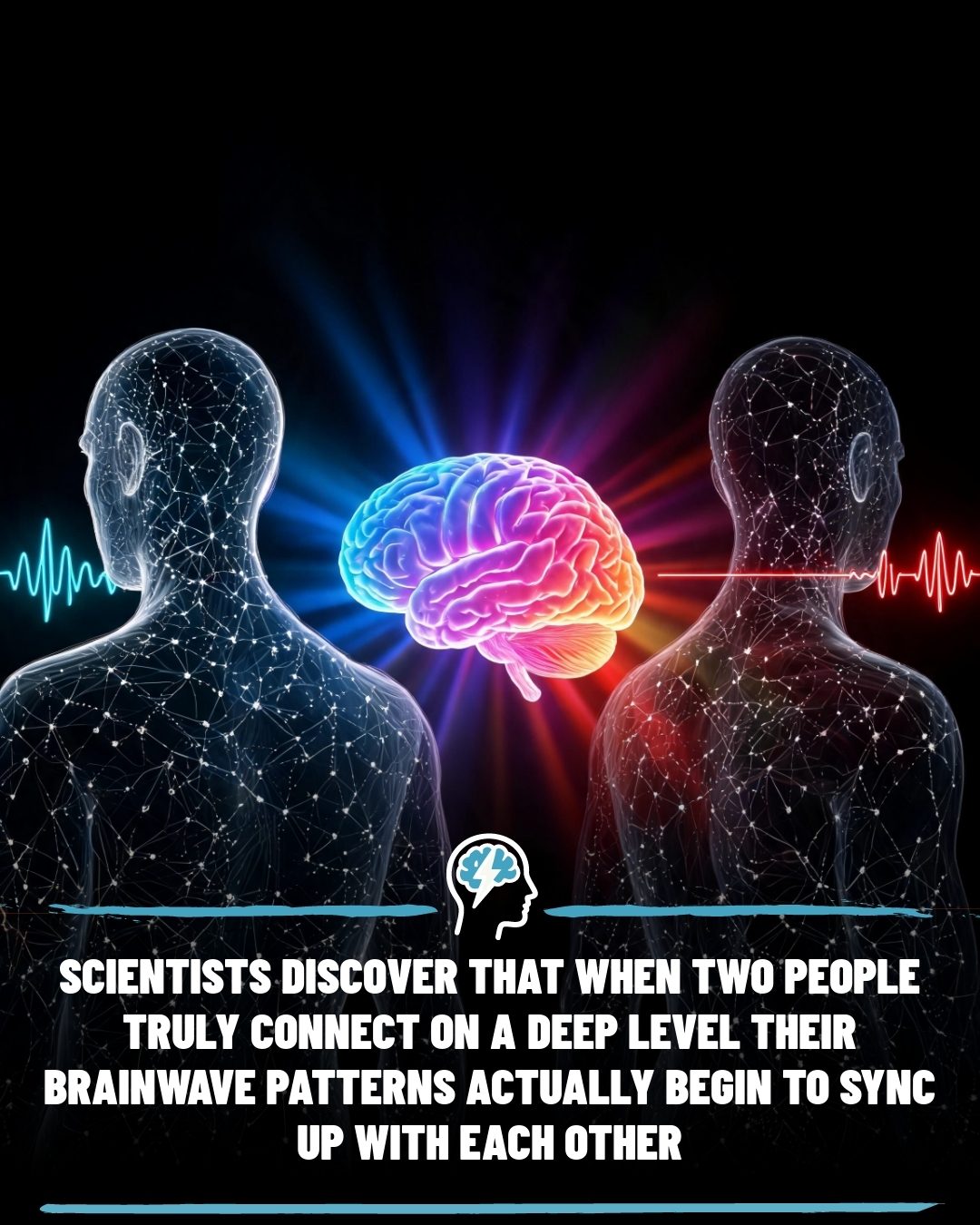
Brainwave Synchronization
When you engage in a deep conversation or share a powerful moment with someone, your brainwaves start to synchronize. This phenomenon, known as neural coupling, is more than just a feeling—it’s a measurable event backed by scientific research. Understanding brainwave synchronization can offer insights into how we connect with others and enhance our interpersonal relationships.
Context / Why this matters
Brainwave synchronization occurs when the brainwave patterns of two or more individuals begin to align. This alignment is not just a metaphorical concept; it is a biological process that can be measured and studied. Scientists have found that when people truly connect on a deep level, their brainwave patterns actually begin to sync up with each other. This synchronization is particularly evident in the prefrontal cortex, the part of the brain associated with decision-making, social behavior, and personality expression.
The implications of brainwave synchronization are vast. It suggests that genuine attention and presence are not just polite gestures but biological necessities for effective communication and social bonding. This understanding can transform how we approach education, therapy, and social interactions, especially for those who struggle with social connection.
Main discussion
The Mechanism of Neural Coupling
Neural coupling involves the synchronization of brainwave patterns between individuals during communication. When a listener’s brain activity starts to mirror the speaker’s, it indicates a deeper level of understanding and connection. This synchronization is most prominent in the prefrontal cortex, where decision-making and social behavior are regulated.
Research has shown that stronger social bonds correlate with higher brainwave alignment. The more a listener's brain tracks the speaker's, the better they understand the story being conveyed. This synchronization is not limited to one-on-one conversations; it can occur in classrooms, social groups, and any space where people are engaged in the same activity.
The Role of Genuine Attention
Genuine attention is not just about being polite; it is a biological response that facilitates brainwave synchronization. When you truly focus on someone, you are not just hearing their words—you are shifting your own internal state to match theirs. This alignment is what builds empathy, cooperation, and the ability to work through hard things together.
Distractions and lack of focus can disrupt this harmony. The second people get distracted or check out, the synchronization fades. This highlights the importance of being fully present in conversations and interactions.
Applications and Future Directions
As researchers map these patterns more precisely, brainwave synchronization could shape the future of education, therapy, and communication. For example, understanding how brainwaves sync in a classroom setting could help educators create more effective learning environments. In therapy, this knowledge could be used to improve communication and social skills for individuals who struggle with these areas.
Moreover, brainwave synchronization could enhance our understanding of human connection. It shows that human connection is not just a feeling but a biological process that physically binds us together. This insight could lead to new approaches in social science, psychology, and neuroscience.
Practical tips
- Practice Active Listening: Pay full attention to the speaker and show that you’re listening. This not only shows respect but also helps in synchronizing brainwaves.
- Minimize Distractions: Ensure a distraction-free environment to maintain focus and enhance brainwave synchronization.
- Engage in Meaningful Conversations: Deep, meaningful conversations are more likely to lead to brainwave synchronization compared to superficial chats.
- Be Present: Focus on the person you are interacting with. Being fully present can deepen the connection and facilitate brainwave alignment.
- Encourage Group Activities: Engage in activities that promote group interaction and shared focus.
Important takeaways
- Brainwave Synchronization is Real: When two people connect deeply, their brainwaves actually start to sync up. This is a measurable and scientifically proven phenomenon.
- Genuine Attention Matters: Being fully present and attentive is not just polite; it is biologically necessary for effective communication and social bonding.
- Applications are Vast: Understanding brainwave synchronization can transform education, therapy, and social interactions, especially for those who struggle with social connection.
Conclusion
Brainwave synchronization is a fascinating and scientifically validated phenomenon that occurs when people connect deeply. It shows that human connection is not just an abstract concept but a biological process that can be measured and studied. By understanding and leveraging this phenomenon, we can enhance our interpersonal relationships, improve communication, and create more effective social and educational environments. Whether in one-on-one conversations, classrooms, or social groups, the power of presence and genuine attention can lead to deeper connections and a more harmonious world.
Watch the Reel
Questions readers ask
What exactly is brainwave synchronization?
Brainwave synchronization, also known as neural coupling or brainwave alignment, is a process where the brainwave patterns of two or more individuals begin to match. This happens naturally during deep, meaningful interactions and can be measured, particularly in the prefrontal cortex of the brain.
How does brainwave synchronization affect social bonding?
Brainwave synchronization enhances social bonding by creating a deeper, more meaningful connection between individuals. When brainwaves align, it indicates a strong presence and understanding between people, fostering a greater sense of rapport and mutual connection.
Can brainwave synchronization occur in group settings?
Yes, group brainwave synchronization is possible. When a group of people engage in a shared activity or discussion, their brainwaves can begin to align, creating a collective neural bonding that can enhance group cohesion and shared understanding.
What role does the prefrontal cortex play in brainwave synchronization?
The prefrontal cortex is a key area of the brain involved in brainwave synchronization. It is responsible for complex cognitive functions and is where the alignment of brainwave patterns is most commonly measured during social interactions.
How can I improve brainwave synchronization in my conversations?
To enhance brainwave synchronization in your conversations, focus on being fully present and engaged. Listen actively, show genuine interest, and strive for a deep communication connection. Avoid distractions and create an environment that encourages open and meaningful dialogue.
Is brainwave synchronization a conscious process or does it happen automatically?
Brainwave synchronization is typically an automatic process that occurs when people are deeply engaged in an interaction. It is not something that can be consciously controlled, but rather a result of genuine presence and meaningful communication.
What are the benefits of brainwave synchronization in daily life?
Brainwave synchronization can lead to improved understanding, stronger social connections, and enhanced empathy. It can make your interactions more meaningful and satisfying, both in personal and professional settings, by fostering a deeper sense of connection and mutual understanding.
Related deep dives
Similar reads based on topic and creator.


Recent articles
Fresh deep dives from the latest Reels we unpacked.




Comments
Be the first to comment.