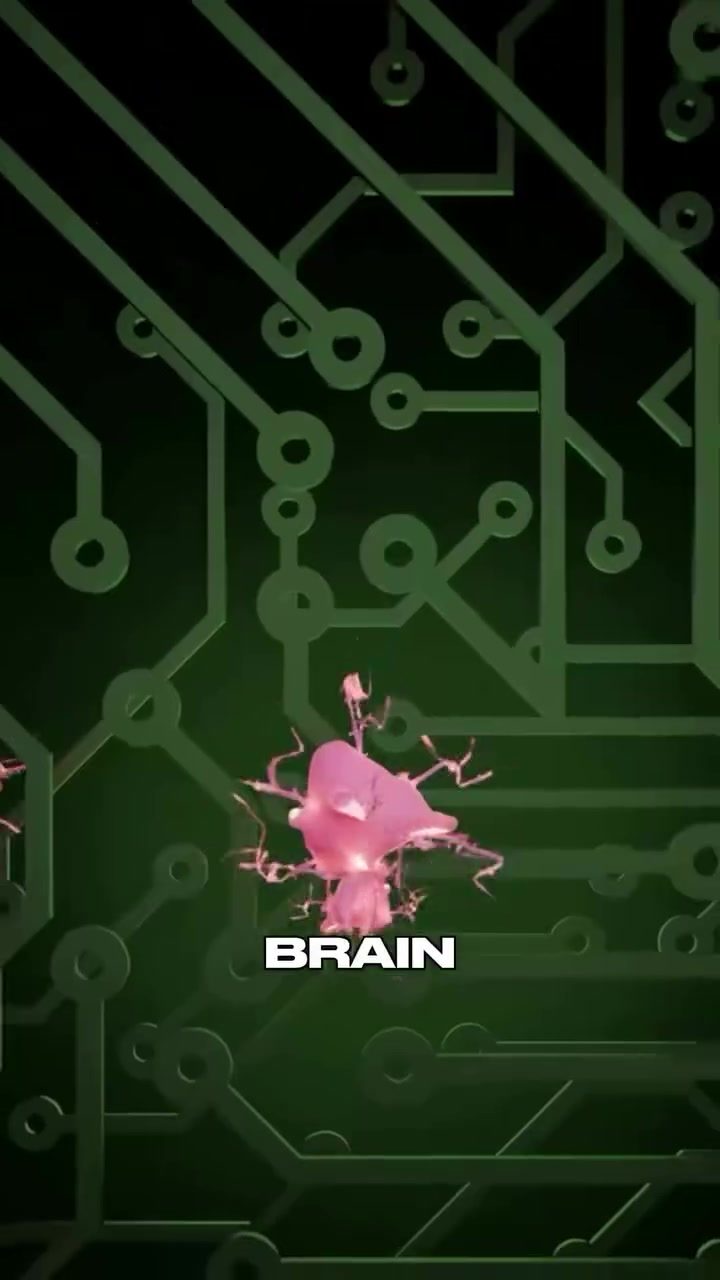
Brain Cells on a Chip: Advancements in Neurotechnology
The merging of brain cells with digital technology has taken a significant leap with the development of tiny chips that enable brain cells to control digital devices. In this case, the device is a simplified version of the classic game Pong. The chip, wired into a Pong setup, allowed brain cells to control the paddle and interact with the game. This groundbreaking experiment showcases the potential of neurotechnology and its possible applications in various fields.
Context: Why this Matters
This development highlights the remarkable progress in neurotechnology and biological AI. By growing brain cells on a chip and integrating them with a digital system, scientists have opened new avenues for understanding and leveraging the adaptability of neural networks. This research has profound implications for future technologies that could revolutionize fields like medicine, robotics, and artificial intelligence.
The Pong Experiment
The Chip and the Game
The experiment involved growing brain cells on a tiny chip and then connecting that chip to a simplified version of the game Pong. The brain cells were tasked with controlling the paddle, with the system providing feedback in the form of rewards and punishments. When the cells successfully moved the paddle to hit the ball, they received a reward. Conversely, when they missed, they received a punishment.
Learning and Adaptation
Over time, the feedback mechanism influenced how the cells controlled the paddle. The cells began to hit the ball more frequently, demonstrating their ability to learn and adapt outside of a human body. This adaptive behavior is a testament to the intrinsic learning capabilities of neural cells, even in a controlled, digital environment.
Components of the System
The success of this experiment hinged on several key components:
- Brain Cells: The primary actors in this setup, the brain cells were grown on a chip and wired into the Pong game.
- Feedback System: The system provided immediate feedback, rewarding successful hits and punishing misses. This feedback loop is crucial for learning and adaptation.
- Pong Game: The simplified version of Pong served as a controlled environment for the brain cells to interact with, providing a clear and measurable task.
- Rewards and Punishments: These served as the motivators for the brain cells, influencing their behavioral changes over time
Main Discussion
The Role of Feedback
Feedback is a critical element in this experiment. It allows the brain cells to learn and adapt. The immediate reinforcement of rewards and punishments helped the cells understand the desired behavior and adjust their actions accordingly. This principle can be applied in various scenarios, from training AI to developing new therapies for neurological disorders.
Potential Applications
The implications of this research are vast and varied. Some of the potential applications include:
- Medical Research: Understanding how brain cells adapt and learn outside the body can lead to new treatments for neurological disorders.
- Artificial Intelligence: The principles of this experiment can be applied to develop more adaptive and intelligent AI systems.
- Robotics: Enhanced brain-machine interfaces could lead to more intuitive and responsive robotic systems.
Challenges and Considerations
While the experiment is a significant breakthrough, it also presents several challenges and ethical considerations. Some of the key challenges include:
- Scalability: Scaling this technology for practical applications will require overcoming significant technical hurdles.
- Ethical Implications: The use of brain cells in digital systems raises ethical questions that need to be carefully considered.
- Technological Limitations: The current technology may have limitations in terms of speed, accuracy, and reliability, which need to be addressed for broader applications.
Practical Tips for Understanding Neurotechnology
Exploring neurotechnology can be both exciting and daunting. Here are some practical tips to help you navigate this cutting-edge field:
Stay Informed
Keep up with the latest research and developments in neurotechnology. Follow reputable sources and stay informed about the latest breakthroughs and innovations.
Understand the Basics
Having a solid understanding of the fundamental principles of neurotechnology can help you appreciate the significance of advancements like the Pong experiment. Familiarize yourself with key concepts such as neural networks, feedback mechanisms, and brain-machine interfaces.
Engage with the Community
Join online forums, attend conferences, and engage with professionals in the field. This will provide you with valuable insights and opportunities to learn from experts.
Experiment and Explore
If you have the means, try your hand at some basic experiments or projects related to neurotechnology. This hands-on experience can deepen your understanding and spark new ideas.
Important Takeaways
The experiment with brain cells on a chip controlling a Pong game represents a significant advancement in neurotechnology. It demonstrates the adaptability and learning capabilities of neural cells outside the human body, opening up new possibilities for research and applications. Key takeaways include the importance of feedback mechanisms, the potential for medical and technological advancements, and the ethical considerations that must be addressed.
Conclusion
The intersection of brain cells and digital technology is a fascinating frontier. The Pong experiment showcases the potential of neurotechnology and its wide-ranging applications. By understanding the principles and implications of this research, we can better appreciate the future of technology and its impact on our lives. As we continue to explore and develop these technologies, it is essential to consider the ethical and practical challenges involved, ensuring that advancements are made responsibly and beneficially.
Watch the Reel
Questions readers ask
How do brain cells on a chip control a digital device like the Pong game?
Brain cells on a chip are connected to a digital system via tiny electrodes. These electrodes stimulate the brain cells and allow them to process and respond to signals. The brain cells' responses are interpreted by the system to control the Pong paddle, enabling the cells to interact with the game in real-time.
What are the potential applications of this neurotechnology breakthrough?
This technology has broad potential applications such as in the development of advanced prosthetics, brain-machine interfaces, and even in the creation of new AI systems. It could also help in studying and treating neurological disorders by providing insights into how neural networks function and adapt.
Can brain cells on a chip continue to learn and adapt like they do in the human body?
Yes, brain cells on a chip can exhibit learning and adaptability similar to those in the human body. The brain cells in the Pong experiment were able to adjust their responses over time, demonstrating their capacity for neural network learning and feedback.
What kind of chips are used in these experiments, and how are brain cells integrated with them?
The chips used in these experiments are typically multi-electrode arrays, which provide a platform for brain cells to grow and form neural circuits. Brain cells are cultivated on the chip and form connections with the electrodes, enabling communication between the cells and the digital system.
How does this development contribute to our understanding of neural circuits?
This development allows scientists to observe and study neural circuits in isolation, providing a clearer picture of how brain cells communicate and adapt. By watching how these cells interact with digital systems, researchers can gain insights into the fundamentals of neural processing and learning.
What are the advantages of using a simple game like Pong in these experiments?
Using a simplified game like Pong provides a clear and measurable way to assess the learning and adaptation capabilities of brain cells on a chip. The game's straightforward mechanics allow scientists to track the cells' responses and improvements over time, offering a tangible demonstration of neurotechnology capabilities.
Related deep dives
Similar reads based on topic and creator.




Recent articles
Fresh deep dives from the latest Reels we unpacked.




Comments
Be the first to comment.