The Borneo Pygmy Elephant: The World's Smallest Elephant Subspecies
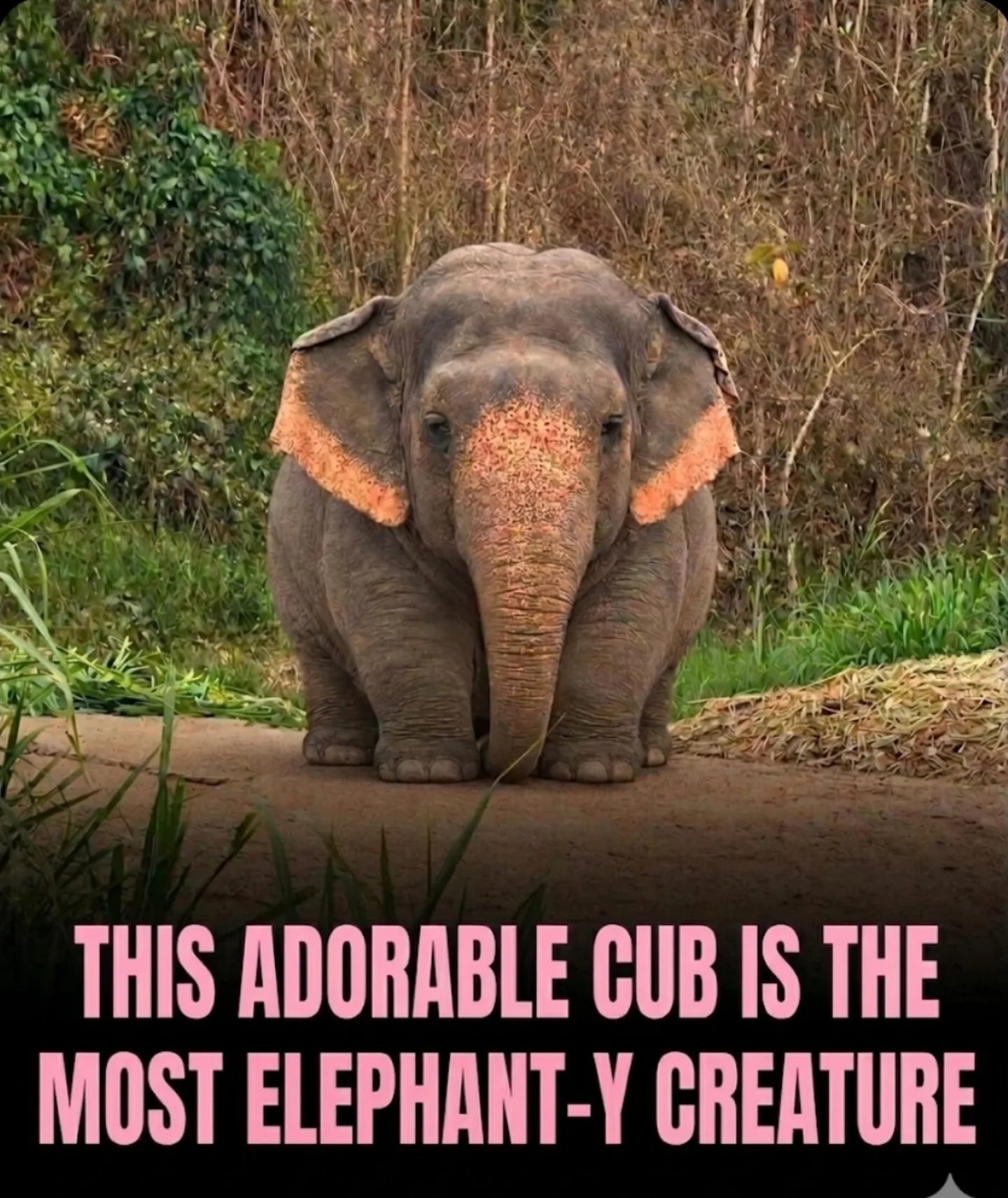
The Borneo Pygmy Elephant, the world's smallest elephant subspecies, is a fascinating creature found exclusively on the island of Borneo. These elephants are not only the smallest but also have a distinctive, rounded physique that sets them apart from their larger mainland relatives. Their unique characteristics make them a subject of great interest for wildlife enthusiasts and conservationists alike.
Why this matters
Understanding the Borneo Pygmy Elephant is crucial for several reasons. Firstly, their conservation status is critically endangered, with fewer than 1,500 individuals remaining in the wild. This makes any efforts to protect and preserve their habitat all the more important. Secondly, these elephants are a key part of the island's biodiversity and ecosystem. Their presence helps maintain the delicate balance of Borneo's forests, which are home to a vast array of plant and animal species.
Physical Characteristics
Compact Build
One of the most striking features of the Borneo Pygmy Elephant is its compact build. These elephants have exceptionally plump, rounded bodies supported by short, stout limbs. This body structure is a stark contrast to their larger cousins, giving them a more endearing and juvenile appearance. Their size, however, does not detract from their strength and agility. These elephants are well-adapted to their environment and can navigate the dense forests of Borneo with ease.
Distinctive Features
Beyond their compact size, Borneo Pygmy Elephants are identified by a few other distinctive features. They have disproportionately large ears and elongated tails that, in some instances, reach the ground. These features not only contribute to their unique appearance but also serve practical purposes. Their large ears help them regulate their body temperature in the hot, humid climate of Borneo, while their long tails aid in communication and social interactions within the herd.
Docile Nature
The docile nature of the Borneo Pygmy Elephant is another characteristic that sets them apart. Often described as having a "gentle" temperament, their appearance and behavior have frequently drawn comparisons to a more softened, juvenile version of the Asian elephant. This gentle nature makes them more approachable and less aggressive compared to other elephant subspecies.
Conservation Status and Threats
While the Borneo Pygmy Elephant's endearing appearance and docile nature make them a favorite among wildlife enthusiasts, their survival is under severe threat. Currently classified as critically endangered, this subspecies faces a multitude of challenges that threaten their existence.
Rapid Habitat Loss
One of the primary drivers of their decline is the rapid loss of habitat. The expansion of industrial agriculture has fragmented the herds, making it difficult for them to find sufficient foraging grounds. This fragmentation also disrupts their social structures and mating patterns, further complicating their survival.
Deforestation
In addition to habitat loss, ongoing logging activities continue to reduce the available foraging grounds essential for their survival. Deforestation not only destroys their natural habitat but also leads to human-wildlife conflicts as elephants venture into human settlements in search of food and water.
Conservation Efforts
Despite these challenges, there are ongoing efforts to protect and preserve the Borneo Pygmy Elephant. Various conservation organizations and local governments are working together to implement strategies aimed at mitigating the threats faced by these animals. Conservation efforts include reforestation projects, habitat protection, and community education programs aimed at reducing human-wildlife conflicts.
Practical Tips for Conservation
Support Conservation Organizations
One of the most effective ways to support the conservation of Borneo Pygmy Elephants is by contributing to organizations dedicated to their protection. These organizations often rely on donations and volunteers to carry out their critical work.
Reduce Deforestation
Reducing the demand for products that contribute to deforestation, such as palm oil, can also make a significant difference. Opting for sustainably sourced products and supporting companies that prioritize environmental conservation can help preserve the habitats of these elephants.
Raise Awareness
Raising awareness about the plight of the Borneo Pygmy Elephant is another crucial step. Sharing information about their unique characteristics and the challenges they face can inspire more people to take action and support conservation efforts.
Visit Responsibly
If you plan to visit Borneo, consider supporting eco-tourism initiatives that prioritize the well-being of the local wildlife and their habitats. Responsible tourism can provide economic incentives for conservation and help protect these unique animals.
Important Takeaways
The Borneo Pygmy Elephant is a remarkable creature with a unique set of characteristics that make it a vital part of Borneo's ecosystem. Their compact build, distinctive features, and docile nature set them apart from other elephant subspecies. However, their survival is threatened by habitat loss, deforestation, and human-wildlife conflicts. It is essential to support conservation efforts, reduce deforestation, raise awareness, and visit responsibly to ensure the future of these gentle giants.
Conclusion
The Borneo Pygmy Elephant's unique characteristics and conservation status make it a species worth protecting. Their compact build, distinctive features, and gentle nature are just a few of the reasons why they are beloved by wildlife enthusiasts worldwide. However, their survival is under threat, and it is up to us to take action. By supporting conservation efforts, reducing deforestation, raising awareness, and visiting responsibly, we can help ensure the future of this remarkable subspecies.
Watch the Reel
Questions readers ask
What makes the Borneo Pygmy Elephant different from other elephant subspecies?
The Borneo Pygmy Elephant is distinct due to its smaller size and rounded body shape. It also has large, rounded ears and an elongated tail, features that are not as pronounced in other elephant subspecies.
Why is the Borneo Pygmy Elephant considered critically endangered?
The Borneo Pygmy Elephant is classified as critically endangered due to its extremely small population, estimated to be fewer than 1,500 individuals. This is a result of habitat loss, poaching, and human-elephant conflict.
What role do Borneo Pygmy Elephants play in their ecosystem?
These elephants play a crucial role in maintaining Borneo's biodiversity. They help disperse seeds through their dung, which aids in forest regeneration, and their foraging habits help create clearings that benefit other plant and animal species.
What are the main threats to the Borneo Pygmy Elephant's habitat?
The primary threats to their habitat include deforestation for palm oil plantations, logging, and infrastructure development. These activities not only destroy their food sources but also fragment their habitats, making it difficult for them to move and find mates.
What conservation efforts are in place to protect the Borneo Pygmy Elephant?
Conservation efforts include habitat protection and restoration, anti-poaching patrols, and initiatives to mitigate human-elephant conflict. Additionally, organizations work on captive breeding programs and community engagement to raise awareness about the plight of these elephants.
How can I support Borneo Pygmy Elephant conservation efforts?
You can support these efforts by donating to reputable conservation organizations, spreading awareness about the plight of the Borneo Pygmy Elephant, and making sustainable choices that reduce demand for products linked to deforestation, such as palm oil. Additionally, you can participate in or organize local conservation activities.
What are some unique physical features of the Borneo Pygmy Elephant?
The Borneo Pygmy Elephant has several unique physical features, including a smaller size compared to other elephant subspecies, a rounded physique, large ears that help regulate body temperature, and an elongated tail which aids in swatting flies and other insects.
Related deep dives
Similar reads based on topic and creator.




Recent articles
Fresh deep dives from the latest Reels we unpacked.




Comments
Be the first to comment.