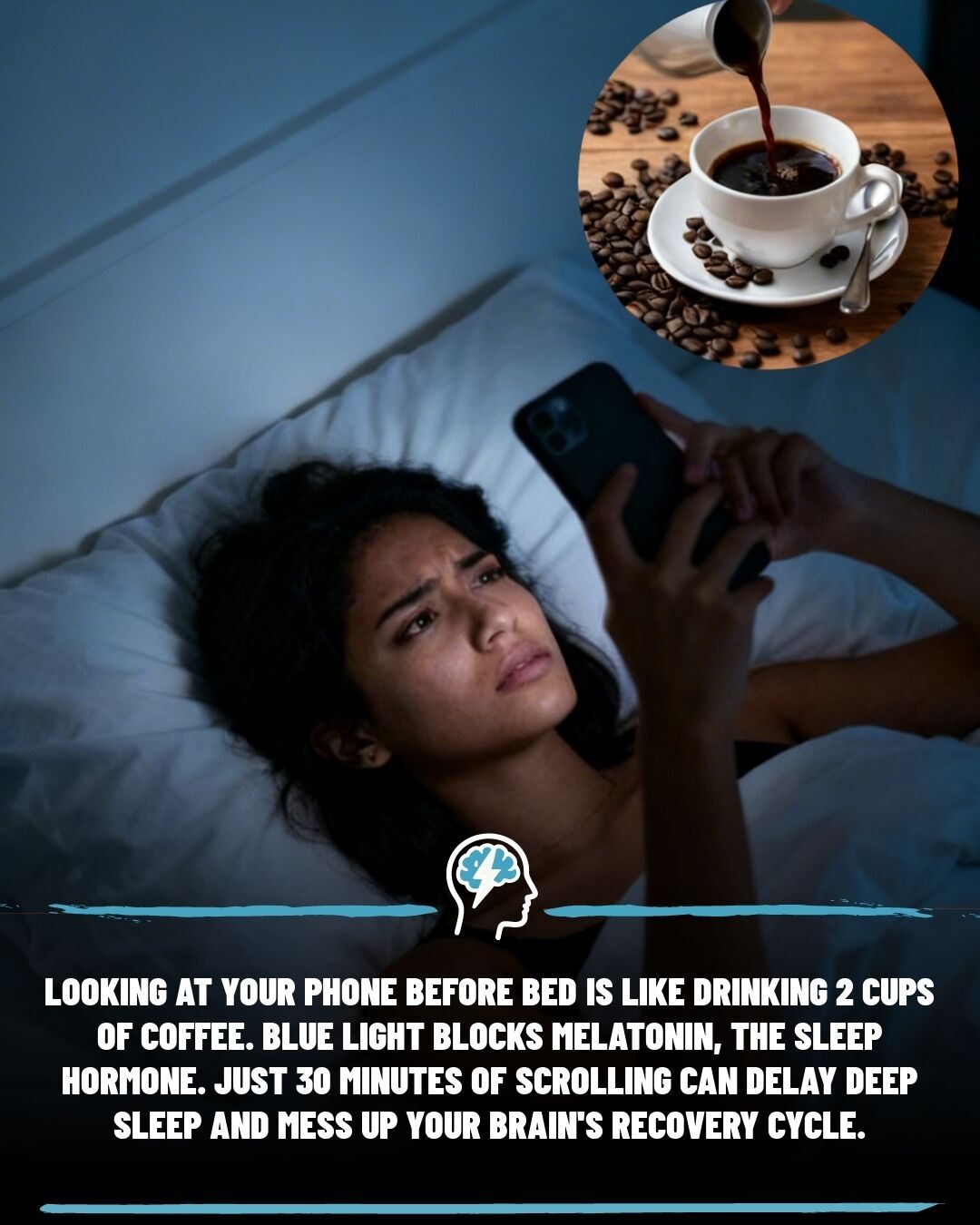
Blue Light and Sleep: The Impact of Nighttime Phone Use
Nighttime phone use can interfere with your sleep more than you think. Blue light emitted by phone screens can suppress melatonin, the hormone that regulates sleep. This disruption can lead to a cascade of effects, from delayed sleep onset to reduced sleep quality.
Why this matters
Understanding the impact of blue light on sleep is crucial for maintaining overall health and well-being. Adequate sleep is essential for cognitive function, emotional stability, and physical health. Disrupting this natural process can have far-reaching consequences, affecting everything from your mood to your metabolism.
The science behind blue light and sleep
How blue light affects your brain
Blue light, with wavelengths ranging from 460 to 500 nanometers, mimics natural sunlight. When your eyes detect this light at night, your brain can become confused, thinking it's still daytime. This misinterpretation delays the natural release of melatonin, the hormone that signals your body to prepare for sleep. As a result, your internal sleep clock is pushed back, making it harder to fall asleep and reducing the quality of your sleep.
The impact of blue light on melatonin
Research has shown that exposure to blue light before bed can significantly reduce melatonin levels. For instance, a study found that just two hours of blue light exposure before bed reduced melatonin levels by nearly 50%. This suppression of melatonin can lead to shorter sleep duration and a higher likelihood of experiencing insomnia symptoms.
The cumulative effects of screen time
The effects of nighttime screen use go beyond just the blue light. The content itself, such as social media feeds and notifications, keeps your brain mentally active when it should be winding down. This combination of biological and behavioral factors can make it harder to fall into deep, restorative sleep. Studies have linked screen time after bedtime to shorter sleep duration, with an average of 24 minutes lost per extra hour of scrolling. Moreover, increased nighttime screen use is associated with a 59% higher likelihood of experiencing insomnia symptoms.
Practical tips for better sleep hygiene
Limit screen time before bed
One of the most effective ways to mitigate the effects of blue light is to limit screen time before bed. Aim to put your phone away at least 30 minutes before you plan to sleep. This gives your brain time to produce melatonin and prepare for sleep.
Use blue light filters or night mode
If avoiding screens altogether feels impossible, using a blue light filter or night mode can help reduce exposure. Many modern devices come equipped with built-in features that adjust the screen's color temperature to emit warmer, less disruptive light. This can be a practical compromise if you need to use your phone near bedtime.
Create a relaxing bedtime routine
Establishing a relaxing bedtime routine can help signal to your brain that it's time to sleep. This might include activities like reading a book, taking a warm bath, or practicing relaxation exercises such as deep breathing or meditation. The key is to create a consistent routine that helps your brain and body wind down.
Important takeaways
Understanding the impact of blue light on sleep can help you make informed decisions about your nighttime habits. By being mindful of when and how you use your phone, you can support better sleep quality and overall health. Remember, your phone isn't the enemy, but being aware of its effects can help you wake up feeling more refreshed.
Conclusion
Blue light from phone screens can disrupt your sleep by suppressing melatonin and delaying your internal sleep clock. Limiting screen time before bed, using blue light filters, and establishing a relaxing bedtime routine can help mitigate these effects. By being mindful of your nighttime phone use, you can support better sleep quality and overall well-being. Your phone isn't the enemy, but being mindful of when you use it might help you wake up feeling more refreshed.
Watch the Reel
Questions readers ask
What is melatonin and how does blue light affect its production?
Melatonin is a hormone that regulates your sleep-wake cycle. Blue light, which is prominent in the light emitted by phone screens, can suppress melatonin production. This makes you feel more awake and alert, interfering with your ability to fall asleep and stay asleep.
How does nighttime phone use impact the quality of my sleep?
Nighttime phone use can reduce your overall sleep quality. The blue light from your phone can delay the onset of sleep and disrupt your sleep cycle, leading to less restful sleep. This can leave you feeling tired and less refreshed in the morning.
What are some strategies to reduce the impact of blue light before bed?
To minimize the impact of blue light on your sleep, consider using your phone's blue light filter or switching to night mode. You can also try setting a 'no phone' rule before bed, reading a physical book instead, or using a dimmer to reduce artificial light in your environment.
How long before bed should I avoid using my phone?
Experts recommend avoiding screens for at least an hour before bed. This gives your brain time to produce melatonin naturally, helping you fall asleep more easily. Creating a relaxing bedtime routine without screens can also improve your sleep quality.
Can using my phone in the dark make a difference in sleep disruption?
While using your phone in the dark might seem like a good idea, it can still disrupt your sleep. The blue light emitted by your phone can interfere with your brain's production of melatonin, making it harder for you to fall asleep, regardless of the surrounding light conditions.
What are the long-term effects of poor sleep quality due to nighttime phone use?
Chronic disruption of your sleep cycle can lead to various health issues, including cognitive impairment, mood disorders, and weakened immune function. Consistently poor sleep quality can also increase the risk of developing chronic conditions, such as diabetes, heart disease, and obesity.
Related deep dives
Similar reads based on topic and creator.




Recent articles
Fresh deep dives from the latest Reels we unpacked.




Comments
Be the first to comment.