Birds Flight Endurance: Insights into Natural Aviation
Birds have evolved remarkable flight abilities, with some species capable of staying airborne for extended periods. These adaptations, honed over millennia, allow certain birds to remain in the air for days, weeks, or even months. This extraordinary endurance is a testament to their efficient use of energy, gliding techniques, and ability to harness natural wind currents.
Why This Matters
Understanding the flight endurance of different bird species offers valuable insights into avian biology and the natural world. This knowledge can also inspire innovations in aeronautics and energy conservation. By studying how birds stay airborne for extended periods, scientists and engineers can gain inspiration for developing more efficient aircraft and renewable energy solutions.
Bird Flight Endurance: Comparative Analysis
Short-Flighted Species
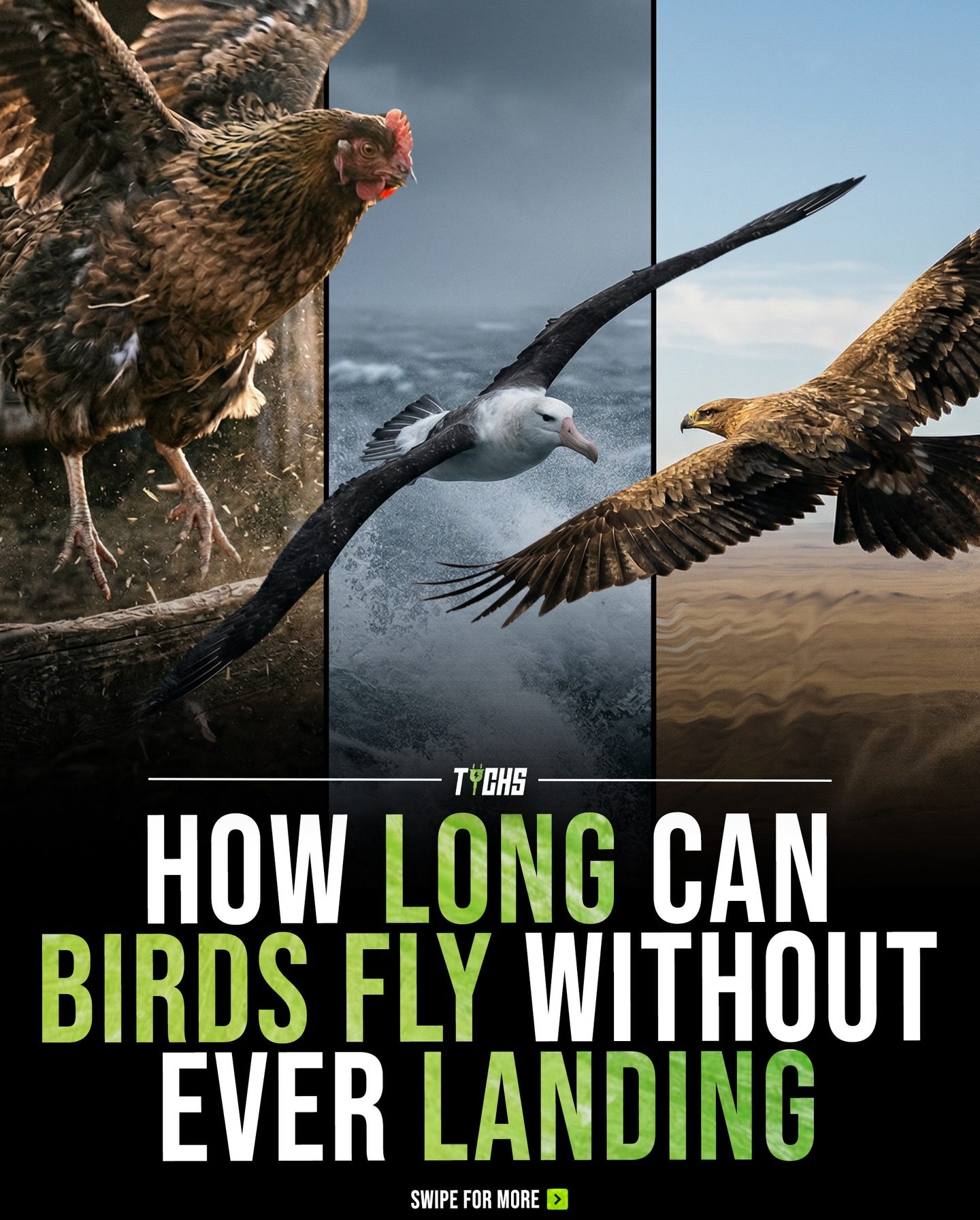
While many birds are known for their aerial prowess, some species have limited flight capabilities. Chickens, for instance, can only fly for brief periods, typically lasting just a few seconds. This is due to their heavier bodies and shorter wings, which make sustained flight challenging.
Hour-Long Flyers
Mid-range flyers, such as crows and pigeons, can stay airborne for several hours. Pigeons, in particular, are known for their endurance, capable of flying for up to 100 hours with the help of efficient gliding and wind currents.
Long-Distance Flyers
Larger bird species, such as the steppe eagle and the albatross, can remain airborne for days, sometimes even weeks. These birds have evolved to use thermal and ocean winds to conserve energy, allowing them to travel vast distances with minimal effort. The albatross, for example, can fly for up to 20 days without landing, thanks to its ability to dynamically soar on ocean winds.
The Extremes: Long-Term Flyers
The most extraordinary examples of flight endurance are found in species like the Common swift. These birds can stay in flight for up to 10 months, eating, sleeping, and living almost entirely in the air. This remarkable capability is made possible by their efficient use of energy and the ability to take advantage of wind currents.
Practical Tips for Bird Watchers
Observing Flight Patterns
For birdwatchers, understanding flight endurance can enhance the observation experience. Watching birds in flight can provide clues about their species and behavior. For example, observing how long a bird stays airborne and its flight path can help identify whether it's a short-flyer, hour-long flyer, or a long-distance flier.
Recording Flight Times
If you're interested in studying bird flight endurance, consider keeping a record of your observations. Logging the duration of flight, weather conditions, and the bird's behavior can provide valuable data. This information can help researchers better understand flight patterns and the environmental factors that influence them.
Important Takeaways
Birds' flight endurance is a fascinating area of study, showcasing the incredible adaptations and strategies that various species have evolved. Whether it's a chicken's brief flight or the albatross's 20-day journey, each species has unique mechanisms for staying airborne. Understanding these differences can provide insights into avian biology, inspire technological innovations, and enhance our appreciation of the natural world.
Conclusion
The flight endurance of birds is a remarkable testament to their evolutionary adaptations and natural instincts. From the brief flights of chickens to the prolonged journeys of the albatross, each species has developed unique strategies for staying airborne. By exploring these differences, we can gain a deeper appreciation for the natural world and the incredible capabilities of these remarkable creatures. Keep your eyes on the sky and appreciate the aerial ballet of birds, each with their unique flight story.
Watch the Reel
Questions readers ask
Which bird species can fly for days and what makes it possible?
Several bird species can fly for days, with notable examples including the albatross and frigatebird. These birds use a combination of efficient gliding techniques, dynamic soaring, and harnessing natural wind currents to stay airborne for extended periods without expending much energy.
How do birds like the albatross stay airborne for months?
Albatrosses stay airborne for months by using a technique called dynamic soaring, which involves gaining lift from wind gradients above the ocean waves. They also minimize flapping, allowing them to conserve energy and cover vast distances with minimal effort.
What can we learn from bird flight biology to improve aeronautics and energy solutions?
Studying bird flight biology reveals how these creatures optimize energy use, utilize natural resources, and maintain stability in the air. These insights can inspire the development of more efficient aircraft designs, renewable energy solutions and help in designing aerodynamic vehicles.
How does bird flight efficiency benefit renewable energy solutions?
Observing how birds glide and harness natural wind currents can inform the creation of more efficient wind turbines and other renewable energy technologies. By mimicking avian flight techniques, engineers can develop systems that maximize energy output while minimizing resource use.
What are some bird migration strategies that contribute to their flight endurance?
Some birds use migrant strategies such as taking advantage of favorable wind currents, flying at optimal altitudes, and forming efficient flight formations to reduce drag and conserve energy. These strategies enable them to cover thousands of miles during migration with remarkable efficiency.
How do birds' flight techniques inspire aeronautical engineering?
Birds' ability to glide, soar, and maneuver using minimal energy has inspired engineers to develop more efficient and sustainable aircraft. By studying avian flight aerodynamics, engineers can create designs that enhance aircraft performance and reduce fuel consumption.
What tips can we learn from birds to improve our own flight times?
While humans cannot fly like birds, we can learn from their techniques to improve our own flight times. For instance, using optimal routes, taking advantage of favorable wind conditions, and maintaining efficient gliding techniques can help extend flight durations and reduce energy expenditure.
Related deep dives
Similar reads based on topic and creator.




Recent articles
Fresh deep dives from the latest Reels we unpacked.




Comments
Be the first to comment.